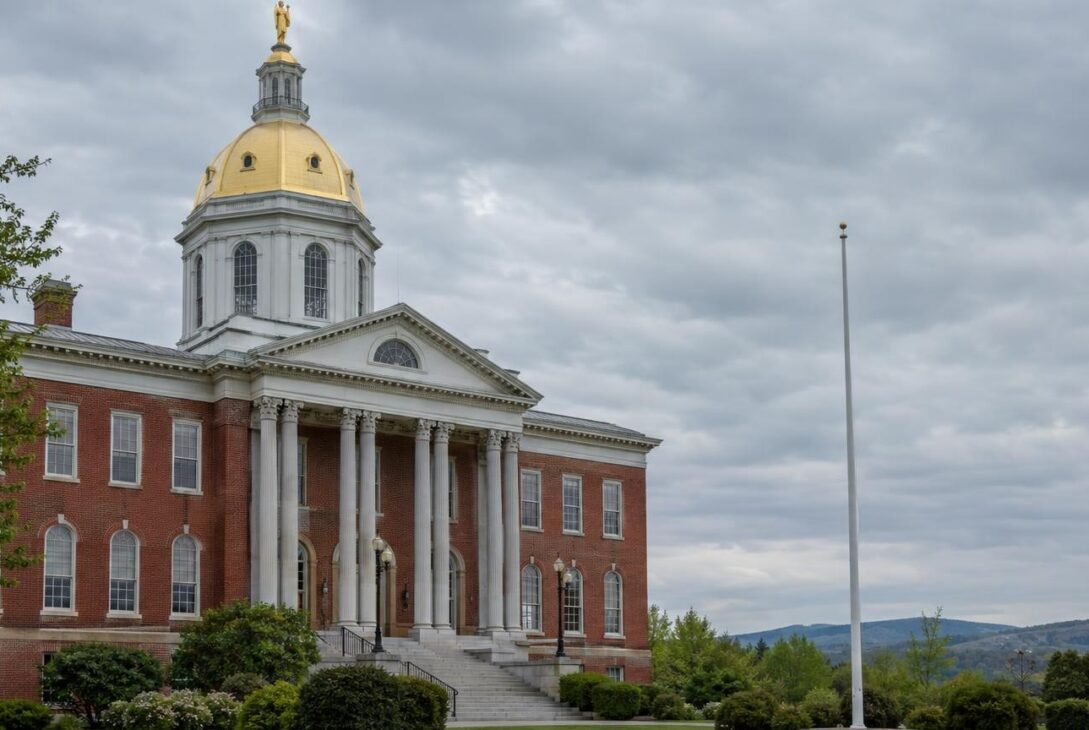
New Hampshire veto SB 468 greenhouse cannabis bill jolts growers and patients. Governor Ayotte vetoed the measure on June 12, 2026, citing regulatory and federal concerns. See the official veto message PDF and news coverage of the veto for details.
This article examines how the veto affects growers, dispensaries, patients, and state policy in the coming months, including offsite greenhouse cultivation and mixed light operations. It evaluates likely market and regulatory outcomes.
- Veto stands unless lawmakers secure a two thirds override in both chambers.
- Indoor cultivation costs remain high, delaying price reductions and supply expansion.
- Watch legislative calendars, DHHS rulemaking, licensing changes, and security guidance updates.
What is New Hampshire veto SB 468 greenhouse cannabis bill?
Bottom line: Governor Kelly Ayotte vetoed SB 468 and the veto stands unless lawmakers secure a two thirds override in both chambers; see the official veto message (PDF). Legislators may now pursue an SB 468 override or amend the bill to address regulatory concerns.
- Current legal effect: Veto stands, offsite greenhouse cultivation remains unauthorized and operators must follow existing indoor cultivation rules.
- Next steps and timeline: Lawmakers can attempt an override during the next session or introduce revised legislation; regulators will monitor and prepare draft rules should an override or new law pass. See the official bill status and text for updates and legislative actions.
Reasons Behind the Veto
Political rationale
Governor Kelly Ayotte vetoed SB 468, citing opposition to expanding marijuana cultivation within New Hampshire and policy caution. Her public message stressed avoiding rapid program expansion until lawmakers resolve safety, zoning, and community concerns through deliberation. Local coverage summarized the veto rationale and timeline in June 2026 with quotes from state officials and stakeholders.
Regulatory and legal concerns
The governor and some lawmakers raised federal prohibition concerns and legal uncertainty for operators under current statutes and enforcement. Officials asked for clearer rulemaking on offsite greenhouse licensing before permitting separate cultivation locations statewide and oversight mechanisms. See the official veto message for primary statements and legislative context.
Enforcement and inspection issues
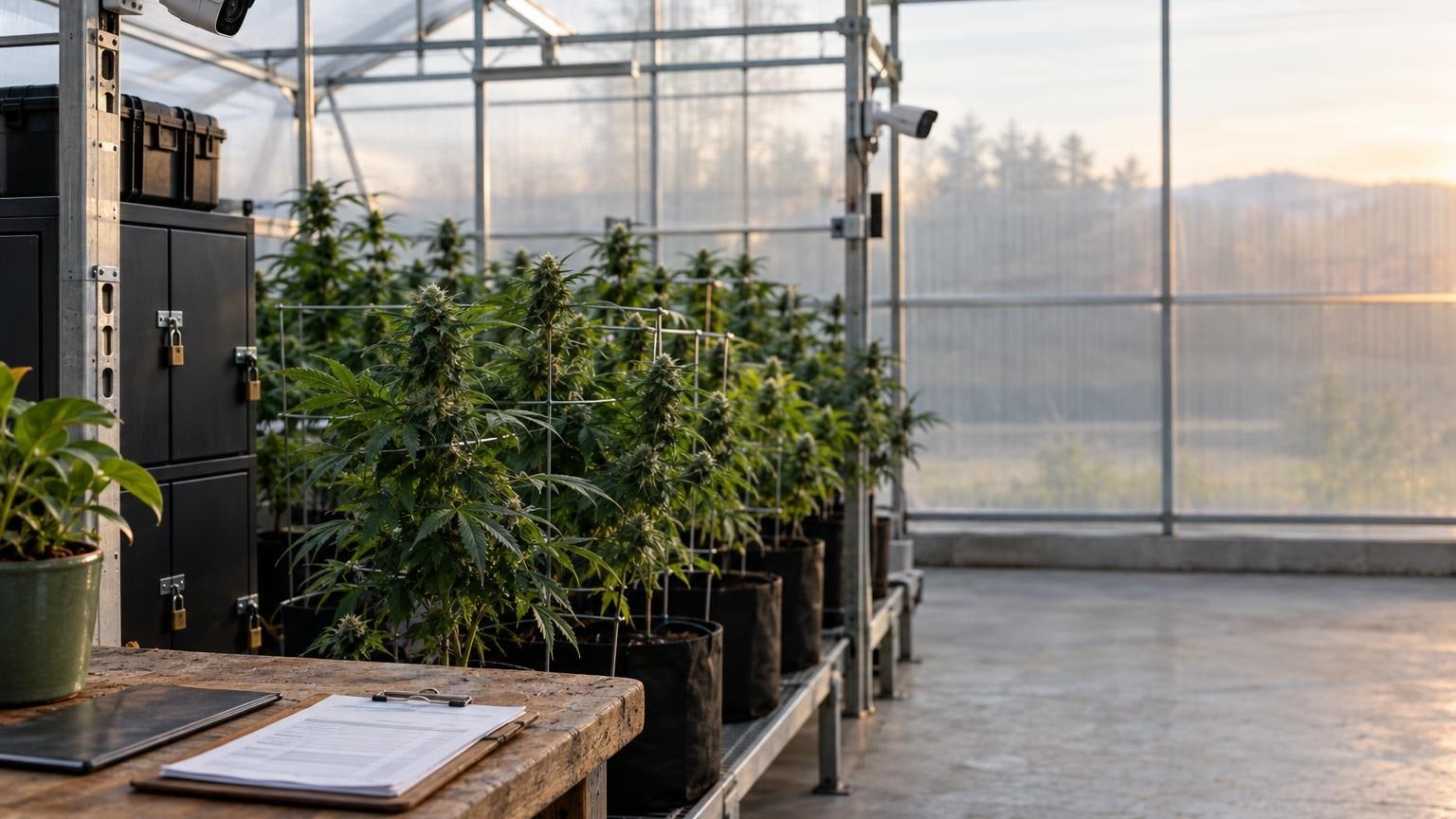
Regulators flagged inspection challenges and the need for revised security requirements for separate greenhouse sites including detailed security plan submissions. They warned transport and storage could increase transportation/diversion risk without strict controls and proven inspector access and raise compliance costs for operators. The veto’s practical effects on growers, dispensaries, and patients appear next in the Impact on Local Cannabis Industry section.
- Licensing complexity for separate greenhouse sites complicates inspection and oversight and requires detailed security plan submissions and clear inspector access
- Offsite security increases transportation/diversion risk during transport and storage without strict chain of custody controls
- Short term compliance costs may outweigh projected long term energy savings and burden small operators with higher compliance costs
- Federal law concerns could expose state operators to legal uncertainty and risk, prompting caution from regulators
Impact on Local Cannabis Industry
- Growers delay expansion plans because offsite greenhouse authorization remains blocked.
- Indoor cultivation continues, keeping energy and labor costs elevated for producers.
- Small operators risk losing competitiveness without capital for expensive indoor upgrades.
- Greenhouse builders face reduced near term contracts from medical operator projects.
- Energy consultants and mixed light designers see project pipelines slow or pause.
- Rural suppliers and service jobs will likely grow more slowly after veto.
- Wholesale prices may stay high without lower-cost greenhouse-grown product entering markets.
- Four alternative treatment centers and seven dispensaries must manage constrained supply under current rules.
- Registered qualifying patients total roughly 16,846, showing growing state demand for medical cannabis 2025 patient registry total.
These industry impacts will shape lawmakers decisions about licensing, security, and energy rules. Policymakers can use program context from the Therapeutic Cannabis Medical Oversight Board to calibrate oversight and potential reforms TCMOB 2025 annual report.
Potential outcomes
If SB 468 had passed, three main effects would follow: economic gains from lower production costs and new construction; significant regulatory work to create separate-site licensing and security rules; and downward pressure on patient prices. These patterns align with national public finance findings (marijuana liberalization and public finance analysis) and lifecycle energy research on indoor cultivation (indoor production lifecycle emissions study).
| Outcome Area | If SB 468 Passed | If Vetoed (Status Quo) |
|---|---|---|
| Economic | Lower production costs; new investment | Continued high indoor costs |
| Regulatory | New licensing and offsite security | Current indoor oversight |
| Energy | Lower lighting energy; lower emissions | High energy use |
| Patients | Lower wholesale prices; more variety | Prices steady; less variety |
| Jobs | Greenhouse construction and suppliers | Fewer new jobs |
| Investment timeline | Faster capital deployment | Investors pause |
Overall these outcomes would shorten payback periods and accelerate projects for growers and suppliers. Lawmakers would need to act on licensing and security rules quickly or consider an override to unlock investment.
Sources: marijuana liberalization and public finance analysis, indoor production lifecycle emissions study.
Conclusion
The New Hampshire veto SB 468 greenhouse cannabis bill halted plans to let medical operators run offsite greenhouses. Governor Kelly Ayotte cited political and regulatory concerns, and opponents warned of security and federal conflicts. Supporters said greenhouses would lower energy use and reduce patient prices, but the veto preserves indoor cultivation rules.
As a result, growers and greenhouse vendors face delayed investments and uncertain timelines. However, lawmakers may pursue a two thirds override, so the policy debate remains active. Therefore, stakeholders should monitor legislative sessions and regulatory guidance closely.
Looking forward, the state needs clearer rules that balance patient access, safety, and market growth. Policymakers can craft standards for offsite greenhouse security, licensing, and energy efficiency to protect patients and encourage investment. In short, the veto pauses change but not the conversation. Continued legislative attention will shape New Hampshire’s medical cannabis future. Stakeholders should stay engaged and prepare for either outcome.
Frequently Asked Questions (FAQs)
What exactly is the New Hampshire veto SB 468 greenhouse cannabis bill?
The New Hampshire veto SB 468 greenhouse cannabis bill refers to Governor Kelly Ayotte’s rejection of legislation that would let medical cannabis businesses operate greenhouses at separate sites. The veto stops the change unless lawmakers achieve a two thirds override in both chambers.
How does the veto affect local growers?
Growers face delayed expansion and must keep using indoor cultivation. As a result, they continue to shoulder higher energy and labor costs. Smaller operators may postpone capital projects and lose potential efficiency gains from greenhouse methods.
Could lawmakers override the veto and what would that mean?
Yes lawmakers can override with a two thirds vote in both chambers. If they succeed, offsite greenhouse licensing would proceed, prompting new rules, inspections, and potential investment in greenhouse construction and related services.
Will patient prices and product variety change because of the veto?
The veto likely keeps wholesale costs higher and slows product variety growth. Therefore patients may see slower price reductions and less new strain availability until wider cultivation methods become permitted or markets expand.
What should growers and patients do now to prepare?
Stay informed and engage with lawmakers and regulators. Monitor session calendars and public rulemaking. Meanwhile operators should review indoor efficiency upgrades, and patients should track dispensary announcements for supply or price updates.
Related on CBD Advisor
- Will Wanda James congressional bid and cannabis legalization pass
- Is Cannabis microdosing and medical cannabis program growth accelerating
- State cannabis legislation updates: NH, SD, MS—What’s next