A bad batch can ruin a night, cause stomach upset, or deliver weak effects. This guide explains how to choose quality kava so you avoid low-potency or contaminated products. Because kava comes from many islands, quality and safety vary widely.
It covers sourcing, what tests to look for, extract types and dosing tips. Therefore, readers will get clear steps and a short checklist to pick safe, potent kava.
What Is Kava?
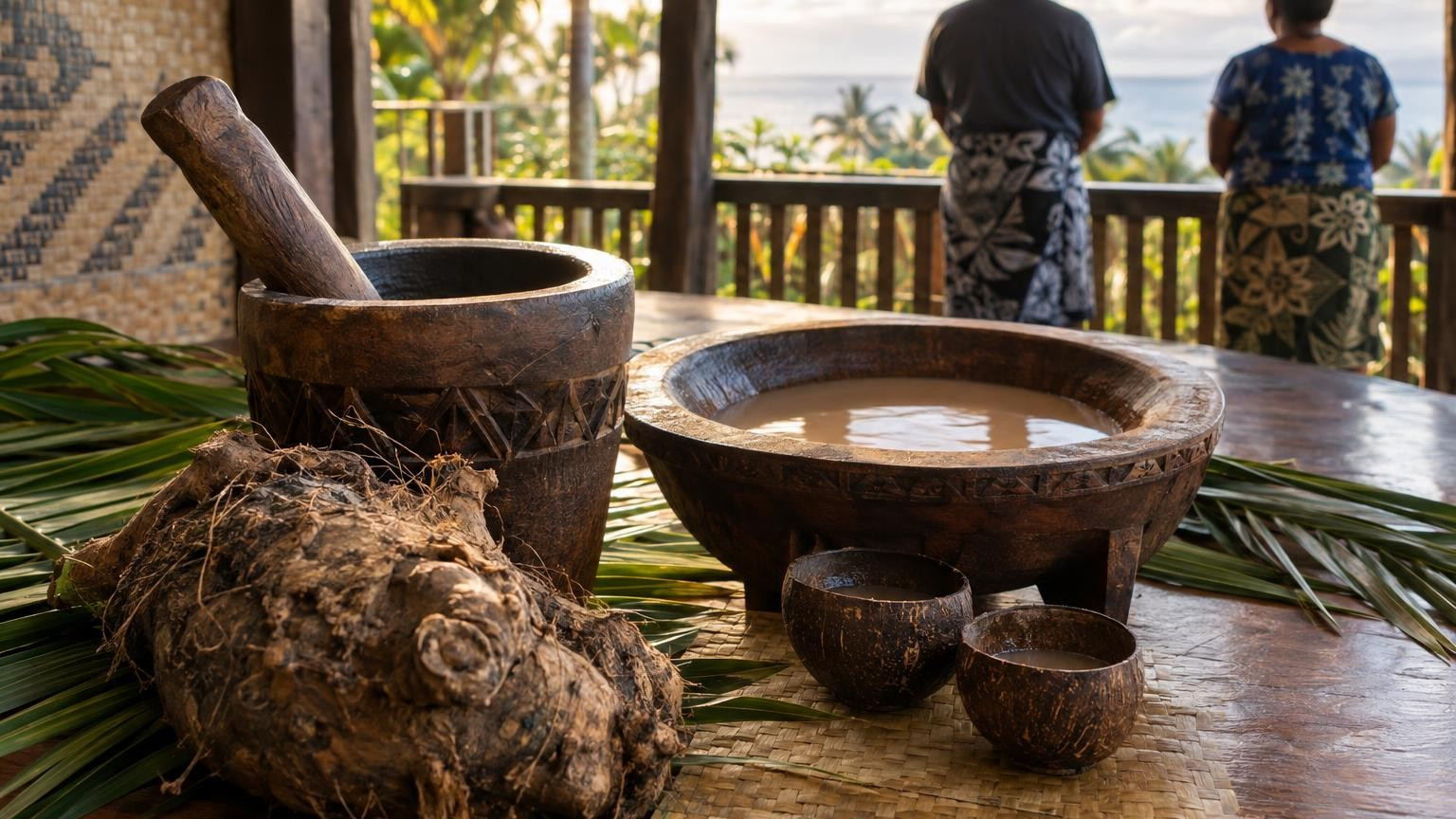
Kava is a traditional Pacific Island drink made from the root of Piper methysticum. It is used for relaxation and social rituals across Fiji, Vanuatu and Tonga. Because roots, cultivars and preparation methods differ, potency and safety vary widely; choosing the right product matters.
How Does Kava Work?
Understanding how kava works helps when learning how to choose quality kava:
- Kavalactones, the primary active compounds
- GABA receptor modulation, calming pathways
- Sodium and calcium channel effects, mild muscle relaxation
- Monoamine oxidase interactions, subtle mood influence
- Preparation-dependent absorption, potency varies
Kavalactones bind to neurotransmitter systems and alter neural signaling, so effects are calming and anxiolytic. For example, modulation of GABA pathways reduces anxiety, and ion channel effects ease muscle tension. However, because liver concerns exist for some extracts, testing and clear sourcing are important. Therefore, understanding these mechanisms helps people compare extract types and pick safer, effective kava.
What Are the Benefits of Kava?
Kava is widely used for relaxation, social calm and easing mild anxiety. Because its active kavalactones interact with brain chemistry, many users report reduced stress without sedation. Relaxation and anxiety relief are the most commonly cited benefits.
Common benefits include:
- Social relaxation, easier conversation
- Reduced situational anxiety, calmer mood
- Mild muscle relaxation and tension relief
- Improved sleep onset for some users
Clinical and government reviews note some benefits for anxiety, but evidence varies by extract type and study design. For example, the National Center for Complementary and Integrative Health summarizes mixed results and advises caution because of rare liver risks (NCCIH review of kava).
Why Quality Matters for Kava Effects
Quality strongly affects both safety and results, so learning how to choose quality kava matters. Because kava products differ by cultivar, root part and solvent, potency and contaminant risk change dramatically. Therefore, low-quality products can be weak or contaminated, and effects will be unpredictable.
Look for clear sourcing, aqueous root-only extracts, and third-party testing for kavalactone profile and contaminants. However, manufacturers that use stem or leaf, or solvent extracts, raise safety concerns.
The LiverTox clinical review details reported liver injuries and links them to variable preparations and contaminants (LiverTox review of kava). As a result, choosing well-documented kava maximizes chances of the calming benefits while reducing avoidable risks.
Kava Product Types Compared
Because kavalactone profile and preparation vary, the table below compares common kava forms, onset and duration, typical uses and quality flags to help with how to choose quality kava: NCCIH kava overview, Nutrients review of kava products, LiverTox kava review
| Product Form | Onset & Duration | Typical Use Cases | Quality Indicators |
|---|---|---|---|
| Powder (traditional root) | 10–30 min onset; 2–5 hr duration | Ceremonial use; home prep; shared social sessions | Noble cultivars; root-only; batch COA |
| Capsules | 30–90 min onset; 4–8 hr duration | Standardized dosing for anxiety or sleep | COA showing kavalactones per serving; root-only |
| Tincture (liquid extract) | 15–45 min onset; 2–4 hr duration | Fast microdosing; travel-friendly dosing | COA for solvent residues; prefer aqueous extracts |
| Instant Mix (reconstituted) | 10–20 min onset; 1.5–3.5 hr duration | Convenience; quick social use; travel | Transparent sourcing; root-only; lab-tested mix |
Is Kava Safe?
Kava can be safe for many adults when taken short term and from root-only, water-based preparations. However, rare but serious liver injury has been reported.
When deciding how to choose quality kava, pick root-only products with third-party testing and no solvent residues. For safety, avoid mixing kava with alcohol or sedatives, and consult a clinician if liver disease exists.
The NIH LiverTox review documents reported hepatotoxicity cases and links risk to variable preparations and contaminants (LiverTox review). The FDA also warns that kava is not generally recognized as safe for foods and highlights evidence gaps (FDA scientific memorandum). The NCCIH advises caution and suggests avoiding kava during pregnancy and breastfeeding (NCCIH kava).
Is Kava Legal in the U.S.?
Yes. Kava is legal and is not a federally controlled substance. It is sold as a dietary supplement, not as a controlled drug.
However, regulatory status varies by use. The FDA treats kava as an unapproved food additive in conventional foods, while supplements remain subject to dietary supplement rules. Local health departments and some states may limit kava in food service or require labeling. Therefore, buyers should check local rules before purchasing or serving kava.
Is How to Choose Quality Kava Worth Trying?
Learning how to choose quality kava is worth the time for anyone who wants consistent, safe effects because poor sourcing or solvent extracts can change results and raise risks.
Therefore, simple checks pay off: look for third-party testing, root-only ingredients, aqueous extraction and a clear kavalactone profile on a COA.
However, casual users who try kava rarely can still enjoy it by buying small amounts and checking these basic flags before committing to larger purchases.
Final Thoughts
Quality is the single biggest factor that separates pleasant kava experiences from unpredictable or risky ones, and buying well-documented root-only products reduces avoidable harm.
Therefore, the next practical step is to insist on a certificate of analysis and transparent sourcing before buying. Ultimately, start low, observe how your body responds, and consult a clinician if you have liver concerns or take other sedatives.
Related on CBD Advisor
- Hemp THC Product Regulations: What It Means for CBD Businesses
- Doubling THC Dose Doesn’t Double the High Explained: How It Works
- Can medical cannabis utility in healthcare transform patient care