

Banks often avoid cannabis customers because federal law still classifies marijuana as illegal. As a result, many businesses run cash-only operations that raise safety and tax headaches. The proposed cannabis banking bill would protect banks that serve legal cannabis, hemp and CBD firms.
This article explains what the cannabis banking bill is and how it affects banking access for hemp, CBD and marijuana businesses. It will give you clear takeaways on who benefits and what practical changes to expect.
What Is the Cannabis Banking Bill?
The cannabis banking bill is the latest federal effort to let banks serve state-legal cannabis, hemp and CBD businesses without federal penalty. It proposes statutory protections so financial institutions can open accounts, process payments and report activity for licensed cannabis firms. See the Senate bill text for details: Senate Bill Text.
How Does the Cannabis Banking Bill Work?
Key mechanisms in the bill include:
- Clarifies legal risk for banks
- Protects deposits from seizure
- Adjusts anti-money-laundering rules
- Requires reporting standards
- Preserves federal prohibitions
The law would create a legal framework that reduces uncertainty for banks. For example, the bill narrows enforcement risk and prevents regulators from treating routine cannabis accounts as illicit, which encourages mainstream banking services. The legislation also sets clear reporting and recordkeeping rules for institutions and businesses, so transactions remain transparent to regulators while staying compliant.
Congressional backing has grown because governors and other officials argue this will improve public safety and tax compliance. For reporting and program language, consult the bill text and recent coverage of the governors’ letter: Governors’ Letter Coverage.
What Are the Challenges for Cannabis Banking?
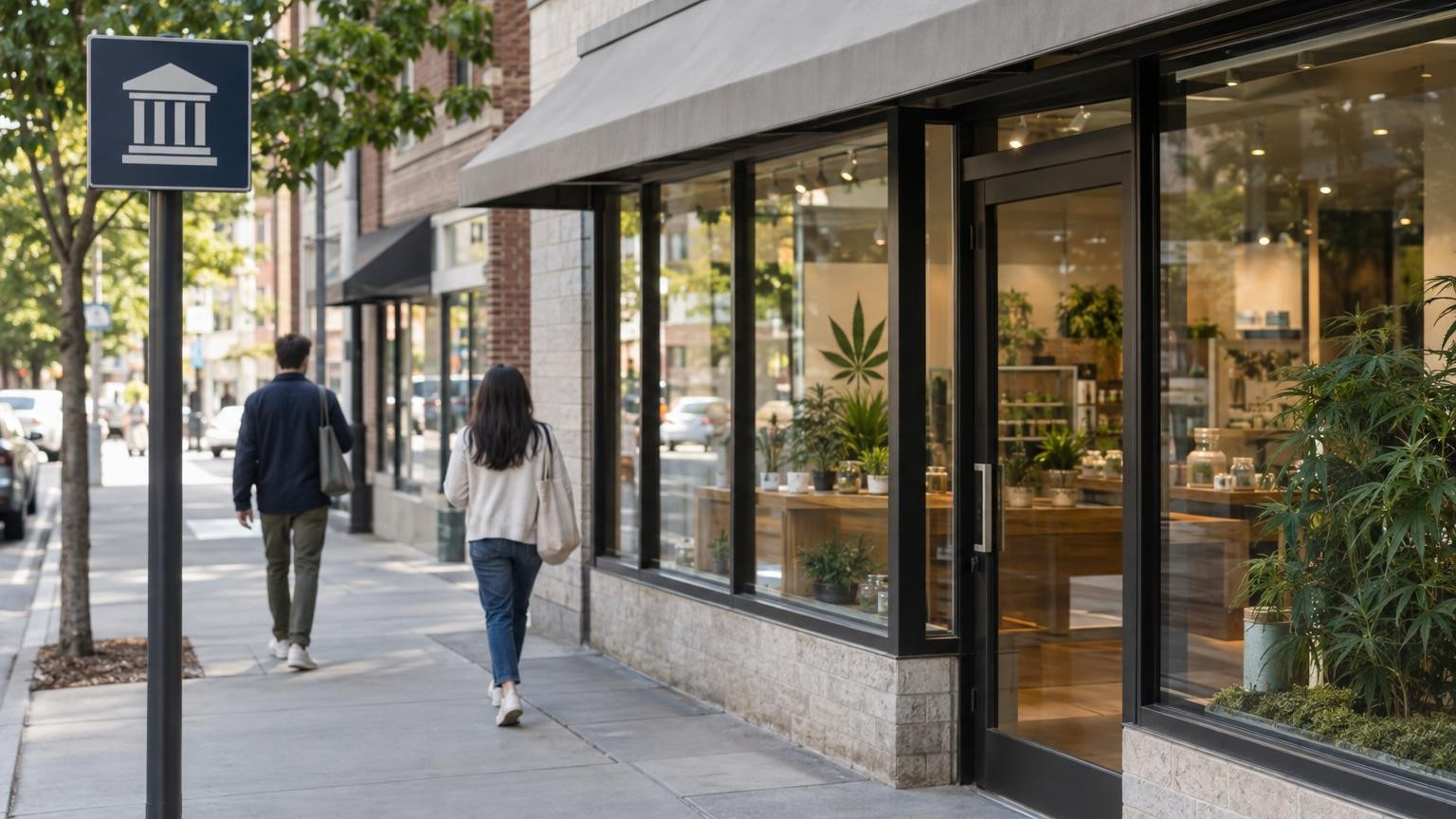
Banks face unclear legal risk, heavy compliance costs and intense scrutiny when serving state-legal cannabis firms. As a result, many businesses resort to cash-only operations, which raise operational burdens. FinCEN’s guidance requires risk-based due diligence and suspicious-activity reporting, but it does not remove federal prosecution risk for plant-touching businesses, so banks still proceed cautiously: FinCEN Guidance.
State-legal cannabis companies also see account closures, high fees and limited lending. The federal Government Accountability Office found continuing access problems, plus safety and logistical burdens from cash transport and deposits. Therefore, many operators pay for armored transport or travel far to bank deposits, increasing costs and risk: GAO Report.
Why Does Access to Banking Matter for Cannabis Businesses?
Access to banking matters because it improves safety, transparency and financial stability for businesses and consumers. For example, bank accounts create audit trails and enable tax reporting, which supports regulators and law enforcement. The American Bankers Association argues mainstream banking reduces cash-driven crime and improves oversight, which benefits public safety and tax compliance: ABA Article.
Moreover, reliable banking lowers operating costs and helps businesses obtain loans, payroll services and payment processing. As a result, companies can invest in compliance, quality testing and consumer protections. A federal cannabis banking bill would therefore not only ease daily operations, but also strengthen market transparency and public safety.
Cannabis Banking Options Compared
Overall, the table below compares common banking options and how the proposed cannabis banking bill could shift access and reduce cash only operations:
| Banking Option | Accessibility Before Bill | Accessibility After Bill | Compliance Complexity |
|---|---|---|---|
| Traditional banks | Very limited, many large banks declined accounts | Improved, statutory safe harbor encourages account openings | High before, remains moderate with reporting requirements |
| Credit unions | Limited, selective service by community institutions | Better, more credit unions likely to offer accounts | Moderate, community focused compliance burden |
| Fintech and payment processors | Restricted, processors often block cannabis payments | Expanded, chartered fintechs can offer compliant services | Moderate, licensing and AML oversight required |
| Cash handling and transport | Universal but risky, common due to lack of banking | Reduced reliance, still used where access lags | Very high, costly and safety risk |
What Are the Risks for Cannabis Banking?
Financial services for legal cannabis carry persistent legal and operational dangers. Banks and credit unions face regulatory uncertainty because marijuana remains controlled under federal law.
As a result, institutions may still face enforcement, asset seizure or supervisory action despite statutory safe harbors described by Congress and analysts.
The Government Accountability Office notes ongoing access problems and possible collateral seizure and costly suspicious-activity reporting burdens: source.
Other risks include sudden account closures, reputational exposure and high compliance costs. For example, firms must maintain robust customer due diligence and transaction monitoring. If regulators change guidance or enforcement priorities, banks can restrict services quickly. Legal analyses describe these protections as a statutory safe harbor rather than full legalization, which preserves some residual risk: source.
How Long Does Legal Cannabis Banking Access Last?
Duration depends on the bill’s text and ongoing lawmaking. The current Senate text creates a standing safe harbor without a scheduled sunset. Therefore, protections operate until Congress amends or repeals them: source.
However, access also depends on compliance. Institutions must meet reporting, AML and state-licensing conditions to keep services. In short, statutory access can be long lasting, but it remains conditional and subject to legislative or regulatory change.
Is the Cannabis Banking Bill Worth Following?
The cannabis banking bill offers clear benefits for industry stakeholders, consumers and regulators, yet it is not a cure-all. It reduces cash handling, strengthens tax reporting and can improve public safety by moving transactions into traceable channels.
However, banks will still face compliance costs and some legal uncertainty, so access may vary by region and institution. For that reason, businesses and policymakers should monitor progress and prepare for staged changes. Tracking details matters.
Final Thoughts
Staying informed about the cannabis banking bill helps operators, banks and regulators prepare for likely changes in payments, deposits and oversight. Therefore, businesses should revisit cash-handling policies, verify licenses, and discuss recordkeeping and AML expectations with their banks.
As a practical next step, flag regulatory updates, train staff on new reporting duties and consult a qualified banking compliance advisor before switching accounts.
Related on CBD Advisor
- Why cannabis policy became a key campaign battleground
- Are you following Cannabis regulation and consumer education rules
- How will the SAFE Banking Act change cannabis banking