Introduction
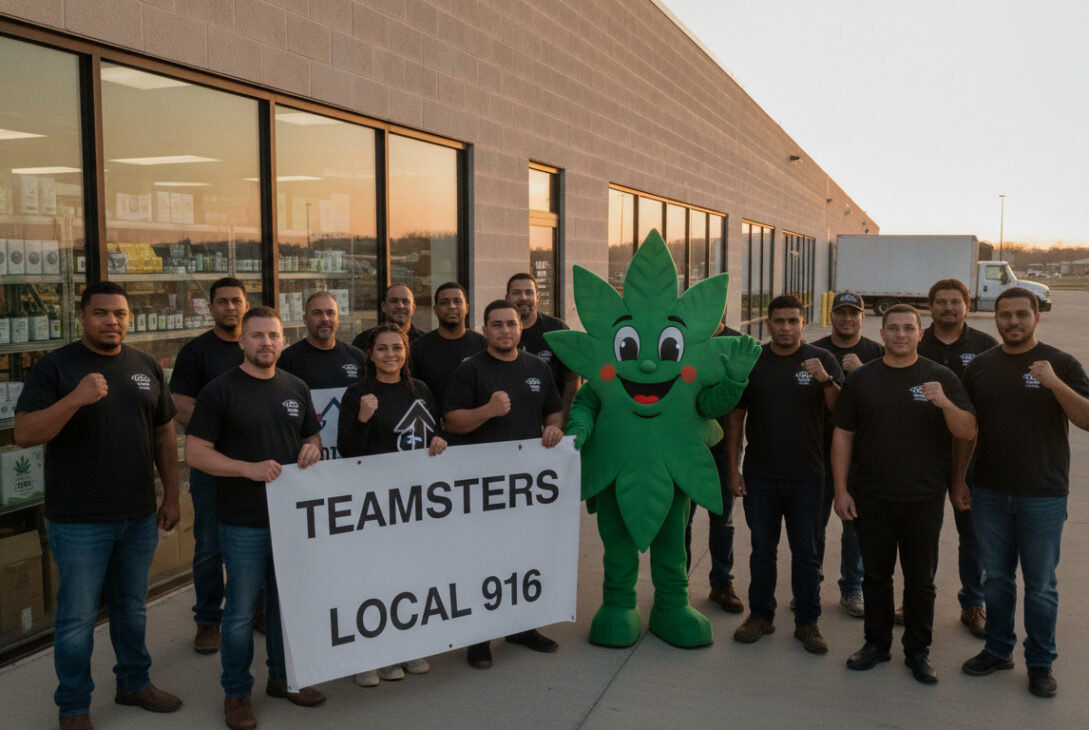
Ascend Wellness Barry strike authorization was approved by workers on June 8, 2026 by a 92% margin and gives employees crucial leverage while raising community stakes for access and industry labor standards. The vote and union announcement were led by Teamsters Local 916 (see Teamsters Local 916), PR Newswire, and Reuters report.
Represented by Teamsters Local 916 in Barry, Illinois, workers voted overwhelmingly after more than a year of stalled bargaining to press for a first contract covering fair wages, affordable health care, and stronger workplace protections. They are seeking stable schedules and benefits to improve staffing continuity and patient service.
Workers allege management used delay tactics, retained anti-union lawyers, and targeted a bargaining committee member. These actions increased frustration at the table and added urgency to contract talks.
What is Ascend Wellness Barry strike authorization?
Ascend Wellness Barry strike authorization is the workers’ vote in Barry, Illinois, to approve a strike while seeking a first contract represented by Teamsters Local 916 source. It functions as bargaining leverage: the vote passed 92% on June 8, 2026, strengthening the union’s negotiating position source.
Ascend Wellness Barry strike authorization process
A strike authorization is an internal union vote that gives leaders leverage during first contract bargaining under the National Labor Relations Act. Federal worker rights overview explains protections for concerted activity and member voting procedures: Federal worker rights overview. The NLRB also provides specific strike guidance and lawful strike distinctions: NLRB strike guidance.
Eligibility and who can vote
- Certified bargaining unit members only. Must be on payroll at vote time.
- Union bylaws may add additional eligibility rules and procedures.
Required documents:
- Notice to members and meeting agenda with clear voting instructions and dates.
- Signed membership rosters listing eligible voters with current payroll status.
- Secret ballots and neutral observers to ensure fair vote counting.
- Certified tally records and meeting minutes documenting the vote results.
- Bargaining proposals, correspondence, detailed counteroffers, plus employer written responses and dates.
- Witness statements detailing alleged unfair practices or bargaining misconduct with dates.
- Evidence logs for schedules, staffing counts, and health benefit gaps.
- NLRB filings or correspondence if charges were filed or threatened.
Common timelines:
- Planning and notice: 1 to 8 weeks, gather documents and notify membership.
- Membership vote: 1 to 7 days, hold secret ballots and certify results.
- Post-vote actions: 1 to 4 weeks, notify employer and ramp up bargaining strategy.
- Legal filings: days to months, prepare ULP evidence and coordinate counsel and filings.
Mobile-friendly timeline
Planning and notice typically lasts one to eight weeks depending on urgency.
- Required documents: notice, agenda, membership roster, draft ballots, and observers.
- Pitfall: Late or unclear notice can invalidate procedures or suppress turnout.
Membership vote usually completes within one week when organized properly.
- Required documents: secret ballots, certified tally sheet, meeting minutes, and observers.
- Pitfall: Disputed procedures or absent observers can trigger challenges.
Post-vote actions focus on certification, employer notification, and bargaining follow up.
- Required documents: certified results, member communications, bargaining proposals, and timelines.
- Pitfall: Poor communication after a vote weakens leverage and member trust.
Legal actions and ULP filings proceed if retaliation occurs or bargaining stalls.
- Required documents: complaint forms, evidence packets, witness statements, and counsel coordination.
- Pitfall: Missing filing deadlines or weak documentation can limit remedies.
How authorization strengthens bargaining and patient access
Authorization gives workers meaningful bargaining leverage that leaders can use to press for higher wages, predictable schedules, and stronger workplace protections. Those gains can improve staffing stability and reduce turnover, supporting patient continuity and service quality.
Key effects and benefits
- Authorization raises employer urgency at the table, increasing the chance of concrete concessions such as schedule predictability and improved benefits.
- Better staffing and lower turnover translate to consistent dispensary coverage and improved patient counseling.
- Stronger workplace protections enhance product handling, safety, and overall quality control.
A Teamsters representative said, “This authorization isn’t about striking for the sake of it; it is about making sure our members have predictable schedules and health care so patients get steady access. A strong yes vote shows management we are serious and ready to negotiate in good faith.”
Potential short-term risks
- Temporary retail closures or reduced hours during high tension bargaining.
- Scheduling gaps that create short staffing on some shifts.
- Supply chain delays that affect product availability and inventory restocking.
Consistent access matters for patients, according to the National Academies review on cannabis health effects. Research also links dispensary access to reduced opioid prescriptions, underscoring public health stakes: study on dispensary access and opioid prescriptions.

Steps to Obtain Ascend Wellness Barry Strike Authorization
Use this checklist to guide a lawful, organized authorization process at Ascend Wellness Barry. Because clear steps reduce legal risk and boost turnout, follow union bylaws closely.
- Confirm the certified bargaining unit and voter eligibility with Teamsters Local 916.
- Draft a clear notice and distribute it with dates, times, and voting procedures.
- Collect signed membership rosters and prepare ballots, ensuring secret and fair voting.
- Hold the vote under union rules with observers and neutral ballot counting.
- Certify and document results immediately, then notify members and the employer.
- File unfair labor practice evidence with the NLRB if management retaliates.
- Use authorization leverage to push bargaining, but call a strike only after votes.
Moreover, maintain clear records and member communication to avoid disputes. Therefore meticulous documentation strengthens legal protections and increases bargaining power.
Also, record staffing counts, shift schedules, and health benefit gaps as supporting evidence. Finally, engage legal counsel and the union to verify compliance and meet timelines.
Legal Aspects and Patient Rights
Federal labor law protects most collective activity and provides remedies through the NLRB. The board explains strike rights and distinguishes different striker categories. NLRB strike guidance
Plain-language striker summary
Economic strikers leave to demand better pay, hours, or other economic terms. Employers may permanently replace economic strikers while the strike continues. Unfair labor practice strikers walk out to protest employer violations of labor law. They generally receive immediate reinstatement once the unlawful activity ends.
Key employer obligations and worker rights
- Do not interfere with or retaliate against protected concerted activity. See guidance on employer interference. NLRB rights overview
- Workers may file unfair labor practice charges; any person can file a charge.
- If the NLRB finds merit, the board can seek remedies and bargaining orders.
NLRB filing timelines
- File an unfair labor practice charge with the NLRB within six months (180 days) of the incident. NLRB guidance
- File charges at the appropriate regional office promptly to preserve remedies.
- For quick guidance, contact an NLRB information officer or counsel for next steps.
Patient protections under Illinois law
Illinois protects registered medical cannabis patients and maintains registry confidentiality. Report access issues to the Illinois Department of Public Health with clear documentation. IDPH medical cannabis
What patients should do now
- Document dates, times, missed medicine pickups, and staff contacts; save all related receipts. Then file an online complaint with IDPH at the link above.
- Contact your dispensary and your union or clinic for immediate help and written confirmation.
Sample complaint message
“Dispensary closure prevented medication access on 2026; please investigate and assist.”
Practical steps and remedies
Report suspected employer retaliation to the NLRB quickly because timelines matter. Notify IDPH about patient access issues and keep all supporting records for review.
CONCLUSION
Ascend Wellness Barry strike authorization empowered workers to press for a first contract covering wages, health care, and protections. Because the vote passed by a large margin, union leaders now hold stronger bargaining leverage. Therefore, authorization serves as a strategic step, not an immediate strike.
The process requires clear notices, certified ballots, and documented evidence if unfair labor practices arise. Moreover, following union bylaws and NLRB rules reduces legal risk and strengthens members’ position. As a result, patients benefit from more stable staffing and consistent access to treatment.
For next steps consult union representatives and legal counsel, and monitor bargaining updates closely. For additional resources and guidance visit myCBDadvisor.
Frequently Asked Questions (FAQs)
What is Ascend Wellness Barry strike authorization?
Ascend Wellness Barry strike authorization is the union vote that allows leaders to call a strike if needed. It signals strong worker resolve and gives bargaining leverage. Therefore it helps the union press for wages, benefits, and protections.
Who could vote in the Ascend Wellness Barry strike authorization?
Only members of the certified bargaining unit could vote. They had to be on the payroll at the time of the vote. Also, the union followed its bylaws to confirm eligibility.
What happens after Ascend Wellness Barry strike authorization passes?
Union leaders may resume bargaining using the authorization as leverage. However, a yes vote does not automatically start a strike. If managers retaliate, workers can file unfair labor practice charges with the NLRB.
How might Ascend Wellness Barry strike authorization affect patients and store operations?
Authorization can speed negotiations that stabilize staffing and hours. As a result, patients may see fewer sudden closures and more consistent service. However, short disruptions remain possible during high-tension bargaining.
How can workers or patients raise legal or access concerns about Ascend Wellness Barry strike authorization?
Workers should contact Teamsters Local 916 and file NLRB charges if needed. Patients can document disruptions and notify Illinois regulators. In addition, seeking legal counsel helps protect rights and clarify next steps.