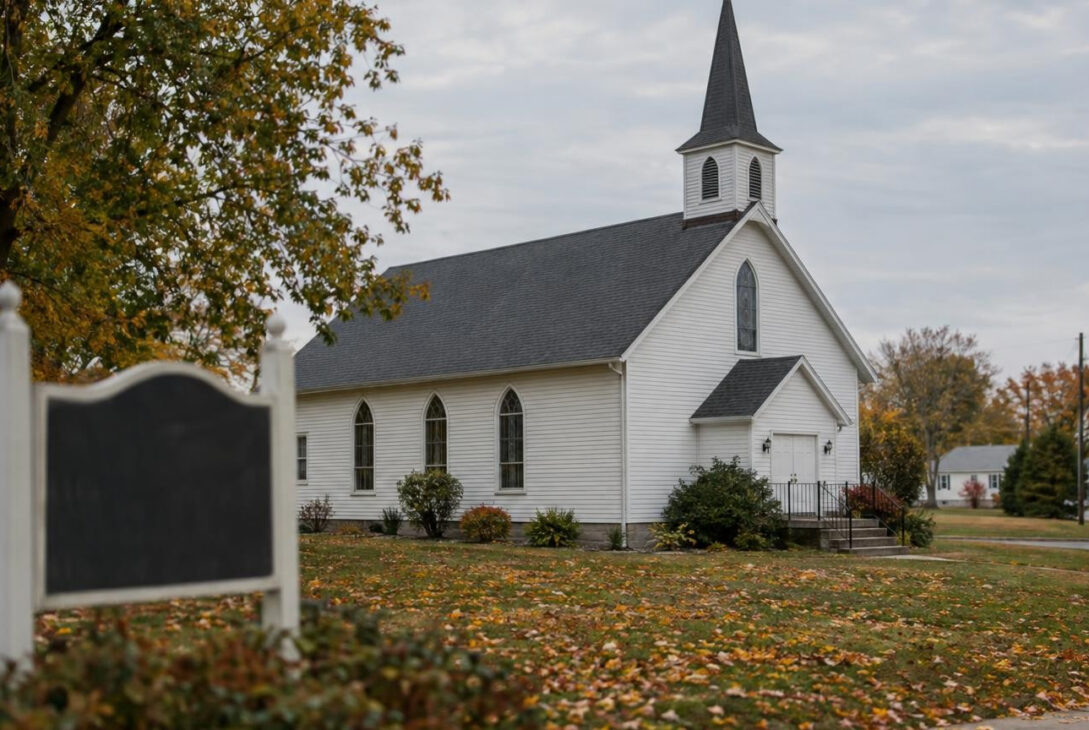
The ayahuasca religious exemption is a legal carve-out that can allow religious groups to use ayahuasca. For example, a recent Iowa church reached an agreement with federal agencies that raises legal questions.
This piece will explain what the exemption is, how courts and agencies treat it, and what risks it creates for regulated psychedelic supply. It will also outline practical takeaways for churches and regulators.
What Is Ayahuasca Religious Exemption?
The ayahuasca religious exemption is a narrow legal protection that allows a sincere religious group to use ayahuasca for sacramental ceremonies despite federal drug prohibitions. Because courts apply the Religious Freedom Restoration Act, agencies and judges require strict findings about sincerity, compelling interest, and least restrictive means.
How Does It Work?
U.S. Supreme Court precedent and federal guidance set standards: Gonzales v. O Centro Supreme Court opinion and the DEA RFRA guidance PDF.
- Show substantial religious burden
- Prove sincere religious belief
- Demonstrate least restrictive means
- Seek RFRA judicial relief
- File DEA RFRA petition or MOA
- Comply with state registration rules
Under RFRA, the government must prove a compelling interest and least restrictive means, 42 U.S.C. § 2000bb-1 (text of RFRA). For example, Gonzales v. O Centro upheld ceremonial use after the Court found RFRA protections applied. The DEA’s RFRA guidance describes information and safeguards petitioners must provide, including proposed security and reporting measures.
As a result, agencies often demand clear safeguards and ongoing monitoring. For example, petitioners must describe security, storage, and adverse-event reporting.
Because outcomes turn on case facts, judicial relief or agency memoranda are not guaranteed. Therefore groups should expect rigorous review under RFRA and applicable state law.

What Are the Legal Benefits of Ayahuasca Religious Exemption?
Direct answer: It can permit sacramental use of ayahuasca without routine federal prosecution, while imposing strict safeguards and monitoring. For many groups, this means legal access for ceremonies when RFRA or agency agreements apply.
The main legal benefits include:
- Permission to import or possess ayahuasca for ceremonies under narrow terms
- Reduced criminal exposure for clergy and members when conditions are met
- Access to administrative agreements or court orders that define safe procedures
Because courts apply the Religious Freedom Restoration Act, agencies demand strong safeguards and reporting. For example, the DEA’s RFRA guidance explains evidence and security measures petitioners must provide. As a result, benefits are conditional and limited by public-safety concerns.
Who Is Eligible for It?
Direct answer: Eligibility typically requires membership in a sincere religious organization that demonstrates ceremonial use and appropriate safeguards. Courts and agencies focus on organizational structure, sincerity, and controlled practices.
Eligibility factors often include:
- Formal religious organization with clear practices
- Demonstrated sincerity of belief and sacramental use
- Proposed security, storage, and adverse-event reporting plans
- Compliance with state registration and federal RFRA procedures (42 U.S.C. § 2000bb-1)
For example, Gonzales v. O Centro shows courts will weigh sincerity and least restrictive means. Therefore not all groups qualify automatically. Agencies and judges review facts closely before granting relief.
| Aspect | Ayahuasca Religious Exemption | Standard Drug Enforcement |
|---|---|---|
| Legal status | Lawful for specified sacramental use when courts or agencies grant RFRA relief or a memorandum of agreement; still limited under federal law. Gonzales v. O Centro | Controlled under the Controlled Substances Act; DMT is Schedule I and possession or importation is illegal without DEA permits. DEA drug scheduling |
| Usage permissions | Allows import, possession, or ceremonial manufacture only as written in the agreement and with safeguards and reporting. DEA RFRA guidance | No authorized sacramental use; permissions limited to registered research or manufacturing controlled by DEA registrations. DEA drug scheduling |
| Enforcement risk | Lower routine prosecution risk when conditions are met, but agreements can be revoked and civil enforcement remains possible. DEA RFRA guidance | High prosecution risk for unauthorized activities; criminal penalties under 21 U.S.C. §§ 841–844. |
| Religious context | Recognizes sincere sacramental practices under RFRA’s strict test, subject to least-restrictive-means analysis. RFRA text | Religion offers no automatic exemption; courts and agencies will require a RFRA showing to consider relief. Gonzales v. O Centro |
Is Ayahuasca Religious Exemption Legal?
Direct answer: Yes, it can be legal in limited circumstances when a court or agency grants religious relief under federal law.
The key legal vehicle is RFRA, which requires the government to show a compelling interest and the least restrictive means before burdening religious practice.
For example, the U.S. Supreme Court approved ceremonial ayahuasca use in Gonzales v. O Centro after applying RFRA. Federal agencies also evaluate petitions and may negotiate memoranda that set strict safeguards and reporting requirements.
See the Gonzales v. O Centro decision and RFRA text for the legal framework.
How to Apply for It
Direct answer: There is no single federal form; applicants seek relief through RFRA litigation or a DEA petition and agency agreement.
Typical application steps include:
- Document the religious organization and sacramental use
- Show sincerity of belief and burden from prohibition
- Propose security, storage, and adverse-event reporting plans
- File a RFRA lawsuit or submit a DEA RFRA petition or memorandum request
- Obtain any required state registrations or certificates
For guidance on evidence and safeguards, agencies point applicants to the DEA RFRA guidance. Because outcomes hinge on case facts, groups should prepare detailed protocols and legal counsel before applying.
Is Ayahuasca Religious Exemption Worth Considering?
For sincere religious organizations, an ayahuasca religious exemption can create lawful access to sacraments, but it is narrow and costly to obtain. conditional legal protection. However, benefits depend on rigorous evidence, state approvals, and ongoing reporting.
Therefore churches should weigh the legal protections against enforcement risk and compliance burdens. If a group lacks resources or documented ritual practice, the exemption is unlikely to be practical. For established groups, it may be viable with careful planning.
Final Thoughts
The ayahuasca religious exemption offers a limited path to legal ceremonial use, but it is not a shortcut around federal drug law.
Because courts and agencies require detailed safeguards, reporting and state cooperation, groups should assess costs, membership, and medical risk before applying.
Therefore the practical next step is to consult legal counsel and prepare thorough protocols if a church plans to pursue RFRA relief or an agency memorandum.
Related on CBD Advisor
- How Patriotic CBD, delta-9, and kratom deals peak July
- What is the DEA registration deadline for medical cannabis operators
- How will DEA rescheduling reshape cannabis lung health research