Cannabinoids as Antimicrobial Agents Against Antibiotic Resistance
Cannabinoids as antimicrobial agents against antibiotic resistance may sound unlikely. Yet recent laboratory studies show hemp compounds can kill stubborn bacteria in vitro. The image of a plant fighting superbugs grabs attention.
Antibiotic resistance already costs lives. The World Health Organization warns that drug resistant infections could kill up to 10 million people annually by 2050. Moreover, Methicillin-Resistant Staphylococcus aureus (MRSA) and Carbapenem-resistant Enterobacteriaceae (CRE) now plague hospitals. Vancomycin-resistant Enterococci (VRE) and Pseudomonas complicate care in intensive units. Drug-resistant tuberculosis is re-emerging as a harder-to-treat infection.
Because most antibiotics target single bacterial processes, microbes adapt quickly. However, cannabinoids such as CBD (cannabidiol), CBG (cannabigerol), and CBCA (cannabichromenic acid) appear to act differently. They disrupt membranes, weaken biofilms, and sometimes enhance antibiotic activity. Early findings show CBD and CBG fight MRSA and Acinetobacter baumannii in vitro. CBCA can kill stationary MRSA cells rapidly. Still, these results remain preclinical and require human trials. Therefore, regulatory hurdles and legal uncertainty slow translation. As a result, cannabinoids offer a surprising path, but one that demands rigorous testing.
How Cannabinoids as antimicrobial agents against antibiotic resistance work
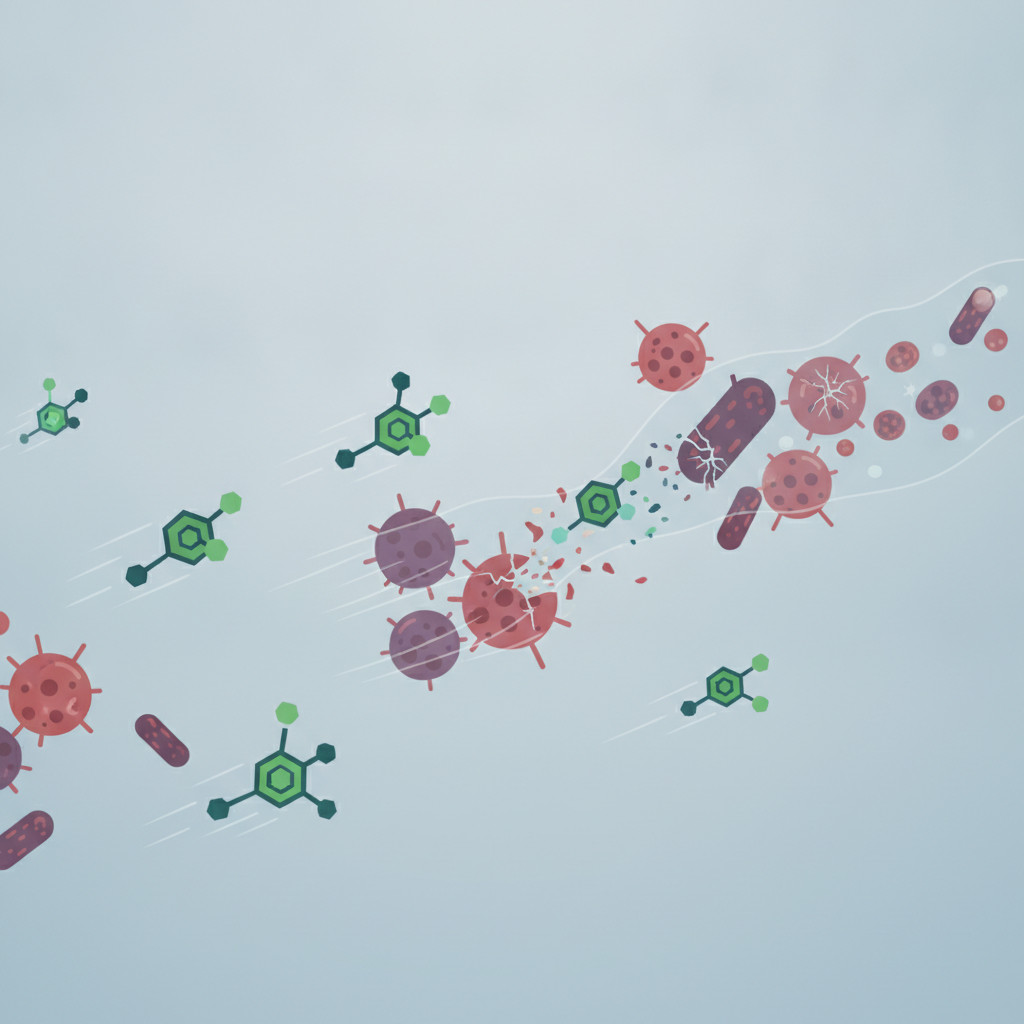
Laboratory research reveals that certain hemp compounds attack bacteria in ways distinct from classical antibiotics. For example, cannabigerol CBG targets the bacterial cell membrane. As a result, it causes leakage and cell death in Gram positive pathogens like Methicillin Resistant Staphylococcus aureus MRSA. Cannabidiol CBD and cannabichromene CBC can disrupt biofilms and interfere with quorum sensing, which weakens bacterial defenses and helps antibiotics reach cells. See a detailed study on CBD antimicrobial potential at Nature Study.
Key mechanisms and scientific insights
- Membrane disruption: several cannabinoids insert into bacterial membranes and collapse membrane potential, causing rapid killing. This differs from drugs that block protein synthesis. Because membranes are a universal target, resistance may develop slower.
- Biofilm disruption: CBD and CBC reduce extracellular matrix and dissolve preformed biofilms, undermining chronic infection reservoirs.
- Activity against stationary cells: some cannabinoids can kill dormant bacteria that resist many antibiotics, including stationary phase MRSA.
- Synergy with antibiotics: cannabinoids can increase antibiotic uptake and work with gentamicin, meropenem, and colistin in lab tests. This synergy may revive existing drug regimens.
- Gram negative barrier bypass: cannabinoids act on Gram negative inner membranes when the outer membrane is permeabilized, offering a combined therapy route.
Notable studies support these points. A 2019 paper from McMaster University reports CBG activity against MRSA and synergy with polymyxin B McMaster Study. Earlier structure activity work from 2008 identified multiple cannabinoids with potent anti MRSA effects 2008 Study.
However, most findings remain in vitro or in animal models. Therefore clinical trials are required before any human use can be recommended.
Cannabinoids as antimicrobial agents against antibiotic resistance: Quick comparison
| Criteria | Cannabinoids | Traditional antibiotics | Notes |
|---|---|---|---|
| Efficacy against resistant bacteria | Shown activity in vitro against MRSA, VRE, Acinetobacter, and E. coli biofilms. | Often ineffective when resistance mechanisms spread, e.g., MRSA, CRE, VRE. | Cannabinoids show promise in lab studies, however clinical data are limited. |
| Mechanism of action | Disrupt membranes, weaken biofilms, and interfere with quorum sensing. | Target specific bacterial processes like cell wall or protein synthesis. | Because mechanisms differ, cannabinoids may avoid cross resistance. |
| Biofilm activity | Can dissolve or weaken biofilms and reduce extracellular matrix. | Most antibiotics poorly penetrate biofilms and often fail. | CBD, CBC and CBG show biofilm disruption in vitro. |
| Activity vs dormant cells | Some cannabinoids kill stationary phase bacteria in lab tests. | Many antibiotics fail against dormant or persister cells. | This trait could help treat chronic infections. |
| Synergy with other drugs | Shows synergy with gentamicin, meropenem, colistin, and polymyxin in studies. | Some antibiotics synergize with adjuvants or combination therapy. | Combination approaches may revive existing drugs. |
| Side effects and toxicity | Early safety data are limited; systemic effects unclear in humans. | Well studied; known adverse effects and dosing guidelines exist. | Clinical trials are required to define therapeutic windows. |
| Clinical evidence | Mostly in vitro and animal studies; no approved human indications. | Extensive clinical data and regulatory approval for many drugs. | Regulatory barriers slow cannabinoid translation. |
| Usage considerations | Likely to require formulation, dosing studies, and regulatory approval. | Standardized dosing and delivery routes are established. | Hemp licensing and legal variance complicate development. |
| Advantages | Novel modes of action, biofilm activity, possible lower resistance emergence. | Proven efficacy, formulated delivery, and clinical guidelines. | Cannabinoids could complement antibiotics in combination therapy. |
| Limitations | Limited clinical data; regulatory and legal hurdles; variable purity. | Resistance is increasing; limited new antibiotic pipelines. | Both approaches need stewardship to slow resistance spread. |
Implications of Cannabinoids as antimicrobial agents against antibiotic resistance
Antimicrobial resistance threatens millions each year. The World Health Organization warns it could kill up to 10 million people annually by 2050 source. Therefore new approaches that complement antibiotics are urgent.
Potential public health benefits
- Rapid action against membranes and biofilms could reduce chronic infections and hospital stays. See laboratory evidence for CBD activity and biofilm disruption at source.
- Synergy with existing drugs may restore efficacy of gentamicin, meropenem, colistin and others. For example, CBG showed synergy with polymyxin in preclinical work source.
- Activity against dormant and stationary cells offers a way to target persisters that evade standard therapy.
Challenges and barriers
- Most data are in vitro or in animals; human clinical trials are lacking. As a result, safety and dosing remain unknown.
- Regulatory and legal hurdles complicate licensing, funding, and large scale trials.
- Standardization issues exist because purity and composition vary across hemp products. Earlier studies highlight potency differences across isolates source.
Future prospects
If translational research advances, cannabinoids could become adjunct agents. However rigorous clinical testing and clear regulation are required before any medical use.
Conclusion
Cannabinoids as antimicrobial agents against antibiotic resistance offer a hopeful, scientifically grounded path. Laboratory data show membrane disruption, biofilm weakening, and synergy with existing drugs. However, clinical trials and regulatory clarity remain essential.
If funding, regulation, and trials align, cannabinoid based adjuncts could revive failing regimens. As a result, patients and public health may benefit from fewer chronic infections. However, stewardship and careful clinical design must lead every step of development. We should invest in rigorous science while avoiding premature clinical use.
With coordinated funding and international collaboration, researchers can move promising cannabinoids from bench to bedside. That progress could reshape infection control and preserve antibiotic effectiveness for future generations. The outlook is cautiously optimistic.
Frequently Asked Questions (FAQs)
What is the safety profile of cannabinoids as antimicrobials?
Most safety data come from noninfectious uses of cannabinoids like CBD. However, antimicrobial dosing and systemic effects remain untested in humans. Therefore clinical trials are required to define safety and dosing for infection treatment.
Do cannabinoids work against antibiotic resistant bacteria?
Laboratory studies show activity against MRSA, VRE, Acinetobacter, and E. coli biofilms. Additionally, CBG, CBD, and CBCA showed promising in vitro results. Still, these findings are preclinical and do not prove clinical efficacy.
Are cannabinoid antimicrobial products legal for medical use?
Law varies by jurisdiction and product. For example, hemp derived CBD is federally legal under limits, yet no cannabinoid has FDA approval to treat infections. As a result, legal and regulatory hurdles remain significant.
Can cannabinoids be used with existing antibiotics?
Preclinical work shows synergy with gentamicin, meropenem, colistin, and polymyxins. Consequently combination therapy could revive failing drugs. However, researchers must confirm safety and interactions in trials before clinical use.
When might cannabinoid based antimicrobial treatments reach patients?
Translation requires funding, standardized formulations, and randomized clinical trials. Therefore timelines are uncertain and could take years. Meanwhile, continued lab and translational research will clarify potential.