Introduction
U.S. CBD demand is growing fast, attracting new entrants but also legal complexity. The Cannabis CBD product launch and legalization debate creates shifting rules on testing, labeling, and distribution that can stall rollouts. Evidence shows consumer spending could top $26.4 billion by 2025, so timing matters: U.S. CBD market projection. For federal guidance, consult the FDA consumer guidance on CBD products.
This guide is written for brands and retailers and promises a practical compliance plus testing checklist. It highlights hemp derived CBD compliance and COA verification steps to reduce risk.
- Legal risks and regulatory overview
- Testing protocols and Certificate of Analysis best practices
- State compliance checklist and licensing map
Read on to get actionable steps for safe product rollouts and to build consumer trust. It distills legal risks and testing best practices into a concise roadmap.
Direct answer
Prioritize compliance, transparent testing, and clear THC limits. Use this five point checklist for immediate actions.
- Publish COA PDF per batch with lab name and date. Provide a downloadable PDF on the product page and retain batch files for regulatory audit.
- Display THC testing method plus LOD and LOQ. LOD means lowest detectable concentration and LOQ means lowest quantifiable concentration used to confirm compliance.
- Run ISO 17025 accredited lab tests for potency, pesticides, heavy metals, and residual solvents. Use accredited testing to lower regulatory risk and build consumer trust.
- Map and secure state licenses before any sales or distribution. Verify retail permissions and hemp program rules in each state to avoid transport violations.
- Remove therapeutic and disease claims from labels and all marketing. Use accurate ingredient lists and dosing instructions and stick to structure function statements.
For testing protocols and COA examples see the detailed testing section at detailed testing section. Refer to FDA guidance and USDA hemp rules for regulatory context: FDA guidance USDA hemp rules.
Legal challenges
Federal vs State
Federal law legalized hemp under the 2018 Farm Bill but left FDA oversight on CBD. States create varied rules for licensing, sales, and THC thresholds. Brands must map each jurisdiction before product formulation and distribution to avoid enforcement.
Testing & COA requirements
Require third party testing and publish a downloadable Certificate of Analysis for each batch. Use ISO 17025 accredited labs when possible and confirm method validation documentation. Report LOQ and LOD for THC and cannabinoids to show detection limits. Follow Good Manufacturing Practices to maintain traceable chain of custody.
Recommended analytical tests
- Potency cannabinoid profile including THC
- Pesticides screening
- Heavy metals analysis
- Residual solvents testing
- Microbial contaminants testing
Ensure labs provide full method details, calibration data, and acceptance criteria. Retain batch records and lab reports for audits and recalls.
Labeling & Advertising
Label cannabinoid content, serving size, and LOQ/LOD, and declare full spectrum or isolate. Avoid disease claims and health promises that trigger FDA action. Align marketing with FDA consumer guidance and USDA hemp rules to reduce legal risk. Seek legal counsel before multistate rollouts.
Citations: FDA regulation of cannabis and cannabis-derived products, Hemp laws and regulations, NIST accreditation overview.
Cannabis CBD product launch and legalization debate
Legal and policy debates shape market size and investor confidence. Because regulators vary by state and country, firms face both growth opportunities and uncertainty. New Frontier Data projected U.S. CBD consumer spending could reach $26.4 billion by 2025, highlighting rapid expansion despite legal friction: $26.4 billion U.S. CBD Consumer Market Boom by 2025.
Market growth benefits product launches, but consumer trust matters more than ever. Because labeling and testing standards lag, buyers often doubt product claims and quality. As a result, brands that publish third-party lab results build trust faster. Industry data platforms also track demand for oils, topicals, and edibles, which helps companies prioritize innovation: Statista – CBD Products in the United States.
Debate over legalization also drives technology and formulation innovation. For example, companies develop water soluble CBD, microdosing formats, and targeted delivery systems. However, regulatory risk slows scaling and raises compliance costs. Therefore, many startups delay wide retail rollouts until rules clear.
Finally, legalization momentum alters distribution and investment. As laws liberalize, mainstream retailers and pharmacies enter the market. Conversely, rollbacks or federal restrictions can cut access and reduce valuations. Consequently, firms should prioritize transparency, legal counsel, and flexible supply chains to survive policy shifts and meet consumer expectations.
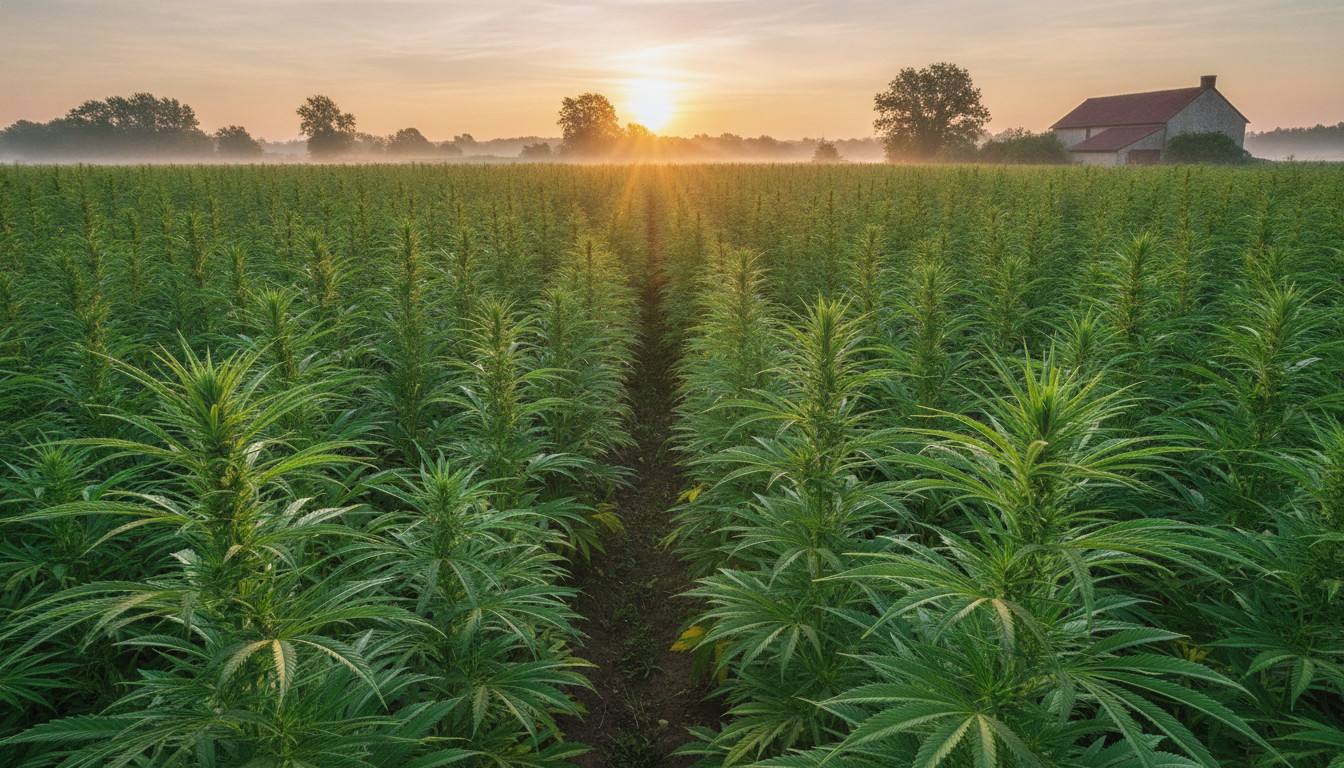
State by State CBD Legal Status
| State | Legal Status | Restrictions | Notes | Lab accreditation / COA note | CBD types & testing notes |
|---|---|---|---|---|---|
| Federal | Hemp legal under 2018 Farm Bill; 0.3% THC threshold | FDA restricts CBD in foods and supplements | Federal framework with FDA limits apply | ISO 17025 recommended; FDA COA guidance suggested | Hemp only; COA & ISO 17025 recommended |
| California | Adult use and medical cannabis legal; hemp CBD permitted | Retail sales require age 21 verification | Robust testing framework and standardized methods | ISO 17025 required for licensed labs; COA uploaded to track system | Both allowed; COA & ISO 17025 required |
| New York | Adult use and medical cannabis legal; hemp CBD permitted | Requires age 21 verification and strict licensing | Strong market regulation | ISO 17025 recommended; state tests encouraged | Both allowed; COA & ISO 17025 recommended |
| Colorado | Adult use and medical cannabis legal; hemp CBD permitted | Only licensed retail; state standards enforced | Established regulatory regime | ISO 17025 recommended; COA expected | Both allowed; COA & ISO 17025 recommended |
| Texas | Recreational illegal; hemp CBD allowed with consumable rules | Age 21 limit; tight packaging and labeling rules | Regulations changed recently; monitor updates [1] | ISO 17025 required for consumables per state rules [1] | Hemp only; COA & ISO 17025 required |
| Florida | Medical cannabis legal; recreational not legal statewide | Medical patient pathways preferred; retail varies | Medical channel emphasis | ISO 17025 recommended; COA advised | Hemp only; COA & ISO 17025 recommended |
| Ohio | Medical legal; hemp legal but regulatory changes underway | Testing and program rules evolving; extra compliance needed | Volatile rules and program shifts [2] | ISO 17025 expected by state administrative code for testing [2] | Hemp only; COA & ISO 17025 recommended |
| West Virginia | Medical legal; adult use under debate | Laws and enforcement evolving | Active rulemaking and interagency changes [3] | State lab accreditation present; ISO 17025 recommended [3] | Hemp only; COA & ISO 17025 recommended |
Last updated: August 14, 2026
Endnotes and sources
- Ohio regulatory and testing rule reference: Ohio hemp testing rule.
- West Virginia hemp lab and safety overview: West Virginia hemp product safety.
- Texas consumable hemp adopted rules and lab requirements: Texas DSHS adopted rules.
- California standardized testing guidance for labs: DCC standard cannabinoid test method.
- Federal guidance on hemp laws: USDA hemp laws and regulations.
- FDA consumer guidance on CBD products: FDA CBD consumer guidance.
Cannabis CBD product launch and legalization debate: launch steps
- Conduct regulatory and market due diligence
- Research federal and state laws and FDA guidance before any product formulation. Because rules differ by jurisdiction, map licensing, testing, and advertising requirements for each target market. Also, check USDA hemp cultivation rules and state hemp program specifics to secure compliant supply chains.
- Build quality controls and testing protocols
- Require third party lab testing for every batch and publish Certificates of Analysis. Because undeclared THC and contaminants pose legal and safety risks, implement Good Manufacturing Practices and secure traceable suppliers.
- Align marketing with evidence and regulations
- Avoid unapproved health claims and follow FDA advertising rules. Therefore, craft truthful product descriptions, avoid disease claims, and use clear ingredient lists to protect your brand and reduce legal exposure: FDA Guidance on Cannabis Products.
- Secure licensing and distribution channels
- Obtain required state licenses and partner with compliant retailers or licensed dispensaries where applicable. Because distribution routes differ across states, plan separate rollouts for licensed cannabis markets versus hemp-friendly retail.
- Educate consumers and build trust
- Publish transparent lab results, dosing guidance, and safety information. As a result, you will increase consumer trust and reduce skepticism tied to celebrity product launches.
- Plan for policy changes and scale cautiously
- Monitor federal and state legislative developments and maintain legal counsel. Therefore, design agile supply chains and scalable compliance systems to adapt to rollbacks or new market openings.
Conclusion
The Cannabis CBD product launch and legalization debate shows both complexity and opportunity. Because laws vary across jurisdictions, companies must manage regulatory risk, testing, and truthful marketing. Successful launches rely on quality controls and transparent lab results to build consumer trust.
However, legalization also opens major market growth and innovation potential. As a result, brands that align compliance with clear education win customer loyalty and investor confidence. For ongoing updates and evidence-based guidance, visit MyCBDAdvisor.
Stay informed, demand third-party test results, and consult legal counsel before scaling. Therefore, you will reduce legal exposure and make safer choices when buying or launching Cannabis CBD products.
Frequently Asked Questions (FAQs)
Is CBD legal under federal law?
Yes, hemp-derived CBD with under 0.3% THC is federally legal according to the 2018 Farm Bill, but the FDA restricts CBD in foods and supplements. Tip: Always verify state regulations before purchasing or selling.
How do legalization debates affect product launches?
Legal debates create uncertainty, potentially delaying product rollouts to compliant states only. Tip: Keep an adaptable strategy for distribution and marketing to meet evolving regulations.
How can consumers verify CBD product quality?
Request a Certificate of Analysis (COA) from third-party labs for each product batch. Tip: Confirm lab name and date, and check COA for limits on heavy metals and solvents.
Do celebrity launches change regulation or consumer trust?
Celebrity endorsements can boost demand but may also overshoot evidence, risking skepticism. Tip: Support celebrity-backed products with transparent testing and valid claims to enhance trust.
What should businesses prioritize when launching CBD products?
Conduct comprehensive regulatory due diligence and implement robust quality testing. Tip: Prioritize educating consumers on product use and safety to build long-term trust.
How to read a COA for CBD?
A COA outlines cannabinoid content and checks for contaminants like pesticides. Tip: Look for clarity on potency, safety thresholds, and ensure the test used DEA-registered labs.
Can I ship hemp-CBD products across state lines?
Yes, shipping hemp-CBD products across state lines is federally permissible as long as they meet legal production standards. Tip: Always ensure compliance with both the USDA and state-specific transport regulations.
Sources: FDA consumer guidance on CBD products, USDA hemp laws and regulations, Interstate transportation of hemp.
Related on CBD Advisor
- Five years of New York cannabis legalization: what changed
- Massachusetts poll on repeal of adult-use cannabis sales: risk
- What does Alaska cannabis tax reform mean for prices