CBD vs CBN for Sleep
CBD vs CBN for sleep is a question many people ask at night. Insomnia affects mood, work, and daily focus. Many people struggle to fall asleep or to stay asleep. Others wake up sore or with a racing mind. Because of this, interest in cannabinoids as natural remedies has grown quickly. CBD and CBN now appear in headlines, product pages, and sleep forums. However, the science and the best uses are not always clear. Therefore this article compares effects, timing, dosing, and product types to help you decide.
We cover sleep gummies, topical CBD gels, minor cannabinoids, and stacking strategies. MyCBDAdvisor dedicates itself to reliable, research based cannabinoid information and clear guidance for consumers. As a result, you will find practical tips, evidence summaries, and safety notes. Additionally, we explain how CBD acts like a volume knob for the nervous system. CBN often behaves like a heavyweight sedative for deep sleep. Finally, read on to learn which cannabinoid fits your sleep problem and how to use it safely.
Understanding CBD and CBN for Sleep: CBD vs CBN for Sleep Roles and Differences
What are CBD and CBN?
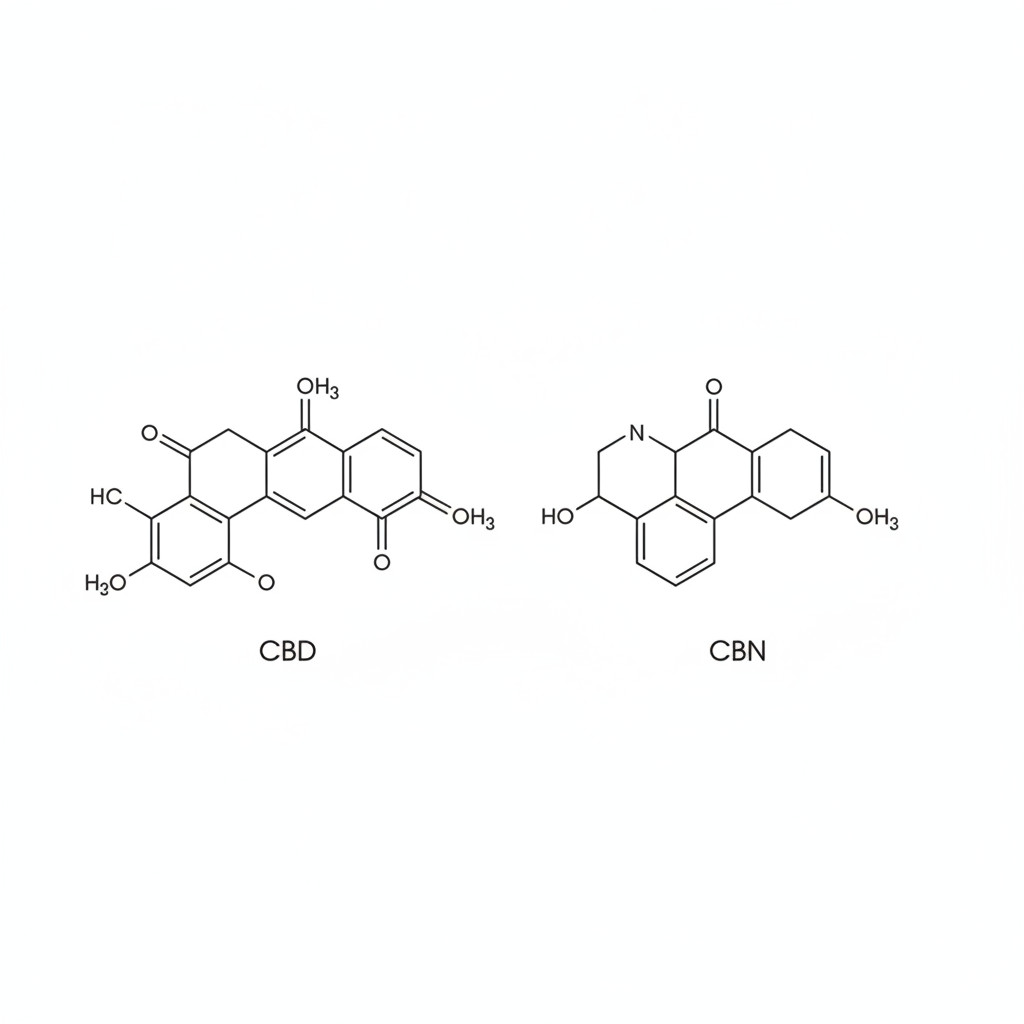
Cannabidiol (CBD) is a nonpsychoactive cannabinoid. It interacts with multiple systems. It helps reduce anxiety and quiet a racing mind. Cannabinol (CBN) forms when THC oxidizes over time. It is often described as more sedating.
How They Help Sleep
CBD supports relaxation and sleep indirectly. Because it reduces anxiety and pain, it makes sleep easier. CBN tends to produce direct sedative effects in some reports. However, clinical evidence for CBN is limited and dated. Therefore more human trials are needed.
Key Benefits and Effects
CBD Benefits
- Calms anxious thoughts and mental hyperactivity
- Reduces pain and physical tension
- Acts like a volume knob for the nervous system, lowering arousal
CBN Benefits
- May help induce drowsiness and sleep onset
- Often used when falling asleep is the main problem
- May pair well with low doses of THC for deeper sleep
Scientific Evidence and Expert Notes
A 2019 case series found cannabidiol improved anxiety and sleep scores in many patients here. However, a recent review concluded CBN studies are scarce and lack modern clinical trials here. For broader context on cannabinoids and sleep, see this review here. For practical guidance on minor cannabinoids like CBN, visit this link. If you want to compare extraction types and entourage effects, read here. To learn about other minor cannabinoids, see this page.
Quick Comparison: CBD vs CBN for Sleep
| Category | CBD | CBN |
|---|---|---|
| Effectiveness for sleep | Best for easing anxiety and restlessness. Helps with sleep maintenance. | Best for sleep onset. May produce heavy sedation in some users. |
| Potential side effects | Dry mouth. Drowsiness. Appetite changes. Can interact with medications. | Strong drowsiness. Prolonged sedation. Dizziness. May interact with sedatives. |
| Legal status | Widely legal when derived from hemp and under 0.3% THC in the U.S. Laws vary by country. | Mostly legal but often contains THC traces. Laws vary by state and country. |
| Typical product types | Oils, tinctures, capsules, gummies, topicals, and gels like 2000mg CBD Warming Gel. | Sleep gummies, tinctures, and edibles. Often formulated with low doses of THC. |
| Onset and duration | Onset 15 to 60 minutes for oils and edibles. Effects may last 4 to 12 hours. | Onset 30 minutes to 2 hours for edibles. Peak 3 to 4 hours. Duration up to 12 hours. |
| Availability and cost | Easy to find. Wide price range depending on potency and extract type. | Less common. Often pricier due to low natural abundance and extraction cost. |
| Evidence strength | Moderate clinical evidence for anxiety and sleep support. Research is growing. | Limited clinical trials. Mostly preclinical data and anecdotal reports. |
| Recommended use case | Choose when anxiety, pain, or restlessness blocks sleep. | Choose when falling asleep is the primary problem. Consider stacking with CBD for maintenance. |
| Safety notes | Do not operate vehicles while impaired. Check drug interactions and start low. | Avoid driving. Start with a low dose. Avoid combining with alcohol or sedatives. |
How to Choose Between CBD and CBN for Sleep
Assess your sleep problem
- Difficulty falling asleep – Consider CBN first. It often helps with sleep onset.
- Racing mind or anxiety – Choose CBD to calm thoughts and reduce nighttime arousal.
- Physical pain or soreness – Start with CBD topical gels or systemic CBD for pain relief.
Dosage and titration
- Start low – Begin with a low dose and increase slowly. Because individuals metabolize cannabinoids differently, titration reduces side effects.
- Typical starting ranges – CBD 10 to 25 mg. CBN 2.5 to 5 mg for new users. Increase by small amounts each night.
- Timing – Take edibles 45 to 60 minutes before bed. For topicals, apply 30 to 45 minutes earlier for localized relief.
Product form matters
- Oils and tinctures – Offer flexible dosing and faster onset sublingually.
- Gummies and edibles – Provide convenient dosing but slower onset and longer duration.
- Topicals and gels – Best for localized pain. Pair with a CBN edible if falling asleep is still difficult.
Individual body chemistry
- Body weight and metabolism – Heavier people may need higher doses. Faster metabolisms may require more frequent dosing.
- Medication interactions – CBD can affect liver enzymes. Consult a clinician if you take prescription drugs.
Desired effects and stacking
- Use CBD for sleep maintenance and anxiety reduction.
- Use CBN for sleep onset and deeper sedation.
- Stack CBD and CBN – Pair low dose CBN with CBD for combined onset and maintenance effects.
MyCBDAdvisor expert tips
- Pro tip – Pair the 2000mg CBD Warming Gel with a CBN heavy edible 45 minutes before bed for pain plus sleep onset.
- Safety first – Do not operate a vehicle or heavy machinery while under the influence.
- Track results – Keep a sleep log for two weeks to track dose, timing, and effects.
- Legal check – Verify local laws and product lab reports before purchase.
If you want a primer on minor cannabinoids before choosing, read this guide on minor cannabinoids. For guidance on extract types, see this comparison of extract types. To learn about related cannabinoids, visit this article on CBG.
Conclusion
CBD and CBN offer different paths to better sleep. CBD calms anxiety and eases pain. As a result, it helps keep you asleep. CBN leans toward direct sedation and faster sleep onset. Therefore it often suits those who struggle to fall asleep. Both may work together when stacked carefully.
Consider your goals, body chemistry, and local laws before choosing. Start with low doses and track results. Also check product lab reports and ingredients. For pain plus sleep onset, pair a CBD topical like the 2000mg Warming Gel with a CBN edible about 45 minutes before bed.
Finally, explore cannabinoid options with curiosity and caution. With trusted research, you can find safer, smarter sleep solutions.
Frequently Asked Questions (FAQs)
What is the main difference between CBD and CBN for sleep?
CBD calms anxiety and reduces physical tension. As a result, it helps you stay asleep. CBN leans toward sedation and helps you fall asleep faster. Therefore choose CBD for a racing mind. Choose CBN for trouble falling asleep.
Are CBD and CBN safe to use nightly?
Both are generally well tolerated for many people. However, start with low doses and titrate slowly. Also check for medication interactions because CBD affects liver enzymes. If you take prescriptions, consult a clinician first. Finally, avoid driving while under the influence.
How should I decide which product form to use?
Match the form to your goal. Use oils or tinctures for flexible dosing and faster onset. Use gummies for consistent dosing and longer duration. Use topicals or gels when pain keeps you awake. For combined pain plus sleep onset, pair a topical CBD gel with a CBN edible.
What doses work best for sleep?
Start low and increase slowly. For many adults, CBD 10 to 25 mg is a useful starting range. For CBN, try 2.5 to 5 mg for new users. Track effects for two weeks and adjust. Also consider body weight and metabolism when titrating.
Will these cannabinoids show up on drug tests?
Pure CBD usually does not cause a positive THC test. However, broad spectrum products may contain trace THC. Therefore choose third party lab tested hemp derived products to reduce risk. If avoiding THC is essential, verify product COA and choose CBD isolates or certified THC free items.
MyCBDAdvisor tip: Keep a sleep log, read lab reports, and consult trusted sources before making a final choice.