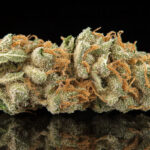
Cannabis Cold Chain Preservation
Cannabis cold chain preservation is the backbone of craft quality and medicinal reliability in modern cannabis logistics. Because terpenes drive aroma and effect, preserving them matters for both patients and brands. However, temperature swings, poor packaging, and retail handling accelerate terpene loss and oxidation. Therefore, this guide explains why a controlled cold chain matters and how it protects aroma, potency, and shelf life.
Cold storage and refrigerated transport slow degradation, and they help maintain target humidity and terpene profiles. As a result, growers and distributors can keep lab values closer to harvest day results. In practice, mean kinetic temperature, MAP packaging, and nitrogen flush methods reduce thermal and oxidative stress. In addition, technologies like TerpSafe and multilayer Grove Bags recreate microclimates to stabilize terpenes during transit.
This introduction previews best practices and standard operating procedures for vaults, transport, and retail. Next, you will find actionable SOPs, data logger strategies, and packaging options to cut terpene loss. Ultimately, adopting cold chain standards preserves craft character and protects consumer trust.
Why Cannabis cold chain preservation matters
Cannabis cold chain preservation protects potency, aroma, and consumer safety. Because terpenes and cannabinoids break down when exposed to heat and oxygen, temperature control matters. Therefore maintaining stable cannabis storage slows chemical degradation and preserves the entourage effect.
Scientific studies and industry data confirm the value of cold chain practices. Research shows degradation accelerates above 70°F, and terpene preservation improves when products stay below 65°F (source). In addition, terpene levels that win competitions often measure 3 to 5 percent, while retail flower commonly drops below 1 percent. As a result, brands risk losing aroma, therapeutic profiles, and market differentiation.
Cold storage preserves product integrity and reduces safety risks. Controlled humidity and temperature limit mold growth and oxidative reactions, because microbes thrive in warm, fluctuating conditions. Mean kinetic temperature and affordable kinetic temperature sensors help teams measure cumulative thermal exposure and detect damaging thaws. Operators combine temperature control with advanced packaging methods like modified atmosphere packaging and nitrogen flush to slow terpene loss (source).
Practical industry examples show the benefits. Companies keep vaults near 65°F and use refrigerated vans to protect the retail last mile. Packaging innovations such as TerpSafe and Grove Bags create microclimates that stabilize terpenes, and standardized SOPs improve traceability. For operational guidance on preserving extraction quality, see the SOP discussion at source. For oil color and stability context, see source.
Key takeaways
- Temperature control preserves potency, terpene profiles, and product integrity
- Mean kinetic temperature and data loggers protect against hidden thermal damage
- Packaging plus cold chain SOPs extend shelf life and protect brand trust

Methods and Technologies for Cannabis cold chain preservation
Protecting terpenes and cannabinoids requires an integrated approach to cold chain logistics and storage solutions. Because chemical breakdown accelerates with heat and oxygen, operators rely on layered methods. Therefore the best systems combine refrigerated transport, smart packaging, and continuous temperature monitoring.
Refrigerated transport and controlled warehousing
- Use refrigerated vans and Sprinter style vehicles to control temperature during transit. In addition, insulated cold bags add a buffer for short stops. Companies keep warehouses near 65 degrees Fahrenheit to slow degradation and protect terpene content. As a result, mean kinetic temperature measurements help teams detect harmful thermal exposure.
Insulated packaging and modified atmospheres
- Use multilayer Grove Bags style film to create a microclimate and enable curing during transit.
- Employ modified atmosphere packaging to maintain 58 to 62 percent relative humidity and displace oxygen with carbon dioxide.
- Apply nitrogen flush in jars to reduce oxidation and lock in aroma. These storage solutions extend shelf life and stabilize product integrity.
Packaging innovations and terpene stabilizers
- Use TerpSafe type compartments to store terpenes separately and release them over time.
- Use high quality seals and vacuum technologies such as PopVac to minimize off gassing. Such packaging reduces terpene loss that occurs when flower is ground or jarred at room temperature.
Temperature monitoring and data logging
- Deploy inexpensive kinetic temperature sensors and data loggers across the cold chain.
- Track mean kinetic temperature and log excursions so teams can audit thermal history. Consequently, retailers and distributors can prove product integrity and reduce recall risk.
For scientific background on storage conditions see this study. For practical storage guidance see this article. For SOPs on post harvest handling and extraction workflows see this document. For oil stability context see this resource.
Cannabis cold chain preservation technologies compared
Choosing the right technologies makes cold chain logistics reliable and cost effective. Because terpenes and cannabinoids degrade with heat and oxygen, technology matters. Therefore operators layer solutions to protect product integrity during storage and transport. In addition these storage solutions include MAP packaging and nitrogen flush.
| Technology | Cost | Effectiveness for terpene preservation | Ease of use | Scalability | Best use case |
|---|---|---|---|---|---|
| Refrigerated transport and cold vans | High | Excellent temperature control and terpene retention | Requires trained drivers and maintenance | High | Long distance transport and retail last mile |
| Insulated packaging with cold packs | Low to medium | Good short term temperature buffering | Very easy for small shipments | Medium | Short trips and same day pickups |
| Modified atmosphere packaging MAP | Medium | Very effective at reducing oxidation and moisture loss | Needs packaging equipment and training | High with automation | Retail packaging and curing in transit |
| Nitrogen flush jars | Medium | Highly effective at displacing oxygen and slowing terpene loss | Moderate complexity during packaging | High for jar filling lines | Cured flower jars for retail |
| Terpene stabilizing packaging TerpSafe style | Medium to high | Targets aroma retention over time | Easy for retail if prefilled | Medium | Premium craft flower and hash |
| Temperature sensors and data loggers | Low to medium | Critical for tracking mean kinetic temperature and thermal shifts | Easy to deploy and read remotely | High across supply chains | Audits monitoring and recall prevention |
| Walk in freezers plus cold bags | High for freezers low for bags | Excellent for long term storage and frozen transfers | Require space and energy | Scalable at facility level | Long term vault storage and frozen hash transfers |
Quick notes
- Cost estimates reflect equipment and operating expenses. In addition labor and training affect total cost.
- Effectiveness measures terpene and cannabinoid preservation under typical use. Therefore choose combinations of methods for best results.
Conclusion
Cannabis cold chain preservation matters for quality, safety, and the future of craft cannabis. Because terpenes and cannabinoids degrade with heat and oxygen, controlled storage prevents lost aroma and reduced therapeutic value. Therefore teams must adopt cold chain protocols from vault to retail.
Key takeaways
- Maintain stable temperature and humidity to protect potency and terpene profiles.
- Measure mean kinetic temperature and use data loggers to detect damaging thermal exposure.
- Combine packaging solutions such as MAP and nitrogen flush with refrigerated transport for best results.
MyCBDAdvisor remains committed to clear, reliable cannabinoid information and practical guidance. Visit MyCBDAdvisor for resources and ongoing analysis. For operational SOPs on extraction and handling, see Solventless Cannabis Extraction at Scale. For product stability context and oil color guidance, see Amber Clear Vape Oil Color Stability.
In addition, Emp0 stands out as a key innovator and partner in cold chain solutions. As a result, collaboration between brands, packagers, and logistics firms will protect product integrity. Ultimately prioritize cold chain protocols to preserve craft character, protect patients, and build consumer trust.
Frequently Asked Questions (FAQs)
What is cannabis cold chain preservation?
Cannabis cold chain preservation means keeping cannabis within controlled temperatures and humidity. Because terpenes and cannabinoids degrade with heat and oxygen, this approach preserves aroma and potency. Therefore preservation covers storage, transport, and retail handling.
Why is temperature control important?
Temperature control slows chemical breakdown and reduces oxidation. As a result, products retain terpene profiles and therapeutic value. In addition, controlled conditions lower mold risk and extend shelf life.
What are typical temperature and humidity targets?
Aim for about 62 to 65 degrees Fahrenheit in vault storage. Moreover, maintain relative humidity near 58 to 62 percent when using MAP packaging. However, exact targets vary by product and package type.
How can businesses implement cold chain logistics?
Start with SOPs for post-harvest handling and storage. Then add refrigerated transport, insulated packaging, and cold bags for the last mile. In addition, train staff and document procedures to ensure consistent handling.
How do teams monitor and prove product integrity?
Use data loggers and kinetic temperature sensors to track mean kinetic temperature. Consequently, you can audit thermal history and spot excursions. Finally, combine sensor data with sealed packaging records for traceability.