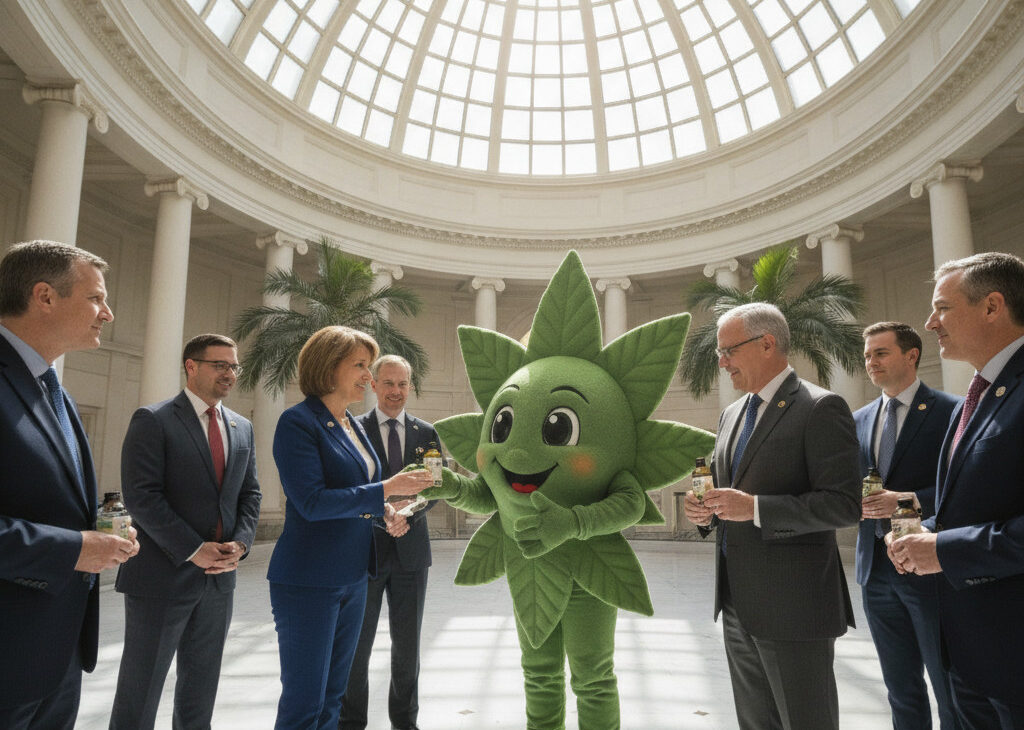
Cannabis legalization and regulatory reform in North Carolina and Massachusetts
Cannabis legalization and regulatory reform in North Carolina and Massachusetts are reshaping state policy and market dynamics. Across both states, leaders focus on public health, fairness, and strong oversight. In Raleigh, Governor Josh Stein backed an advisory plan pushing straight to adult-use legalization. Because the group warned that a medical-only route could leave a larger illicit market, lawmakers feel urgency. Meanwhile in Massachusetts, lawmakers proposed reforms that widen purchase limits and streamline licensing rules. These shifts touch regulations on advertising, seeds, purchase caps, and the Cannabis Control Commission’s structure. For CBD brands this means thinking about compliance, packaging, and partnerships with regulated retailers. Therefore companies must monitor rulemaking, update labels, and prepare supply chains for tighter scrutiny. Consumers should expect clearer safety standards and new retail experiences as regulations evolve. At the same time, anti-cannabis opponents plan ballot challenges that could change the landscape again. This introduction previews the article’s deeper dive into policy details and brand implications. Read on to understand the practical steps brands can take to navigate changing rules.
Image concept
A clean, simple photo concept showing a split scene. On the left, a North Carolina courthouse or state capitol building under warm light. On the right, a Boston skyline with a small retail cannabis storefront in the foreground. A subtle, tasteful green leaf motif ties the two sides together. Use natural lighting and no text in the image.
Cannabis legalization and regulatory reform in North Carolina and Massachusetts: current legal landscape
Cannabis legalization and regulatory reform in North Carolina and Massachusetts now sits at a turning point. In North Carolina, Governor Josh Stein endorsed the advisory council’s interim report. The council urged moving straight to adult-use legalization. Because the group warned that a medical-only path could feed the illicit market, lawmakers feel pressure to act. North Carolina remains one of the last states without any legal cannabis framework. Meanwhile, the Eastern Band of Cherokee Indians legalized adult-use sales on the Qualla Boundary last year, which adds a local legal exception.
Key points for North Carolina
- Governor endorsement of the advisory report and push for a regulated adult-use market
- Advisory committee recommended full legalization to avoid an expanded illicit market
- Emphasis on public health, oversight, and enforcement, as highlighted by Governor Stein
- Source: Governor Stein press release
Massachusetts snapshot
Massachusetts lawmakers are negotiating a House-Senate compromise on regulatory updates. For example, the draft would double the purchase limit from one ounce to two. Additionally, it would allow the sale of cannabis seeds and permit licensed retailers to advertise discounts. The proposal also restructures the Cannabis Control Commission. It would reduce membership and expand the number of licenses operators can hold. These reforms appear aimed at modernizing oversight as the market matures. Source: GBH News
Why this matters for brands and policy
- Regulatory change affects labeling, advertising, and licensing strategies
- Therefore businesses must monitor rulemaking and update compliance plans
- As a result, supply chain and retail partnerships will need adjustment

| Category | North Carolina | Massachusetts |
|---|---|---|
| Legal status | Prohibited statewide; governor’s advisory council recommends jumping to full adult-use legalization; tribal exception on Qualla Boundary | Legal adult-use market in place; lawmakers proposing regulatory updates to modernize rules |
| Possession limits | Not established statewide; illicit market persists; local tribal sales on Qualla Boundary allow purchases | Currently one ounce; proposal would increase to two ounces for adult possession |
| Medical use | No statewide medical program yet; advisory group discussed alternatives | Active medical program; bill would remove requirement that medical retailers produce products |
| Adult use | Prohibited but under active review and proposal from advisory council | Legal; subject to legislative reforms and potential ballot challenges later this year |
| Regulatory oversight | Guidance calls for strong oversight and enforcement authority if legalized | Cannabis Control Commission oversees market; proposal would reduce commissioners from five to three and shift appointments |
| Retail rules and advertising | Not defined; would be developed with legalization | Proposed changes allow discounts, loyalty programs, and sale of cannabis seeds |
| Licensing and market structure | To be determined by legislature if legalized | Proposal increases licenses an operator may hold from three to six |
| Enforcement and public safety focus | Advisers urge regulation to curb illicit market and protect youth | Lawmakers say changes will strengthen oversight, accountability, and transparency |
Regulatory reform specifics: Cannabis legalization and regulatory reform in North Carolina and Massachusetts
This section breaks down recent regulatory moves and what they mean. North Carolina and Massachusetts face different starting points, however both states focus on clearer oversight and public safety.
North Carolina details
- Governor Josh Stein endorsed the advisory council’s interim plan, which recommends immediate adult-use legalization because a medical-only route could boost the illicit market. See the press release: Governor Stein’s Press Release
- Advisers emphasize strong enforcement powers, licensing rules, and consumer safety standards.
- Lawmakers must draft statutes and implement rules, and therefore timing depends on legislative priorities and political bargaining.
Massachusetts specifics
- Lawmakers proposed a House-Senate compromise that would double possession limits from one ounce to two ounces. Source: Massachusetts Bill Details
- The bill would allow seed sales, permit discount advertising, and restructure the Cannabis Control Commission from five to three members.
- It would also raise how many licenses a single operator may hold and ease some medical retail production requirements.
Challenges and outlook
- Anti-cannabis groups plan ballot challenges, so reforms could change quickly.
- Tribal sovereignty, enforcement capacity, and supply chain readiness remain major hurdles.
- Therefore businesses should track rulemaking closely and prepare compliance strategies.

Caption: Web optimized JPEG with no embedded text
Conclusion
As North Carolina and Massachusetts move in different directions, one fact stands out: regulation matters. North Carolina faces a choice between prohibition and a regulated adult-use market. Massachusetts is tweaking rules to address advertising, possession limits, and oversight. Because both decisions affect public health and the illicit market, brands must act. As a result, CBD and cannabinoid businesses should update compliance plans quickly.
Transparency will remain central to good policy. Also, education helps consumers and retailers comply. We commit to clear, practical steps and timely updates as state rules change.
Frequently Asked Questions (FAQs)
Will North Carolina legalize adult-use cannabis soon?
Cannabis legalization and regulatory reform in North Carolina and Massachusetts is under active discussion. Governor Josh Stein endorsed an advisory council recommendation to move directly to adult-use. However, the General Assembly must draft and pass laws. Therefore timing remains uncertain, and stakeholders should watch legislative calendars.
What specific reforms are Massachusetts lawmakers proposing?
Massachusetts leaders propose doubling possession limits from one ounce to two. They would allow seed sales and permit retailers to advertise discounts and loyalty programs. The bill also shrinks the Cannabis Control Commission and increases license caps for operators.
How will these changes affect CBD brands and retailers?
Reforms change labeling, advertising, and distribution rules. As a result, brands must update compliance, document supply chains, and adapt marketing plans. Also, they should plan for new retail partnerships and stricter enforcement.
Do tribal cannabis sales complicate state reform efforts?
Yes. The Eastern Band of Cherokee Indians already sells adult-use cannabis on the Qualla Boundary. Tribal sovereignty creates parallel rules, so state regulators must consider coordination and enforcement.
What practical steps should businesses and consumers take now?
Monitor rulemaking closely and consult legal counsel. Update labels, review advertising plans, and secure compliant suppliers. Also, educate staff and customers about safety and possession limits as rules evolve.