
Cannabis stocks sinking: Why investors should take notice
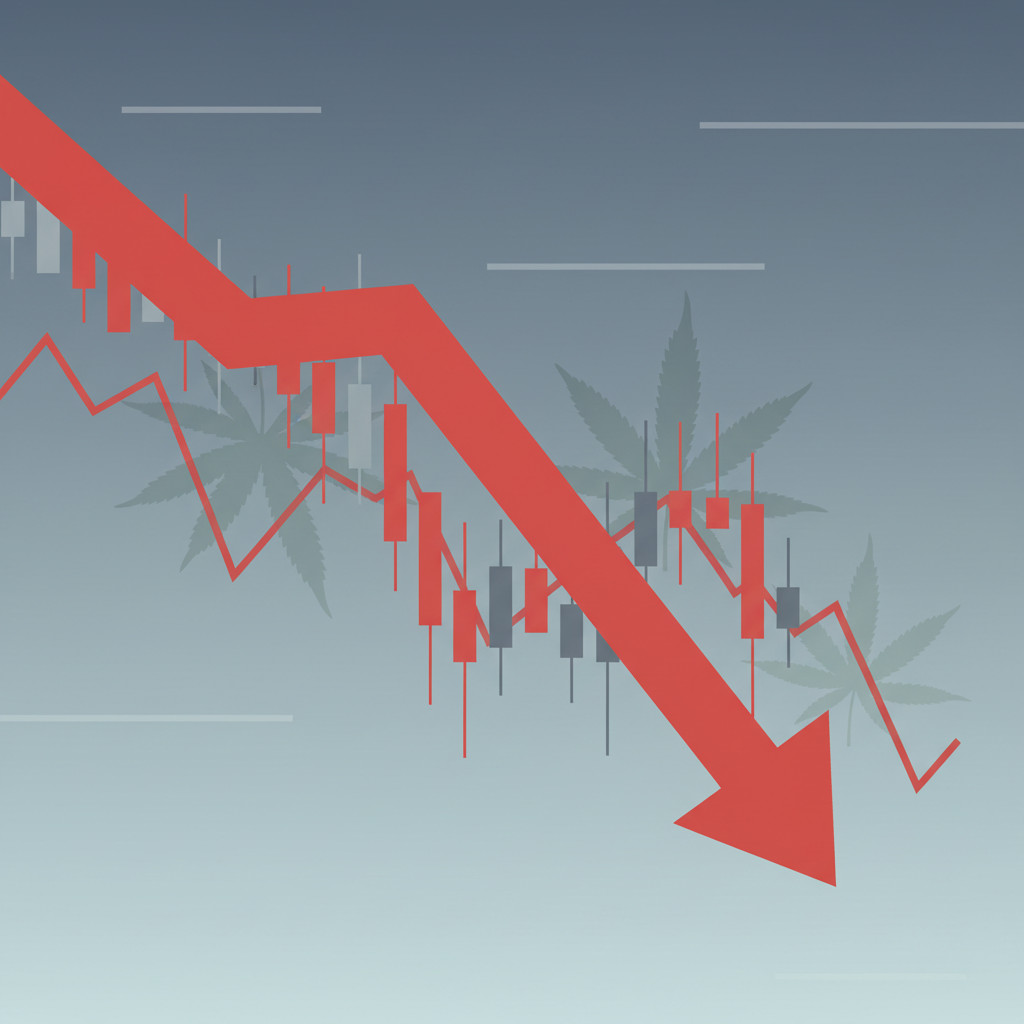
Cannabis stocks sinking is the dominant story in the market today, and it hits investors hard. Over the past year the Global Cannabis Stock Index and many MSO equities have slid sharply. As a result, funds such as MSOS have plunged, and several names lost more than 40 percent.
This trend matters because it affects capital flows, jobs, and industry growth. Moreover, it signals investor skepticism about near term policy changes like rescheduling and 280E reform. Without policy progress the sector may face limited access to mainstream capital. However, a shift in federal rules could reverse sentiment quickly.
Investors should care, because losses compound quickly in concentrated ETFs and small market caps. Therefore, portfolio risk increases when seven stocks dominate ETF holdings. Consequently, individual positions can swing wildly. We will break down the factors behind the sell off. We will highlight key signals to watch and practical steps for cautious investors.
Cannabis stocks sinking: Main reasons behind the sell off
Investors see several clear drivers behind cannabis stocks sinking. Because each factor touches policy, capital, or company fundamentals, the impact is broad. Below are the primary reasons, explained simply.
- Regulatory uncertainty and 280E taxation
- Federal rescheduling remains uncertain. As a result, many investors expect high tax burdens to persist. This reduces profit margins and dampens growth forecasts. A newsletter noted, “I don’t think that the financial reports are what it will take to get things going for cannabis stocks.” For more context see the New Cannabis Ventures analysis.
- Concentration risk within ETFs and MSOs
- MSOS and other funds concentrate holdings. For example, about two thirds of MSOS sits in just three MSOs, and the top seven make up 93.6 percent of the ETF. Therefore, a few weak names can drag the whole fund lower. AdvisorShares’ MSOS page documents the fund and its holdings: AdvisorShares MSOS.
- Weak market performance and valuation reset
- The Global Cannabis Stock Index closed at 5.69 on February 11, 2026, down 3.4 percent in February and 13.7 percent year to date. Since April 30, 2024 the index plunged 51.4 percent, and it has fallen 93.9 percent from its five year peak. As a result, many companies trade far below prior highs, which fuels further selling.
- Macro pressures and capital flight
- Because investors favor less risky sectors, small caps and speculative names suffer. Moreover, limited access to mainstream capital keeps growth constrained, and debt or restructuring news can accelerate declines.
Taken together these factors explain why cannabis stocks are sinking. However, the sector remains sensitive to policy shifts, which could quickly change investor sentiment.
Quick Six Month Snapshot of Major Cannabis Stocks and ETFs
| Stock Name | Ticker | Current Price (approx) | 6 Month Change | Market Capitalization (approx) | Key notes and sources |
|---|---|---|---|---|---|
| AdvisorShares Pure US Cannabis ETF | MSOS | $3.96 | Down in 2026: 16.1 percent YTD; down 64.8 percent since 4/30/24 | Fund AUM varies; concentrated holdings (top 7 = 93.6 percent) | ETF page |
| Trulieve Cannabis Corp | TRUL / TCNNF | See source for current price | See source for 6 month change | See source for market cap | Quote and OTC listing |
| Organigram Holdings Inc | OGI | ~$1.38 | See source for 6 month change | See source for market cap | Yahoo Finance |
| The Scotts Miracle-Gro Company | SMG | ~$63.88 | Two stocks rallied more than 15 percent recently | Market cap ~3.36B (approx) | Yahoo Finance |
| Turning Point Brands Inc | TPB | ~$72.16 | Two stocks rallied more than 15 percent recently | Market cap ~1.78B (approx) | Yahoo Finance |
Notes
- Numbers are approximate and rounded for readability. For example, MSOS currently reports heavy concentration with two thirds of its portfolio in three MSOs, and the top seven holdings represent 93.6 percent of the fund. For details see the AdvisorShares MSOS page.
- Because cannabis equities trade on multiple exchanges and OTC markets, six month percent changes can vary by data provider. Therefore, always check the linked source pages for real time quotes and updated market capitalizations.
- This table illustrates how concentrated holdings and wide valuation swings support the narrative that cannabis stocks are sinking, yet a handful of names can still rally sharply.
Broader impact of Cannabis stocks sinking on the industry and economy
Cannabis stocks sinking has ripple effects beyond traders and portfolios. As a result, business planning, hiring, and expansion face delays. The Global Cannabis Stock Index closed at 5.69 on February 11, 2026, and it sits well below recent highs. Therefore, the industry now must navigate tighter capital markets.
-
Investment slowdowns and capital constraints
- Because public valuations have fallen, venture and public capital slow down. For example, MSOS is down 16.1 percent year to date and has dropped 64.8 percent since April 30, 2024. As a result, companies struggle to raise cheap equity and face higher borrowing costs. See MSOS holdings and concentration for context.
-
Increased regulatory scrutiny and policy risk
- Investors demand clear policy roadmaps. Therefore, uncertainty around rescheduling and 280E taxation raises caution. As one analyst wrote in New Cannabis Ventures, “I don’t think that the financial reports are what it will take to get things going for cannabis stocks.” Read the analysis here.
-
Research development delays and slower product rollouts
- Funding cuts slow clinical trials and product development. Consequently, promising innovations take longer to reach patients and consumers. This outcome reduces long term growth potential.
-
Consumer confidence and industry employment
- Because headlines focus on losses, retail demand can soften. Moreover, companies may freeze hiring or cut staff, which hurts local economies and service providers.
Analysts agree that policy movement could change direction quickly. However, until federal uncertainty eases, the sector will likely face tight capital and slower growth.
CONCLUSION
Cannabis stocks sinking has reshaped investor expectations and industry plans. The sell off reflects regulatory uncertainty, concentrated ETF exposure, and a broad valuation reset. As a result, capital access tightened and some companies cut growth plans.
Investors should note the data. The Global Cannabis Stock Index closed at 5.69 on February 11, 2026. The index is down 3.4 percent in February and 13.7 percent year to date. MSOS fell 16.1 percent year to date and has dropped 64.8 percent since April 30, 2024. Therefore, portfolio risk is real when a few names dominate holdings.
Looking ahead, policy change remains the key catalyst. If rescheduling or 280E reform occurs, markets could rerate quickly. However, until federal clarity arrives, expect slower capital flows and cautious management decisions. Because the sector remains sensitive to headlines, volatility will likely continue.
Frequently Asked Questions (FAQs)
What caused cannabis stocks to sink?
Cannabis stocks sank because of regulatory uncertainty, weak valuations, and concentrated ETF holdings. Federal rescheduling remains unclear, which keeps 280E tax risk active. As a result, investors reduce exposure. Market data shows the Global Cannabis Stock Index fell to 5.69 on February 11, 2026.
Should I sell my cannabis holdings now?
That depends on your goals and risk tolerance. If you need capital or dislike volatility, consider trimming positions. However, long term investors may hold, because policy reform could change valuations. Therefore, rebalance and diversify.
Can policy changes reverse the downtrend?
Yes, rescheduling or repeal of 280E could be a major catalyst. Analysts note policy, not earnings, will likely move markets. If reform happens, investor sentiment could improve quickly.
How does ETF concentration affect my risk?
Concentrated ETFs amplify single stock moves. For example, MSOS has two thirds of its portfolio in three MSOs. Consequently, poor performance at a few firms can drag the whole fund.
How can I stay informed about this sector?
Follow reliable industry trackers and regular news updates. Also monitor policy developments and company reports. Finally, consult trusted sources and a financial advisor before trading.