
Driving Impairment After Cannabis Use
This article examines driving impairment 12–15 hours after cannabis use and what the data really show. Understanding next morning impairment matters because millions drive after evening cannabis consumption. Recent controlled studies used driving simulators and matched cohorts to measure performance. However, findings vary across frequent cannabis users, less frequent users, and study methods.
For example, one study found no significant simulator impairment the morning after smoked cannabis. Yet blood and oral fluid THC concentrations persisted and raised questions about per se THC thresholds. Therefore policymakers and clinicians need clear evidence about residual effects and legal limits.
Because study samples often focus on frequent cannabis users, results may not generalize to casual users. This introduction previews the new Journal of Cannabis Research paper and its implications for law and safety. As a result, readers will get a balanced, research driven view on driving risk, testing, and policy. We outline limitations, evidence gaps, and practical guidance for clinicians and drivers.
Driving impairment 12–15 hours after cannabis use
Driving impairment 12–15 hours after cannabis use refers to residual changes in attention, reaction time, and motor control the morning after evening cannabis use. Because THC is lipophilic, it can remain detectable in blood and oral fluid long after subjective intoxication fades. Health authorities warn that cannabis affects lane keeping, divided attention, and hazard response. See CDC for an overview of cannabis and driving.
What this impairment can look like
- Slower reaction times, which reduce the ability to respond to sudden hazards. However, measured effects vary by study and task.
- Reduced divided attention, which impairs multitasking such as checking mirrors while navigating. Therefore complex traffic situations become more risky.
- Slightly increased lane weave or variability in steering, sometimes measured as SDLP in simulators.
- Residual drowsiness or cognitive fog, especially when cannabis combines with poor sleep or alcohol.
Why drivers should care
THC pharmacokinetics create a window where concentrations persist despite weak or absent symptoms. For a technical review of THC metabolism and residual levels, see PubMed. Because per se THC thresholds do not perfectly predict behavior, legal limits and testing can misclassify risk. The National Institute on Drug Abuse discusses crash risk and testing complexities.
In short, residual effects, frequency of use, and test limits all shape next day driving risk. As a result, drivers should plan safe transport if they used cannabis the night before.
| Time frame | Symptom description | Typical impairment severity | Safety recommendations and notes |
|---|---|---|---|
| Immediate effects (0–3 hours) | Strong euphoria, slowed reaction time, impaired judgment, and poor coordination. Often heightened sensory perception and reduced hazard awareness. | High. Acute cognitive and motor impairment common. | Avoid driving for at least several hours after use. Do not mix with alcohol. For more on acute crash risk see CDC. |
| 12–15 hours after cannabis use | Residual slowed reactions, slight divided attention deficits, and possible increased lane weave. THC often remains detectable in blood and saliva. | Low to Moderate and highly variable by user. Frequent users may show less measurable simulator impairment. However less frequent users could be more affected. | Use caution when driving the next morning. Consider alternate transport if you feel drowsy or unfocused. Note that blood THC does not perfectly predict behavior. See review on THC metabolism. |
| Long term residual effects (chronic use) | Subtle cognitive changes in attention and memory for some heavy users. Baseline driving performance may adapt over time. | Variable. Long term changes are generally small but may affect complex tasks. | For chronic users, routine risk assessment helps. Therefore clinicians should discuss cannabis driving safety and cognitive effects of cannabis with patients. For testing limits and policy context see NIDA. |
Notes: This table summarizes common findings in simulator and pharmacokinetic studies. Related keywords: cannabis driving safety, cognitive effects of cannabis, SDLP, THC concentrations, residual effects.
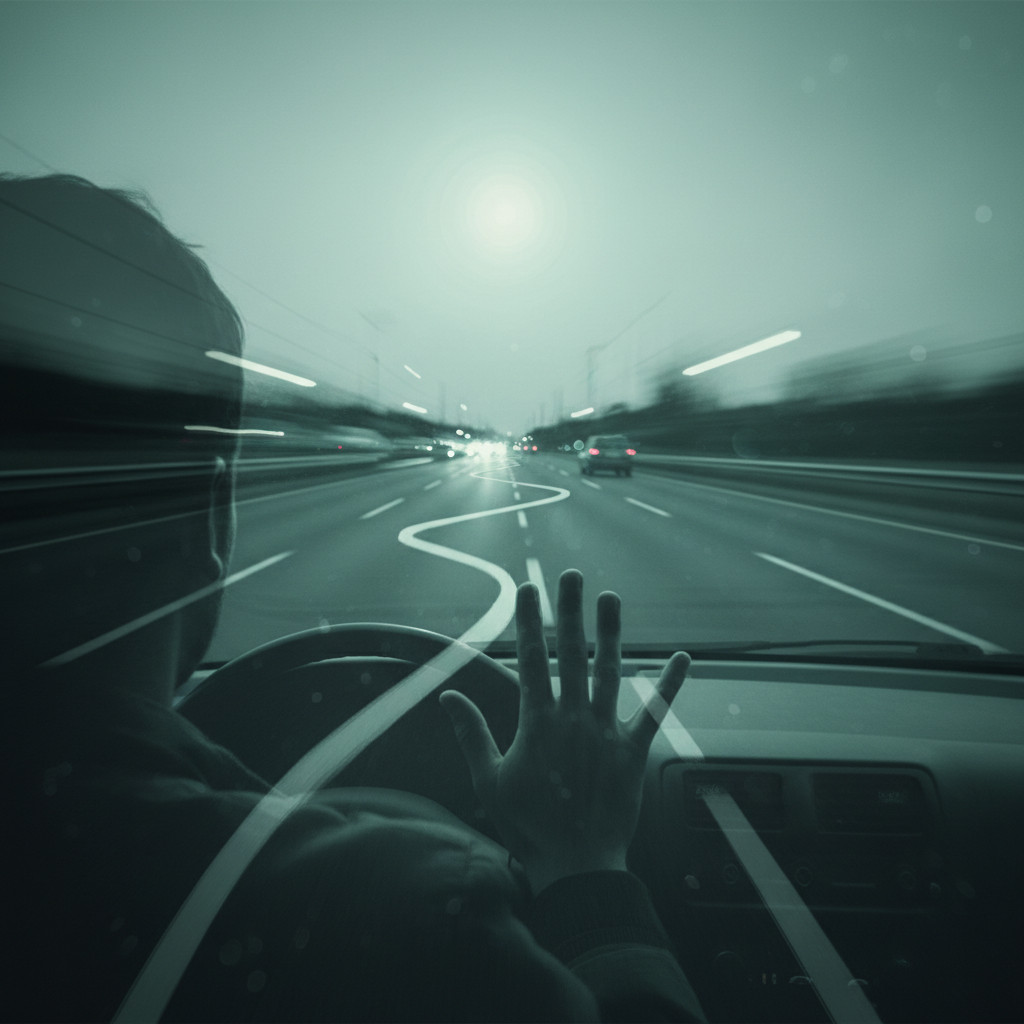
Scientific evidence and studies on driving impairment 12–15 hours after cannabis use
Recent controlled research examined next morning effects after evening smoked cannabis. One study in the Journal of Cannabis Research compared 65 frequent cannabis users with 65 matched non-users. Participants completed standard driving and a more demanding dual task in a driving simulator. The study found no statistically significant impairment in the cannabis group after correcting for multiple comparisons. However, THC remained detectable the next morning. Full study details: Journal of Cannabis Research.
Key study findings and facts
- Sample and matching: 65 frequent cannabis users (four or more uses weekly) versus 65 matched controls. Therefore groups were balanced for age and driving experience.
- Biological measures: mean blood THC the morning after was 2.8 ng/mL, median 1.2 ng/mL. Oral fluid THC averaged 31 ng/mL. Thus THC can persist while performance looks unimpaired.
- Driving measures: standard driving and dual task scenarios assessed lane position and reaction times. Across tasks, measured simulator impairment did not reach statistical significance after adjustments.
- Caveat on per se limits: blood and oral fluid THC concentrations may not reliably predict driving behavior. As a result, per se THC thresholds can misclassify risk.
Broader evidence and limitations
Because THC is lipophilic, residual levels can persist in frequent users. Meta analyses and reviews discuss acute crash risk and testing complexities; see PubMed review: PubMed Review and NIDA guidance: NIDA Guidance.
Limitations remain. Samples often focus on frequent cannabis users and simulator outcomes. Therefore larger studies are needed. In addition, less frequent users and real-world driving deserve study. Overall, evidence is cautious, technical, and inconclusive on universal next morning impairment.
Understanding driving impairment 12–15 hours after cannabis use means balancing measured simulator outcomes, detectable THC levels, and user variability. Recent research showed that frequent nightly users sometimes exhibit no measurable simulator impairment the next morning. Yet blood and oral fluid THC often remain detectable. However, study limits and small samples mean results do not prove safety for all drivers. Therefore clinicians, policymakers, and drivers should treat next‑morning use cautiously.
Frequently Asked Questions (FAQs)
Will I be impaired 12–15 hours after using cannabis?
Short answer: maybe. Research shows variability by dose, product, and user history. Frequent users in one controlled study showed little measurable simulator impairment the next morning. However THC often stayed detectable in blood and oral fluid. Therefore absence of clear symptoms does not guarantee normal performance. For more on crash risk and testing complexities see NIDA.
Does a positive THC test mean I cannot drive safely the next morning?
No, a positive test does not always equal impairment. Because THC is lipophilic, it can remain in the body long after intoxication fades. As a result blood or saliva levels may not match driving performance. However high concentrations or combined use with alcohol increase risk. See a technical review on THC persistence: PubMed.
Are frequent cannabis users less impaired the next morning?
Possibly. Frequent users may develop tolerance to some effects. In the Journal of Cannabis Research study, frequent users showed little simulator impairment at 12–15 hours. Yet the finding is not universal. Therefore more studies of diverse users are needed.
How do divided attention and reaction time change 12–15 hours later?
Evidence suggests subtle effects for some people. Specifically, divided attention and reaction speed can remain slightly reduced. In driving simulators this sometimes appears as increased lane variability. However measured severity varies by task and user.
What practical safety steps should I take after evening cannabis use?
- If you feel drowsy or unfocused, do not drive.
- Give yourself extra hours after use, especially after high doses.
- Avoid mixing cannabis with alcohol or sedatives.
- When unsure, choose alternate transport or delay driving. For general guidance on cannabis and driving see CDC.