Kyrgyzstan hemp cultivation prospects: Why it matters
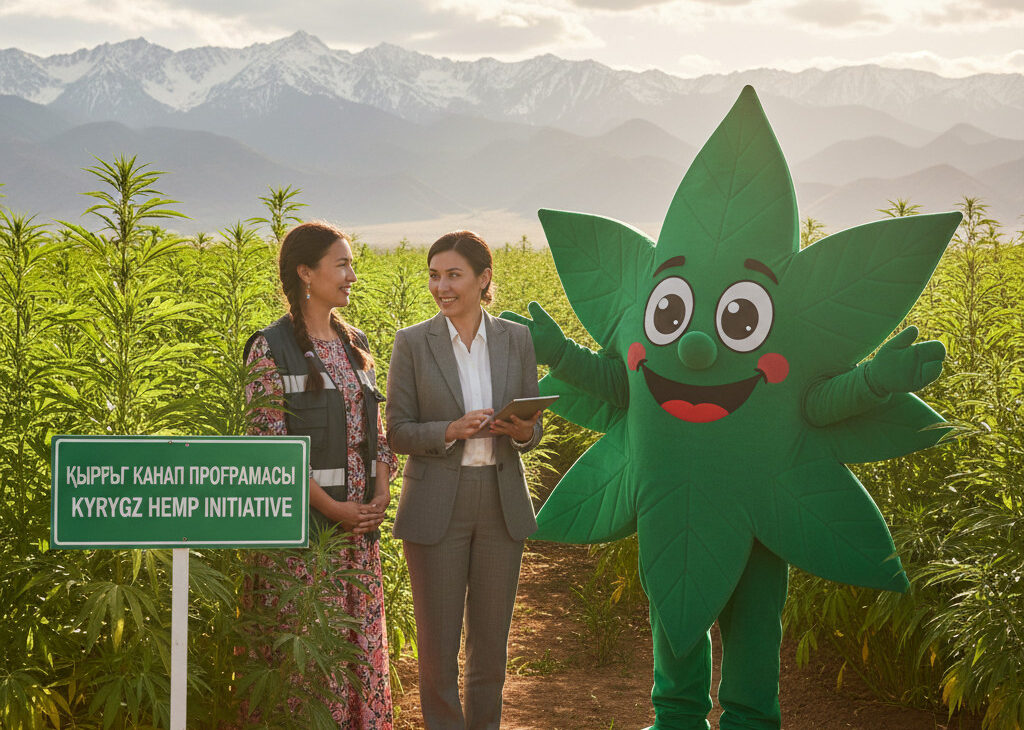
Kyrgyzstan hemp cultivation prospects are gaining fresh attention as lawmakers and farmers weigh new policy options. Because the country sits within cannabis’s historical range, wild plants already grow in places such as the Chui Valley. However, current law does not distinguish hemp from marijuana, and unauthorized planting can bring fines or prison. Therefore, any move toward industrial hemp would require clear rules on licenses, testing, and processing. Moreover, local hemp could feed textiles, bags, and clothing production, and thus reduce reliance on imports from Turkey and China.
This introduction outlines the stakes and the opportunities. First, it explains how hemp links to agricultural land, wild cannabis populations, and regional shifts in Kazakhstan and Uzbekistan. Second, it frames economic prospects for farmers and manufacturers. Finally, it previews policy changes that could unlock medicinal crops and industrial hemp for Kyrgyzstan. As a result, readers will gain an early, transparent view of what successful hemp programs might look like, and why MyCBDAdvisor considers careful, evidence-based reform essential.
Kyrgyzstan hemp cultivation prospects: Opportunities and challenges
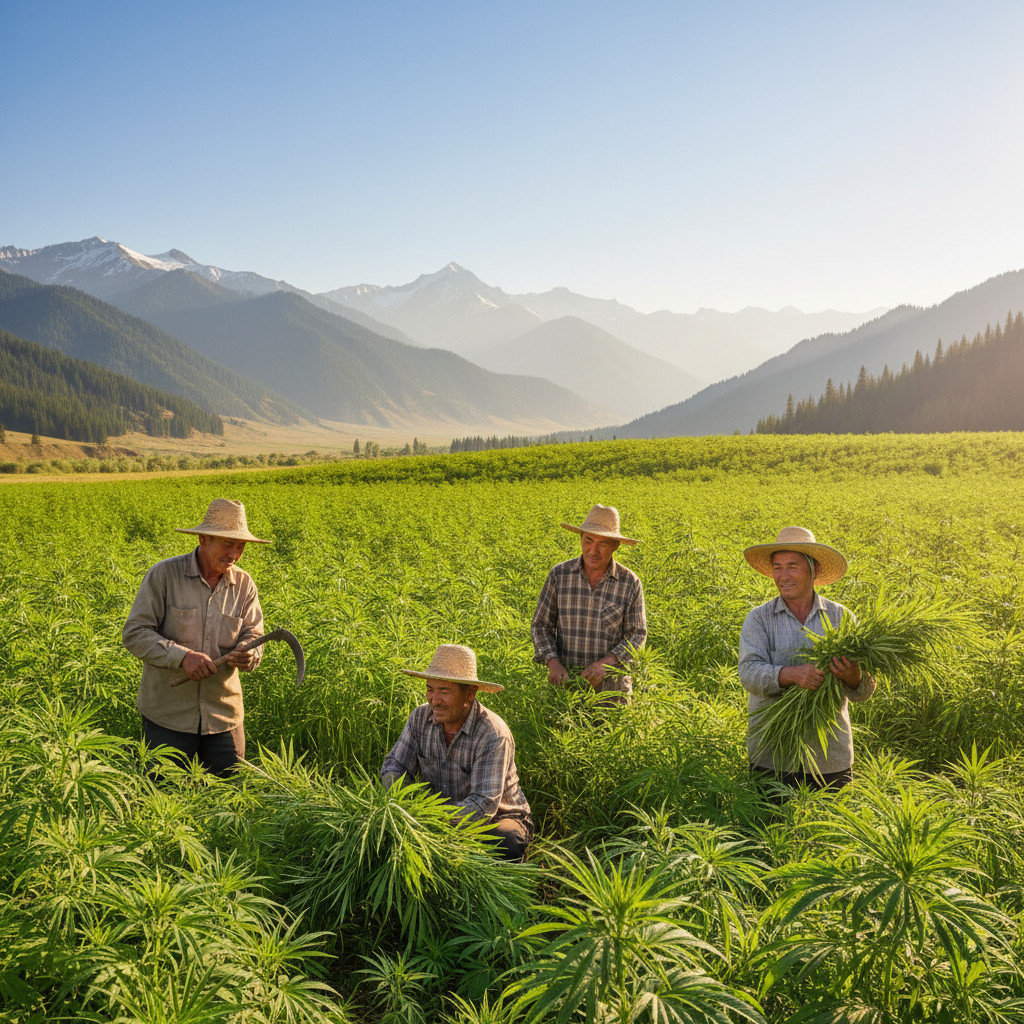
Kyrgyzstan could tap a natural advantage for hemp farming. Because wild cannabis grows in regions like the Chui Valley, the climate and soils suit hemp. However, legal and infrastructural gaps limit this potential.
Opportunities
- Agricultural capacity: Kyrgyzstan has about 1.2 million hectares of arable land, offering room for pilot hemp projects. According to FAO, this land base supports crop planning.
- Economic benefits: Hemp farming could produce raw fiber and seed for textiles, clothing, and industrial uses. Moreover, local hemp-based fabrics may reduce imports from Turkey and China.
- Regional alignment: Kazakhstan, Uzbekistan and China already run hemp programs. Therefore, Kyrgyzstan could join a growing cross-border hemp economy.
- Existing wild stocks: With roughly 40,000 hectares of wild cannabis, farmers and researchers can evaluate local genotypes for low THC industrial strains.
- Value chain potential: Processing facilities could create jobs in rural areas. In addition, small processors can serve domestic textile and packaging markets.
Challenges
- Legal status: Current narcotics law treats all cannabis as a controlled substance. As a result, unauthorized cultivation risks fines or imprisonment.
- Regulatory design: Kyrgyzstan needs clear licensing, THC testing and traceability rules. Without them, investors will avoid the sector.
- Infrastructure and finance: Processing plants, seed certification and cold chains need investment. Otherwise, farmers face low margins.
- Market competition: Turkey and China dominate hemp textiles. Therefore, Kyrgyz producers must focus on niche quality or regional markets.
- Social and enforcement risks: Stigma and inconsistent law enforcement could deter farmers. Moreover, cross-border wild growth complicates compliance.
Climate and agronomy notes
- The country offers varied climates from valleys to highlands. As a result, farmers can trial different hemp varieties.
- Irrigation matters because many arable areas need water management World Bank.
- Additionally, altitude influences fiber quality and growing season length.
In sum, Kyrgyzstan hemp cultivation prospects are promising but conditional. Policy reform, targeted investment and pilot programs could unlock economic and environmental gains.
Comparison of Kyrgyzstan Hemp Cultivation Prospects with Neighboring Countries
| Factor | Kyrgyzstan hemp cultivation prospects | Kazakhstan | Uzbekistan | China |
|---|---|---|---|---|
| Climate suitability | Temperate valleys and highlands; suitable for hemp trials, but irrigation is needed. | Continental steppe climate suits large scale hemp farming and fiber crops. | Warm continental zones allow industrial hemp in controlled regions. | Varied climates support year-round hemp cultivation and diverse varieties. |
| Legal framework | All cannabis falls under the 1998 narcotics law; no clear hemp licensing exists. | Legalized industrial hemp with licensing and processing permits in place. | Government allows hemp farming under state control for industrial uses. | Established regulatory system and extensive licensing for industrial hemp. |
| Market potential | Local demand for hemp-based fabrics and textiles could reduce imports from Turkey and China. | Growing domestic processing and export markets; investors show interest. | Focus on state-managed textile supply chains and industrial manufacturing. | Large domestic industry and global export markets for fiber and seed. |
| Infrastructure and processing | Limited processing facilities; needs investment in mills and seed certification. | Emerging processing hubs and investor-backed fiber mills. | State-run processing with developing private partnerships. | Advanced processing, large-scale mills, and vertically integrated supply chains. |
| Wild cannabis presence | Roughly 40,000 hectares of wild cannabis, notably in the Chui Valley; useful for genotype research. | Wild and cultivated stocks exist; research supports breeding programs. | Some wild growth at borders; controlled cultivation dominates. | Wild growth minimal relative to cultivated, but breeding programs are strong. |
| Key challenges | Legal reform, THC testing rules, finance and market access remain obstacles. | Coordination on quality standards and export regulations is needed. | Scaling private investment while maintaining state oversight is a challenge. | Competition and regulatory compliance for international markets pose hurdles. |
| Opportunities | Pilot hemp farming, niche textile production, rural job creation, and reduced import dependence. | Export growth, license issuance, and regional processing leadership. | Industrial textiles and government-backed value chains. | Innovation in fiber products, CBD research, and global trade leadership. |
This table highlights how Kyrgyzstan hemp cultivation prospects compare regionally. It shows where policy and investment could unlock agricultural and textile value chains.
Economic and social impact of Kyrgyzstan hemp cultivation prospects
Hemp farming could change rural economies and community livelihoods. Because industrial hemp has multiple uses, it can diversify farmer incomes. Moreover, pilot projects may create jobs in processing and textiles. Below we outline tangible economic and social benefits and the risks that policymakers must manage.
Economic benefits
- Job creation: Processing mills, seed production and textile workshops can employ rural workers. As a result, local unemployment may fall.
- Income diversification: Farmers can add hemp to crop rotations. Therefore, households avoid single crop risk and gain steady cash flow.
- Value chain growth: Local processing for hemp-based textiles could reduce imports from Turkey and China. In addition, small and medium enterprises can enter packaging and construction markets.
- Export and market potential: With regional alignment, Kyrgyz producers could access markets in Kazakhstan, Uzbekistan and beyond. For industry insights see HempToday.
Social and community impacts
- Rural development: Infrastructure investments for hemp can improve roads and utilities. Consequently, whole communities may benefit.
- Skills and training: Hemp cultivation requires new agronomic and processing skills. Therefore, training programs can boost human capital.
- Public health and stigma: Clear regulation reduces illicit cultivation and associated enforcement risks. Moreover, public education can lower stigma around industrial hemp.
Environmental and sustainability gains
- Soil health: Hemp can improve soil structure and reduce erosion. As a result, it supports sustainable land use.
- Low chemical needs: Many hemp varieties need fewer pesticides than cotton. Therefore, farmers may cut input costs and reduce pollution.
Caveats and policy needs
- Legal clarity and testing rules are essential to protect farmers from penalties. For context on arable land and agriculture planning see FAO and World Bank.
- Additionally, access to finance and processors will determine whether economic benefits reach smallholders.
In short, Kyrgyzstan hemp cultivation prospects offer measurable economic and social gains. However, these gains rely on careful policy, investment and community engagement.
Conclusion
Kyrgyzstan hemp cultivation prospects show clear economic, environmental, and regional opportunities for farmers and policymakers. However, legal reform and THC testing frameworks must come first to protect growers and attract investment. Moreover, pilot projects can prove agronomic suitability across valleys and highlands, because local genotypes exist. As a result, hemp farming could diversify incomes, create rural jobs, and support textile value chains.
MyCBDAdvisor supports transparent, research-driven guidance on hemp and CBD to help stakeholders decide. Visit MyCBDAdvisor for evidence-based analysis, resources, and practical next steps. Ultimately, careful reforms could make Kyrgyzstan a regional hemp partner. Finally, stakeholders should prioritize pilot programs, monitoring, and market development so.
Frequently Asked Questions (FAQs)
Is industrial hemp legal in Kyrgyzstan?
Currently, Kyrgyzstan regulates all cannabis under the 1998 narcotics law. As a result, the law does not distinguish hemp from marijuana. Unauthorized hemp farming can bring fines or imprisonment. However, lawmakers are discussing reforms and a draft framework could permit licensed hemp farming with THC testing.
What economic benefits could hemp farming bring?
Hemp offers job creation in processing and textiles, income diversification for smallholders, and rural development. Local hemp-based fabrics could reduce imports. In short, industrial hemp can strengthen local value chains and create new markets.
Does the climate suit hemp cultivation?
Yes. Kyrgyzstan lies within cannabis’s historical range and wild cannabis grows in the Chui Valley. Varied climates let farmers trial different hemp varieties. However, irrigation and altitude affect fiber quality and yields.
What challenges will farmers face?
Major challenges include unclear legal status, lack of licenses, limited processors, and scarce finance. Also, market competition from Turkey and China and social stigma can hinder adoption.
How can stakeholders get involved safely?
Start with pilot projects, research local genotypes, and partner with experienced processors. Policymakers should set clear testing rules and licenses. Private investors should support farmer training and processing infrastructure.