
Georgia bill to limit police searches based on cannabis odor
Recent changes in Georgia put a new Georgia bill to limit police searches based on cannabis odor in spotlight. Lawmakers propose narrower probable cause rules to prevent searches based on scent alone. This matters for people using hemp, CBD, or legal hemp products across the state. As a result, consumers, retailers, and legal advocates need clear guidance.
Because hemp often shares terpenes and aromatic compounds with THC-rich cannabis, this bill has sparked debate about how officers identify illegal substances, whether sensory detection should count as objective probable cause, and how to balance public safety with civil liberties for users and businesses; therefore the outcome could reshape policing practices, influence prosecutions, and affect everyday decisions for anyone who buys or uses CBD, hemp flower, or hemp-derived products in Georgia, making it essential reading for people who care about legal clarity and consumer protections, and how local courts might interpret evidence in stops and seizures.
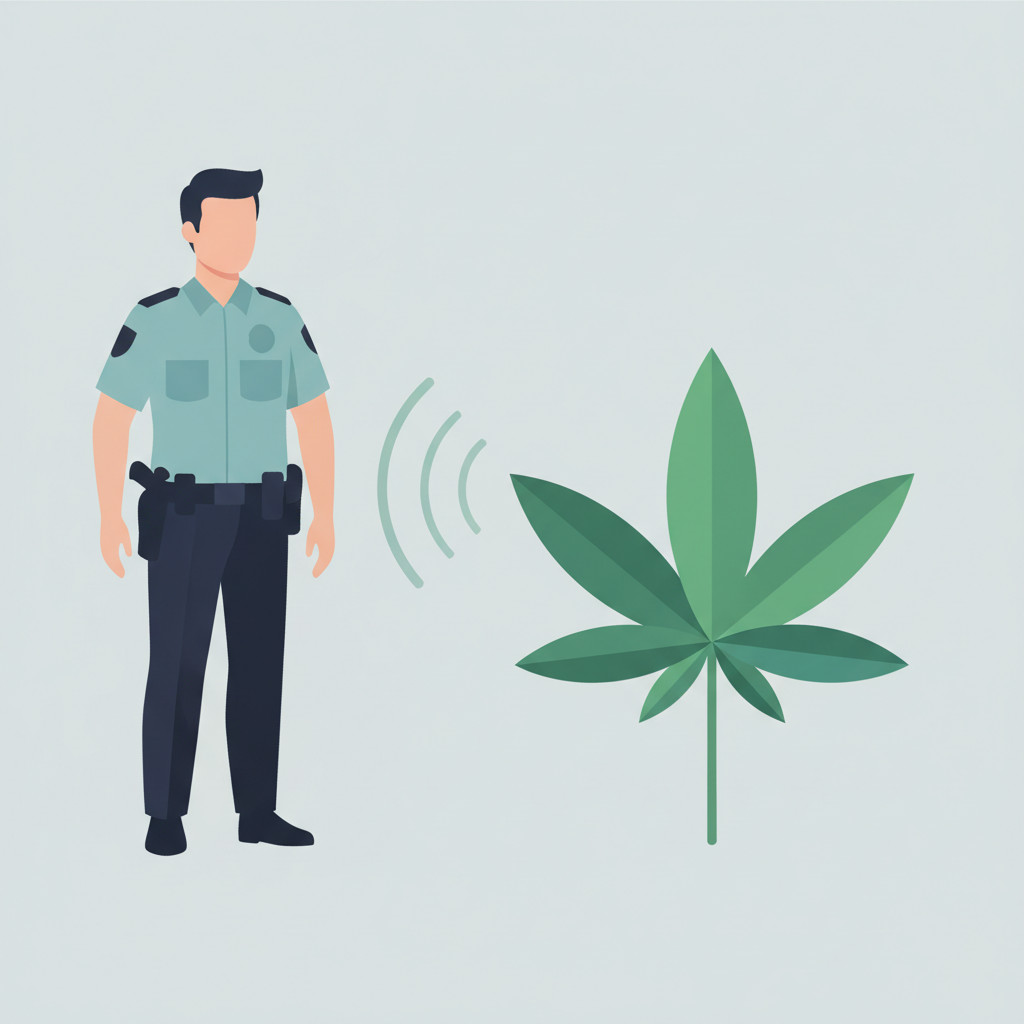
Image source: https://mycbdadvisor.com/wp-content/uploads/2026/05/img-georgia-cannabis-odor-police-image-01.jpg
Georgia bill to limit police searches based on cannabis odor explained
The proposed Georgia bill to limit police searches based on cannabis odor seeks to curb stops, searches, seizures, and arrests that rely solely on the smell of cannabis. In plain terms, the legislation would prevent officers from using cannabis odor as the only probable cause for a search. Instead, it requires additional, objective evidence before a search or arrest can occur. This change would narrow the current scope of police searches and emphasize clearer, more concrete standards for probable cause.
Under current practice, officers in Georgia can cite the scent of marijuana or hemp as one factor when deciding to search a vehicle or person. However, because legal hemp and many CBD products share aromatic terpenes with THC-rich cannabis, relying on smell alone can create false positives. Therefore the bill aims to protect lawful consumers and retailers from unreasonable intrusions while still allowing law enforcement to act when stronger evidence exists. As a result, routine encounters where hemp odor is present—but no other signs of illegal activity—would be less likely to lead to searches.
Why this matters
- Police searches: The measure limits when officers can use their senses as the sole legal justification for a search. This could reduce warrantless searches and related arrests.
- Cannabis odor: The bill recognizes that odor alone may not reliably indicate criminal activity, especially given hemp’s legal status.
- Legal reform: The proposal represents a targeted legal reform that balances civil liberties and policing tools. It may prompt courts to reassess what constitutes reasonable suspicion and probable cause in drug-related stops.
Supporters, including State Representative Akbar Ali, argue that the bill would prevent unnecessary searches and protect consumers of legal hemp and CBD. Opponents, like State Representative Brian Strickland, counter that officers’ senses are essential investigative tools and that restricting reliance on odor could hinder public safety. For more reporting on the bill and reactions from lawmakers, see Ganjapreneur and Atlanta News First.
Related keywords: probable cause searches, cannabis odor, hemp vs marijuana odor, unreasonable searches, HB496, legal reform.
| Aspect | Old Law | New Law |
|---|---|---|
| Probable cause standard | Odor alone could establish probable cause for a search. | Odor alone cannot establish probable cause; additional objective evidence required. |
| Evidence required | Officer sensory detection often sufficed. | Requires corroborating facts or objective indicators beyond smell. |
| Treatment of hemp and CBD | Hemp scent was often treated the same as marijuana odor in practice. | Recognizes hemp’s legality, so scent is less weighty as evidence. |
| Officer discretion | High discretion allowed officers to search based on smell. | Limits discretion; officers must show more specific indicators. |
| Warrantless searches | More warrantless searches occurred when scent was cited. | Fewer warrantless searches if smell is the only factor. |
| Impact on arrests | Odor-based stops sometimes led to arrests and charges. | Reduces arrests when only cannabis odor is present. |
| Court review and prosecutions | Courts often deferred to officer testimony about scent. | May prompt stricter judicial scrutiny of odor-based evidence. |
Georgia bill to limit police searches based on cannabis odor: social and legal impact
The Georgia bill to limit police searches based on cannabis odor could reshape everyday policing. Supporters say it will protect citizens from unwarranted searches. However, opponents warn it could remove a useful investigative tool. Therefore the debate balances civil liberties and public safety.
Potential benefits
- Reducing wrongful stops and searches. For example, a driver carrying legal hemp flower might no longer face a search based only on scent. As a result, fewer lawful consumers and retailers may experience intrusive encounters.
- Stronger evidentiary standards. The bill pushes officers to gather objective indicators, not just sensory impressions. Consequently, prosecutions relying on odor alone would face higher judicial scrutiny.
- Clarifying law for courts and police. Over time, courts would refine what counts as reasonable suspicion and probable cause in drug cases.
Potential challenges
- Operational friction for police. Officers may feel constrained during traffic stops or field investigations. For instance, an officer smelling cannabis but lacking other signs might delay action. However, departments can address this with training and updated protocols.
- Evidence and enforcement gaps. Critics argue that limiting odor as probable cause could let some illegal activity go undetected. Therefore lawmakers and law enforcement must craft clear exceptions and guidance.
Impact on the cannabis community and consumers
Consumers of hemp and CBD may gain greater protection from searches and arrests. Yet retailers may still face compliance checks when other indicators of illegal activity appear. For recent reporting and legislative context, see Ganjapreneur and Atlanta News First. You can also search official bill records at the Georgia General Assembly site for updates on the measure and committee activity.
CONCLUSION
The Georgia bill to limit police searches based on cannabis odor marks a practical step toward clearer policing standards. It aims to prevent searches that rely on scent alone. Therefore it favors stronger, objective evidence before an intrusion occurs. This change could reduce unnecessary stops for hemp and CBD consumers.
For citizens, the law would offer greater protection of privacy and property. Consumers and retailers may face fewer intrusive encounters because smell alone would carry less weight. For law enforcement, the bill asks officers to pair sensory observations with other facts. Consequently departments will likely update training and procedures to meet new legal expectations.
MyCBDAdvisor stands ready to help readers navigate these changes. We provide accurate cannabinoid information and practical guidance. Visit MyCBDAdvisor for reliable resources and updates. Our mission is to inform consumers, support lawful businesses, and promote safe, informed choices about hemp and CBD.
Frequently Asked Questions (FAQs)
What does the Georgia bill to limit police searches based on cannabis odor do?
– It would prevent officers from using cannabis scent alone as probable cause.
– It requires other objective indicators before a search.
Who would benefit from this change?
– Consumers and hemp retailers would face fewer intrusive stops.
– Legal hemp users who share aroma with marijuana would gain added protection.
Will the bill stop police from investigating illegal cannabis activity?
– No. Officers may still act when they have additional evidence beyond scent.
– Odor becomes one factor among several rather than the sole justification.
Could this make policing harder?
– Some officers say it may limit quick decisions during stops.
– Departments can address concerns through training and updated protocols.
What is the bill’s current status?
– The measure is under consideration in the Georgia House and has not yet passed.
– For updates, consult official legislative records.
When would the bill take effect if passed?
– Usually laws take effect on signature or on a date set in the bill.
– Review the bill text on the Georgia General Assembly site for the exact date.