
Intoxicating hemp ban: What consumers and industry need to know
The intoxicating hemp ban is reshaping the market for hemp and CBD products. Because regulators aim to limit THC exposure, they have proposed strict product caps. As a result, manufacturers, retailers, and consumers face fast and deep changes to product formulation and distribution.
This policy is urgent now because the ban takes effect at the end of this year unless lawmakers delay it. However, the rule includes a 0.4 milligram THC per container limit that could eliminate many current CBD formulations. For consumers, this may reduce product choices and complicate dosing decisions.
For industry stakeholders, uncertainty drives compliance risks and supply chain shifts. Moreover, states are already moving to preserve in state markets while federal rules are debated. Therefore businesses should strengthen lab testing and update labeling practices now.
We will unpack the science, the legal timeline, and the likely market consequences in plain language. By the end, you will understand what the ban means for safety, trust, and access to hemp derived cannabinoids.
Intoxicating hemp ban: Origins, legal context, and why it matters
The intoxicating hemp ban narrows what counts as legal hemp. Because regulators now treat all THC forms as a combined total, finished products face strict caps. Therefore, producers and consumers must rethink formulations, labeling, and supply chains.
What the ban is at a glance
- It sets a 0.4 milligram total THC per container limit for finished consumer products, effectively banning many intoxicating hemp items. This is not a dry weight cap. It is a per container limit.
- The change stems from recent federal action that tightened the hemp definition. As a result, cannabinoids such as delta-8 face new scrutiny.
- The legal context blends hemp regulations and cannabinoid laws. States may still regulate in-state markets, while federal hemp legality shifts for interstate commerce.
Key drivers behind the rule
- Widespread mislabeling and inconsistent lab reports undermined consumer trust. Consequently regulators sought stricter standards.
- Rapid growth of gas-station gummies and synthetic variants pressured lawmakers. Therefore policy aimed to close perceived loopholes.
- Industry uncertainty and a long policy vacuum led to calls for clearer hemp legality and testing rules.
For more on how small retailers could be affected, see this article. For consumer comparisons of CBD and delta-9, visit this comparison. To learn how cannabinoids help pain, read this guide.
Lawmakers are now considering delays and fixes. For details on the bipartisan delay effort, see this press release. The U.S. Hemp Roundtable has commented on the bill and its implications here.
| State | Stance on intoxicating hemp ban | Enforcement policy | Notable penalties or exceptions | Notes |
|---|---|---|---|---|
| California | Generally permissive for hemp derived products, but regulators focus on safety | State agencies require testing and accurate labeling, local enforcement varies | Civil fines, product seizures for mislabeling or unsafe products | Large established market, separate adult use marijuana rules |
| Colorado | Permissive, with robust regulation of cannabis and hemp products | Rigorous testing for THC levels and contaminants | License actions, fines for noncompliance | Long history of state cannabis oversight |
| Texas | Mixed approach, cautious on intoxicating formulations | Targeted enforcement where products appear intoxicating | Civil penalties and in some cases criminal referrals | In state hemp policy is evolving rapidly |
| Florida | Allows hemp products but cracks down on intoxicating variants | Inspections and lab checks by state regulators | Fines and retailer license issues for violations | Local enforcement emphasis varies by county |
| Idaho | Restrictive stance historically, strict THC limits in practice | Strict enforcement and close scrutiny of products | Reported criminal charges in serious cases, product seizures | State maintains narrow allowances for hemp |
| Kentucky | Pro hemp cultivation, product sale rules vary | Focus on lab testing and chain of custody | Fines and seizures for mislabeled items | Strong agricultural hemp industry influence |
| North Carolina | Moderate approach, permits in state sales with rules | Variable enforcement across agencies and localities | Administrative fines and product holds | State seeks balance between consumer safety and access |
| Oregon | Permissive market with strict testing standards | Licensed testing and clear labeling requirements | Civil penalties and license enforcement for noncompliance | Integrated market for hemp and cannabis products |
This table offers a snapshot of how states differ on the intoxicating hemp ban and hemp regulations. Laws and enforcement change often, therefore consult state regulators for current rules.
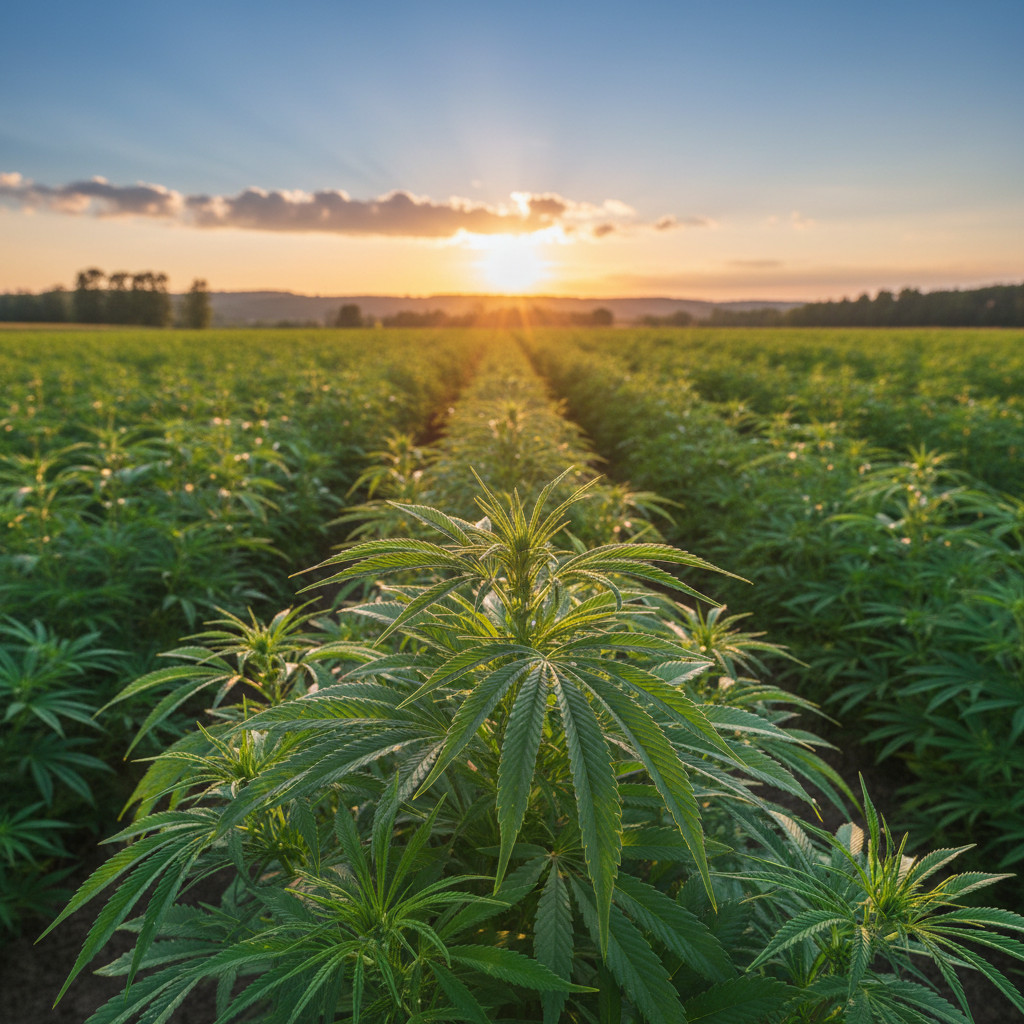
Intoxicating hemp ban: What it means for CBD consumers
Consumers will see fewer full-spectrum options and stronger labeling rules. Because the 0.4 mg per container limit is strict, many existing CBD oils and gummies may not comply. As a result, product choices could shrink and dosing will become harder. Consumers should check third-party lab reports and choose reputable brands. Moreover, expect higher prices as manufacturers reformulate.
Intoxicating hemp ban: Hemp industry impact and growers
Hemp growers face crop and market shifts. Many farmers will need to change contracts or redirect crops to fiber or seed. Processing facilities must adjust extraction methods to meet new THC caps. Therefore, supply chains may shorten and in-state markets could grow. Small processors and retailers risk being squeezed out of the market.
Intoxicating hemp ban: Legal risks and business challenges
Businesses now face compliance and legal exposure. Regulators may enforce labeling, testing, and interstate restrictions. Consequently sellers could face fines, product seizures, or license issues. Companies should strengthen quality assurance, use validated labs, and keep detailed chain of custody records. Finally, monitor pending legislation like the Hemp Planting Predictability Act, because delays or changes might follow.
Intoxicating hemp ban: What to watch next
Watch for federal delays, state workarounds, and testing standard shifts. As a result, the CBD market could reshape over the next two years.
Conclusion: Intoxicating hemp ban — final thoughts
The intoxicating hemp ban changes federal hemp rules quickly. Because it limits total THC to 0.4 mg per container, many current CBD products may vanish. Consumers should prioritize tested brands and clear labels. Therefore, businesses must improve testing, quality assurance, and legal monitoring.
Additionally, we recommend safe consumption, verified lab reports, and checking local law. Stay calm and proactive. Together, consumers and businesses can adapt and keep access to trustworthy hemp products. Check state rules regularly, because laws and enforcement evolve quickly and unpredictably.
Frequently Asked Questions (FAQs)
What is the intoxicating hemp ban and does it affect CBD products?
The intoxicating hemp ban limits total THC in finished products to 0.4 milligrams per container. As a result, many full spectrum and delta-8 products may no longer comply. Consumers should expect fewer products and reformulations.
Is the intoxicating hemp ban legal nationwide now?
The federal rule is set to take effect soon, but Congress may delay implementation. Meanwhile, states can set their own enforcement rules. Therefore state hemp laws and hemp regulations vary widely.
How does this impact consumer safety and lab testing?
The ban aims to improve safety by curbing mislabeled and unexpectedly potent products. However, consistent testing standards remain critical. As a result, choose brands with verified third party lab reports.
What risks do businesses and growers face under the new rules?
Companies face compliance costs, product seizures, and fines. Growers may lose markets for cannabinoid rich crops. Consequently businesses should strengthen quality assurance and legal monitoring.
How will state differences shape the CBD market moving forward?
States will likely create patchwork rules that affect interstate commerce. Therefore some in state markets may persist while interstate sales narrow. Expect regional variation in product availability and pricing.