
Jim Belushi on Weed, His Latest Movies and the Mess We’re in Right Now
Jim Belushi on Weed, His Latest Movies and the Mess We’re in Right Now captures a startling cultural knot. He treats cannabis as a craft and a calling, and he promotes Belushi’s Farm with plain zeal. However, his newest films — The Chronology of Water and Song Sung Blue — reveal a restless artist. Because he filmed one in Latvia on 16mm and made four movies last year, his creative life feels urgent. Yet the story does not stop at celebrity; it sprawls into policy and price wars, because hemp derived beverages still sell despite safety questions, because Oregon’s cannabis scene suffers fires, tourism drops and radical debates, because taxes and licensing distort markets from Illinois to Michigan, and because Belushi’s strains like Big Sur Holy Weed and The Sage face price compression and market squeeze; therefore this piece follows his art, his farm and the messy policy landscape he now fronts.
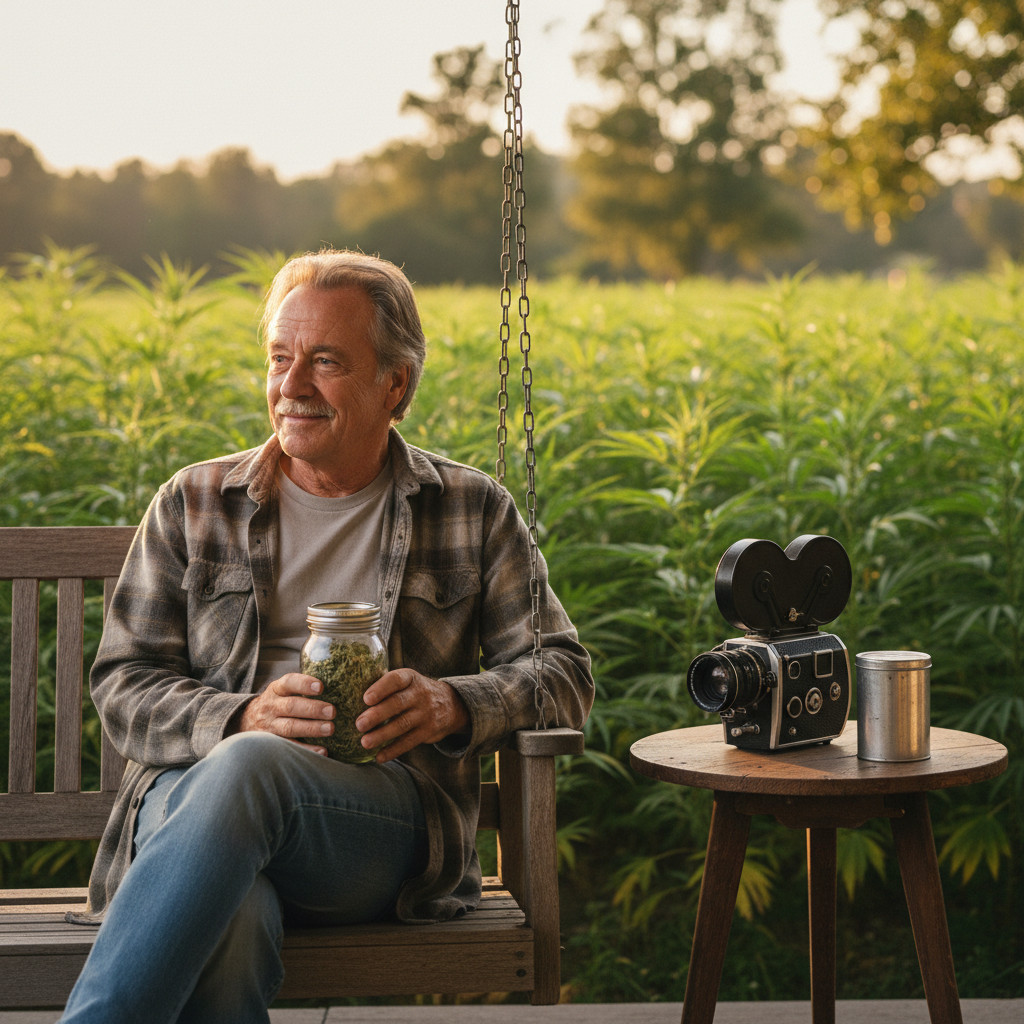
Jim Belushi on Weed, His Latest Movies and the Mess We’re in Right Now
Jim Belushi moved from Hollywood to a hands-on life on a farm in Oregon. In 2015 he launched Belushi’s Farm, which grew into a licensed brand. Because he focused on craft strains, his products like Big Sur Holy Weed and The Sage gained attention. Also, he now holds licenses in 20 states and says his business doubled in a year.
However, economic reality hit hard. He stopped cultivating actively because price compression and taxes squeezed margins. Moreover, hemp-derived beverages remain on shelves even as regulators debate safety. As a result, Belushi has begun to talk about rescheduling and research benefits for veterans and athletes.
His cultural impact runs deeper than products. He uses celebrity to normalize cannabis, and he ties plant history to counterculture moments. For context, profiles in CBS News, TechCrunch, and Newsweek document his shift from actor to farmer and advocate.
The practical results show up in markets. Strong regions include Maryland, Missouri, Pennsylvania, Mississippi and Ohio. Yet Illinois taxes and Michigan licensing complicate expansion. His story thus sits at the junction of culture, commerce and regulation.
Quick facts
- Launched Belushi’s Farm in 2015 and scaled rapidly
- Licensed in 20 states; doubled business in a year
- Strains performed well; new sativa called The Sage
Ultimately, Belushi blends stardom, advocacy and agriculture. Therefore he remains a visible face of modern cannabis culture.
| Movie Title | Release Year | Theme | Role Played | Public/Critical Reaction |
|---|---|---|---|---|
| The Chronology of Water | Recent (shot on 16mm in Latvia) | Art house, memory and landscape | Featured actor | Gained art house interest; praised for 16mm aesthetic and Belushi’s presence |
| Song Sung Blue | Recent | Musical drama and introspection | Featured actor | Early reactions noted mood and cast work; modest festival attention |
| Karate Ghost | Recent | Action comedy | Lead/Featured | Low profile release; part of four films Belushi completed last year |
| Guttermuckers | Recent | Comedy, character-driven | Lead/Featured | Limited release; industry observers noted Belushi’s prolific output |
Therefore the table helps readers connect his film work to his cannabis advocacy.
Jim Belushi on Weed, His Latest Movies and the Mess We’re in Right Now
Jim Belushi personifies the knot where culture and commerce collide. He moved from acting to farming, and therefore he now feels the industry squeeze personally. Because his brands span 20 state licenses, his struggles reflect broad market shifts.
Taxation and price compression bite many legal operators. For example, Illinois reported record legal sales yet collected roughly $474 million in cannabis tax revenue last year, which reshapes market incentives and pushes operators to scale quickly: Illinois had record $2 billion in legal marijuana sales in 2024. Moreover, high taxes and uneven licensing in states like Michigan make profitable cultivation harder.
Regulation adds confusion and backlash. Federal and state guidance clash on hemp-derived drinks, and the FDA warned companies over CBD beverages in late 2022: FDA’s crackdown on CBD in beverages. Likewise, some cities and states moved to ban or limit hemp products sold at convenience stores. For instance, Chicago restricted many hemp-derived products, which demonstrates local risk aversion: Chicago City Council bans most hemp-derived products. Ohio even issued temporary bans amid safety concerns: Ohio issues 90-day ban on THC gummies, hemp drinks.
Environmental and social shocks compound business pain. Wildfires and tourism drops have hit Oregon hard, and those events damaged growers and local demand alike. Public radio documented tourism losses tied to wildfire seasons, which in turn hurt rural cannabis economies: Oregon wildfire tourism revenue loss. As a result, Belushi and peers face income volatility plus higher operating costs.
Culturally the industry sits in an identity crisis. Entertainment amplifies normalization, yet regulation treats products as risky. Belushi’s films and public persona blur those lines, because his celebrity both humanizes cannabis and exposes the sector’s contradictions. Therefore debates about rescheduling, veteran access and medical research remain urgent.
In sum, the mess spans tax regimes, safety policy, environmental shocks and cultural tension. Jim Belushi stands at the crossroads, making his art and his enterprise a useful lens on modern cannabis challenges.
Conclusion: Jim Belushi on Weed, His Latest Movies and the Mess We’re in Right Now
Jim Belushi bridges two worlds because he is both a public artist and a hands on farmer. He helped normalize cannabis through celebrity and products, while his recent films show a restless creative streak. However, taxes, regulation and market pressures reveal the larger mess we face. Therefore his story teaches us about culture, commerce and policy.
Key takeaways
- Jim Belushi made Belushi’s Farm into a licensed brand and scaled to many states.
- His films, including The Chronology of Water and Song Sung Blue, add cultural weight.
- Market forces like price compression and high taxes force operators to rethink cultivation.
- Safety debates around hemp derived beverages highlight regulatory gaps and public health concerns.
For readers this piece offers a clear lesson. First, entertainment affects perception and policy discussion. Second, business realities show how law and environment shape supply and demand. Third, consumers and advocates must press for better research and safety standards.
Frequently Asked Questions
Is Jim Belushi still involved with Belushi’s Farm and cannabis cultivation?
Yes. He founded Belushi’s Farm in 2015 and expanded into licenses across many states. He paused active cultivation because price compression and high operating costs squeezed margins.
Belushi remains a public face of the brand even if he reduced hands on growing. See Belushi’s Farm and reporting from CBS and TechCrunch: CBS News, TechCrunch.
How do his recent films connect to his cannabis profile?
His movies expand how audiences see him by presenting both artist and farmer facets. Filmmaking adds context to his advocacy without changing core business realities.
The films humanize the brand and shape public perception. See the film overview: Belushi’s film work.
Are hemp derived beverages and edibles safe and legal?
The regulatory picture remains unsettled. Federal guidance has lagged and agencies have warned about CBD in beverages.
Use caution and follow policy updates. Read the regulatory overview: Nutra Ingredients and the policy discussion.
How do taxes, licensing and environment affect growers?
They compress margins and increase volatility. High taxes, uneven licensing and events like Oregon wildfires reduce profitability for small operators.
Many growers face pressure to scale or exit. For context see Daily Herald and OPB.
What should readers learn from Belushi’s story?
Celebrity can help normalize cannabis but cannot substitute for research or sensible policy.
Support evidence based research, clearer regulation and reliable reporting. See the conclusion: Conclusion.