Marijuana DUI (DUID) laws and impairment testing challenge drivers and lawmakers across the United States today. Because states differ on per se limits, zero-tolerance rules, and impairment-based standards, legal risk and enforcement vary widely. This article explains how DUID laws, THC limits, testing methods, and roadside procedures work, and why current tools fall short; we cover per se thresholds that often range from 2 to 5 ng per milliliter, impairment-based enforcement that relies on field observations, the common use of blood, urine, and saliva tests, and newer oral fluid pilot programs in several states.
We also examine scientific studies and government guidance showing that THC levels in biofluids do not reliably predict impairment, and therefore that field sobriety tests and horizontal gaze nystagmus have limited accuracy for cannabis; finally, we summarize drivers rights, implied consent rules, and practical steps to protect your license and legal position. Read on for clear, practical guidance.
What are marijuana DUI (DUID) laws and impairment testing
Marijuana DUI (DUID) laws and impairment testing define state rules that ban driving while cannabis-impaired. They set per se THC limits, zero tolerance options, or impairment-based standards. Officers use blood, saliva, or field sobriety tests, but science has not established reliable THC impairment thresholds. Consequently, enforcement and legal risk vary widely.
How marijuana DUI (DUID) laws and impairment testing vary by state
States use three main legal models for cannabis and driving. Because there is no national standard, rules differ on proof, testing, and penalties. Most states follow impairment-based laws that require evidence the driver was affected by THC. However, some states set per se THC limits or allow inferences from specific blood concentrations.
Per se and permissible inference states
- Per se laws set a fixed THC blood limit. For example, Illinois, Montana, Nevada, Ohio and Washington use per se thresholds, typically between 2 and 5 ng per milliliter. Colorado uses a 5 ng/mL permissible inference. See the NCSL summary for state models and examples: NCSL summary.
Impairment-based and zero tolerance approaches
- Impairment-based statutes require proof of being under the influence, often using officer observations and DRE evaluations.
- Zero tolerance laws ban any detectable THC or metabolites for certain drivers, such as commercial or young drivers. Therefore, legal exposure can vary significantly by driver category.
Testing methods and enforcement
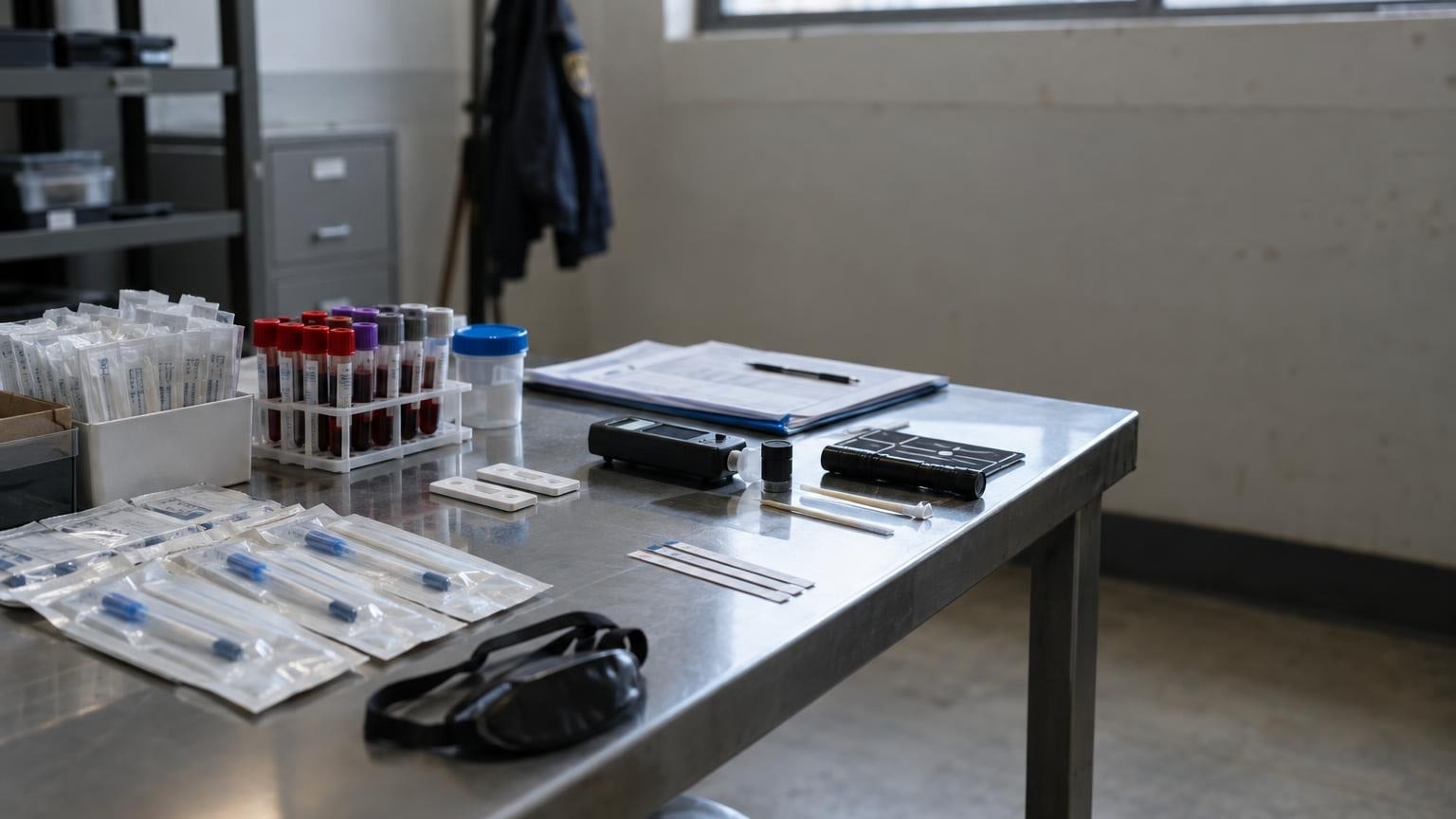
- States rely on blood, urine, and saliva testing. Some run oral fluid roadside screening or pilot programs.
- The National Institute of Justice explains limits of chemical and field evidence, noting that biofluid THC levels do not reliably prove impairment: National Institute of Justice.
Practical takeaway
Because laws and tests vary, drivers must know local rules and their rights during stops.
Marijuana impairment testing methods
marijuana DUI (DUID) laws and impairment testing
States and police use three main testing approaches to detect cannabis impairment. Blood testing measures THC or metabolites in plasma. Because THC clears fast from blood after use, levels do not always match impairment. Blood tests offer accurate concentration data, however they require lab analysis and can be slow.
- Advantages of blood tests
- Give precise THC concentrations for court evidence.
- Often used in per se cases where a limit exists.
- Limitations of blood tests
- Do not reliably indicate current impairment.
- Require trained personnel and lab processing time.
Saliva or oral fluid screening provides rapid roadside results. Several states run pilot programs for oral fluid screening because it is less invasive and faster than blood. However, oral fluid devices can give false positives and vary by brand. Consequently, many jurisdictions confirm positives with lab tests.
Field sobriety tests and Drug Recognition Expert evaluations rely on behavioral cues. Officers use standardized walking, balance, and coordination tasks. However, research shows traditional alcohol-focused tests miss many cannabis-impaired drivers and can mistake sober drivers for impaired. Therefore, courts often treat FSTs as supportive, not definitive.
For further evidence on the limits of biofluid levels and FST accuracy, consult this NIJ review of field sobriety tests and THC levels.
| State | THC Limit | Penalties | Impairment Testing Methods |
|---|---|---|---|
| Colorado | 5 ng/mL (permissible inference) | Fines, license suspension, possible jail for serious or repeat offenses | Blood testing, officer observations, DRE evaluations, lab confirmation |
| Washington | Per se threshold (commonly 2 to 5 ng/mL) | Misdemeanor charges, fines, license actions | Blood tests, saliva screening, field sobriety tests, DREs |
| Illinois | Per se threshold (commonly 2 to 5 ng/mL) | Fines, administrative license penalties, potential jail | Blood tests, saliva/oral fluid screening, DRE evaluations |
| Nevada | Per se threshold (commonly 2 to 5 ng/mL) | Fines, license suspension, criminal penalties for impairment | Blood testing, oral fluid screening, FSTs, DRE assessments |
| Ohio | Per se threshold (commonly 2 to 5 ng/mL) | Fines, license suspension, possible jail for DUI convictions | Blood tests, officer observations, DRE evaluations |
| California | Impairment based only (no numeric per se limit for general drivers) | Fines, license suspension, criminal charges if impaired | Field sobriety tests, chemical tests when available, DREs |
| Alabama | Zero tolerance for certain drivers; active enforcement programs | Fines, license suspension, criminal penalties | Oral fluid roadside screening pilot, blood confirmation, FSTs |
| Indiana | Zero tolerance elements with pilot oral fluid programs | Fines, license suspension, possible jail | Oral fluid roadside screening, blood confirmation, DREs |
| Michigan | Impairment based with oral fluid pilot programs | Fines, license actions, criminal penalties for impairment | Pilot oral fluid screening, blood tests, DRE evaluations |
| Minnesota | Impairment based with pilot testing for oral fluid | Fines, license suspension, criminal penalties | Pilot oral fluid screening, blood confirmation, field tests |
Note on accuracy and variation: states differ on exact numeric cutoffs and on which driver categories face zero tolerance. Therefore, use this table as a comparative snapshot, not legal advice. For a state-by-state summary and maps, see the National Conference of State Legislatures overview: National Conference of State Legislatures overview.
Steps to take if stopped for marijuana DUI
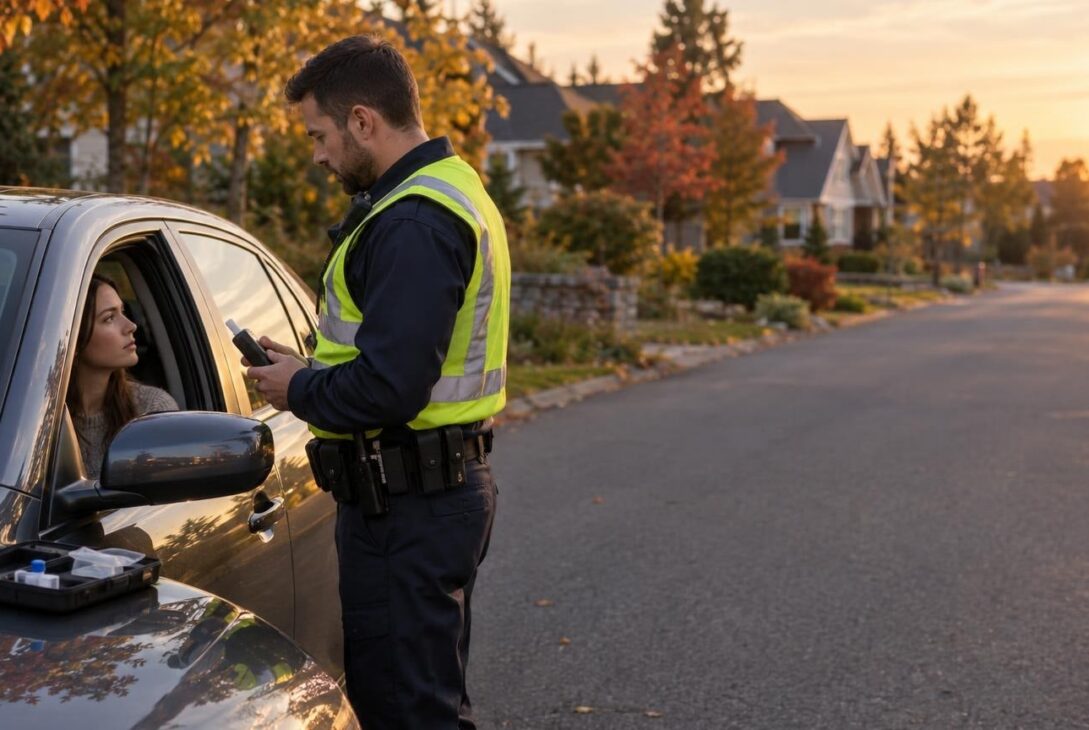
If an officer stops you on suspicion of marijuana DUI stay calm and act deliberately. Because emotions can escalate the situation, keep your hands visible and speak politely. However, you should protect your legal position by avoiding voluntary admissions about cannabis use. Therefore, know your rights and follow lawful instructions.
- Pull over safely and turn off the engine.
- Provide your license and registration when asked, but avoid volunteering information about drug use.
- Keep your hands visible and speak briefly; do not argue at the scene.
- Decline roadside field sobriety tests if uncomfortable, because they can misidentify impairment.
- Comply with lawful chemical testing, or understand that refusing may trigger administrative penalties.
Document the stop by noting time, location, officer name, and badge number. Then contact an experienced attorney promptly to protect your rights and challenge unreliable evidence. Remember that state rules vary, so outcomes depend on local law.
CONCLUSION
Understanding marijuana DUI (DUID) laws and impairment testing matters for safety and legal risk. Because states differ, rules and penalties vary widely. Therefore, stay informed about local statutes and testing methods. This guide explained state models, testing approaches, and practical steps to protect your license.
Chemical tests and field sobriety exams often fail to match actual impairment. However, some states use per se THC limits, while others require proof of impairment. Also, studies show frequent users can test positive while unimpaired. Consequently, challenging unreliable evidence can be critical to your defense.
Act responsibly and avoid driving after using cannabis. If stopped, document the encounter and contact an attorney promptly. Ultimately, knowledge reduces legal risk and promotes safer roads. For practical resources, visit mycbdadvisor.com.
Frequently Asked Questions (FAQs)
Is driving under the influence of marijuana illegal?
Yes. Driving while impaired by cannabis is illegal in every state. However, because laws differ by jurisdiction, the prohibited conduct and required proof vary. Some states use impairment-based DUID statutes that require evidence the driver was affected. Others use per se limits or zero tolerance for specific driver categories.
What penalties could I face for a marijuana DUI?
Penalties vary by state and by case facts. Typically, consequences include fines, license suspension, mandatory education programs, and possible jail time for serious or repeat offenses. Also, refusing chemical tests can trigger administrative license suspensions in many states, even if criminal charges do not follow.
How do impairment tests detect marijuana use and impairment?
Officers may use blood, saliva, or urine tests to detect THC or metabolites, and they may administer field sobriety tests or call a Drug Recognition Expert. However, authoritative reviews show that biofluid THC levels and standard field sobriety tests do not reliably indicate current impairment. For a detailed review, see the National Institute of Justice discussion on limits of FSTs and THC levels.
Can I test positive but not be impaired?
Yes. Studies, including UC San Diego research, show frequent users can have detectable THC after abstinence and still perform normally. Therefore, measurable THC in blood or saliva does not always equal impairment. See the UC San Diego findings on residual THC and driving performance.
What should I do if stopped or charged?
Stay calm, follow lawful orders, and avoid admitting drug use. Document the stop and collect officer details. Because tests and FSTs can be unreliable, consult an attorney promptly to review the evidence and protect your rights. Also, understand your state’s implied consent and administrative rules so you can weigh the consequences of refusing chemical tests.