Minnesota 8-Plant Cannabis Home Grow Guide (2026)
Minnesota 8-plant cannabis home grow guide (2026) is your clear, compliant path to growing up to eight plants at home in the North Star State. Whether you aim to grow for personal wellness or to learn cultivation, this guide explains the 8-plant rule and practical steps. MyCBDAdvisor brings trustworthy, step-by-step advice backed by legal facts and cultivation basics. Because laws and best practices matter, we focus on safety, enclosed locked spaces, and staying within Minnesota home cultivation limits.
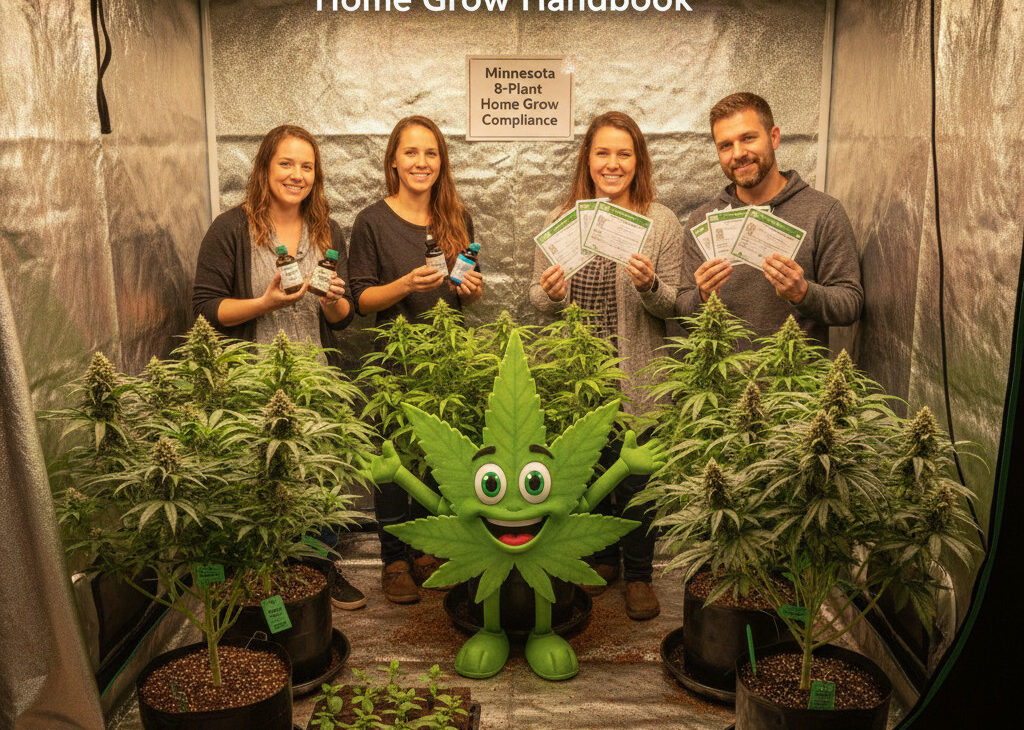
You will learn how to choose feminized seeds or autoflowers. We show how to set up a 4×4 grow tent. Then use a staggered schedule to keep four mature plants and four vegetative ones. In addition, we cover organic potting mix, filtered water, and simple nutrient tips to avoid time-release fertilizers. However, we also explain outdoor restrictions and how to keep your garden out of public view. Finally, this guide emphasizes adult 21+ compliance, practical troubleshooting, and confidence-building tips so you can start with clarity.
Legal considerations
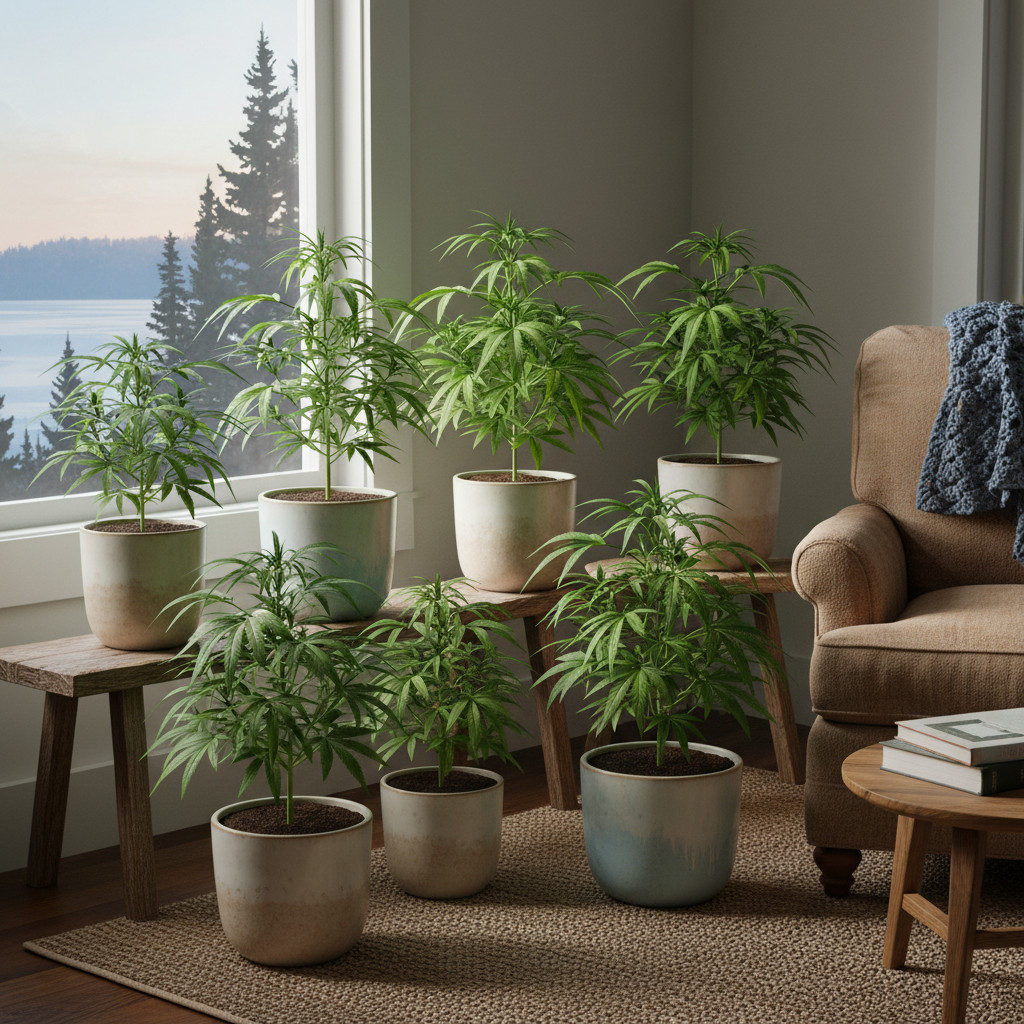
In this Minnesota 8-plant cannabis home grow guide (2026) section, we explain the law in clear terms. Adults age 21 and older may legally grow cannabis at home. Therefore, you must follow state limits and local rules.
- Key limits and rules
- Adults 21 plus may cultivate up to eight cannabis plants per residence. However, no more than four plants may be mature and flowering at once. For the statutory text see Minnesota Statutes.
- Your grow must be at your primary residence and kept in an enclosed locked space. In addition, plants must not be visible to the public. The Office of Cannabis Management provides consumer guidance at Office of Cannabis Management.
- Caregiver and patient exceptions
- Registered caregivers may have separate allowances for patient households. For details on caregiver limits and medical cultivation consult Caregiver Limits.
- Safety and compliance highlights
- The law forbids using volatile solvents for home extraction. Also, local ordinances may add rules about outdoor fencing and odor control. Therefore, check city codes before planting.
- Why this matters
- Staying within the 8-plant rule protects you from penalties under state law. In addition, following enclosed locked space rules keeps your grow private and secure. As a result, you grow with confidence and compliance.
This quick comparison helps you choose strain and setup for an 8 plant home grow.
Therefore, review ideal conditions, expected yields, and maintenance to match your space and goals.
| Strain type | Ideal growing conditions | Expected yield per plant | Ease of maintenance |
|---|---|---|---|
| Indica dominant | Shorter flowering, controlled height, 12 hour dark cycle indoors | 1 to 3 ounces indoors; 3 to 6 ounces outdoors | Low to medium; forgiving for beginners |
| Sativa dominant | Taller plants; long flowering; more light and vertical space | 0.5 to 2 ounces indoors; 3 to 8 ounces outdoors | Medium; needs more training and space |
| Hybrid | Balanced traits; choose based on phenotype; adaptable | 1 to 4 ounces indoors; 3 to 6 ounces outdoors | Medium; flexible for many setups |
| Autoflower | Fast harvest 75 to 90 days; smaller footprint; no light cycle change | 0.5 to 2 ounces per plant | Low; great for staggered grow and beginners |
| CBD dominant feminized | Stable CBD THC ratio; feminized seeds reduce male plants | 0.5 to 3 ounces per plant | Low to medium; reliable for medicinal gardeners |
Best growing practices and advice
This Minnesota 8-plant cannabis home grow guide (2026) gives clear home grow tips for soil, lighting, watering, pest control, and harvesting. We keep advice practical and easy to follow. Therefore, you can apply these steps in a 4×4 tent or a secured outdoor plot.
Soil and media
- Use high quality organic potting mix designed for vegetables or cannabis. Because time release fertilizers can burn roots, avoid them.
- Add perlite for drainage and worm castings for slow release nutrients. In addition, choose pH buffered mixes when possible.
Lighting and environment
- For indoors, use full spectrum LED lights rated for flowering. LEDs run cooler and save energy.
- Aim for 18 hours light during veg and 12 hours during flowering for photoperiod strains. However, autoflowers need a constant light schedule.
- Keep temps between 68 and 80 degrees Fahrenheit and relative humidity 40 to 60 percent. Good airflow prevents mold.
Watering and nutrients
- Water with filtered water and let city water sit 24 hours to dissipate chlorine. Feed with light organic nutrients and increase slowly.
- Check runoff pH after feeding and adjust to 6.0 to 6.8. Because overwatering harms roots, let the top inch of soil dry before watering again.
Pest control and plant health
- Inspect plants weekly for pests and disease. Use integrated pest management methods and introduce beneficial insects when possible.
- Remove dead leaves and keep the grow area clean. Also, quarantine new plants to avoid introducing pests.
Harvesting and curing
- Harvest when trichomes reach your desired maturity. Then dry slowly in a dark, ventilated area for seven to fourteen days.
- Cure buds in glass jars for at least two weeks to improve flavor and stability.
Final tips
- Stagger four plants in veg and four in flower to preserve continuous harvests. As a result, you will maximize the legal 8-plant limit and steady yields.
- For legal questions and consumer guidance see legal questions and consumer guidance and caregiver details at caregiver details.
CONCLUSION
Minnesota 8-plant cannabis home grow guide (2026) pulls together law, safety, and clear cultivation steps. Adults 21 and older may grow up to eight plants per residence. However, only four plants may be mature and flowering at any time. Therefore, plan a staggered schedule, secure an enclosed locked space, and follow local codes.
MyCBDAdvisor exists to make cannabinoid education accurate, simple, and trustworthy. We publish research driven guidance across cultivation, safety, and product knowledge. Visit us at MyCBDAdvisor for tools, vetted resources, and ongoing updates. Grow responsibly, stay compliant, and enjoy the satisfaction of a thoughtful home harvest. We aim to support every home grower.
Frequently Asked Questions (FAQs)
Can an adult legally cultivate up to eight plants at home in Minnesota?
Yes. State law permits adults 21 or older to grow up to eight plants per residence. Limit flowering plants to four to stay compliant. For official consumer guidance see here.
What qualifies as a flowering plant and why is the cap important?
A flowering plant is one producing buds in bloom. Only four may be flowering at once. Stagger plant cycles to avoid exceeding the mature plant cap and to maintain steady harvests.
Where must plants be kept to follow the rules?
Keep plants at your primary residence in an enclosed locked space not visible to the public. For more details visit here.
Can I make concentrates at home using solvents?
No. The use of volatile solvents for home extraction is prohibited. Use safe commercial processors or solventless methods instead. Review the statute at here.
Which seed types and setups are best for beginners?
Choose autoflower or feminized seeds for simplicity. Use organic soil, filtered water, and a compact 4×4 tent for consistent results.
How can I rotate eight plants to ensure a steady supply?
Start four plants from seed or clone two to four weeks apart. Keep one group in veg while the other group flowers. Rotate so one batch matures every few weeks. Autoflower varieties or short photoperiod strains simplify timing.
What inspections should I run before exposing plants to outdoor Minnesota weather?
Harden off plants over 7 to 14 days by gradually increasing sun exposure and reducing humidity. Check for pests, diseases, and nutrient deficiencies. Plan to move plants indoors before the first hard frost and use insulated pots or root protection if cold nights arrive.