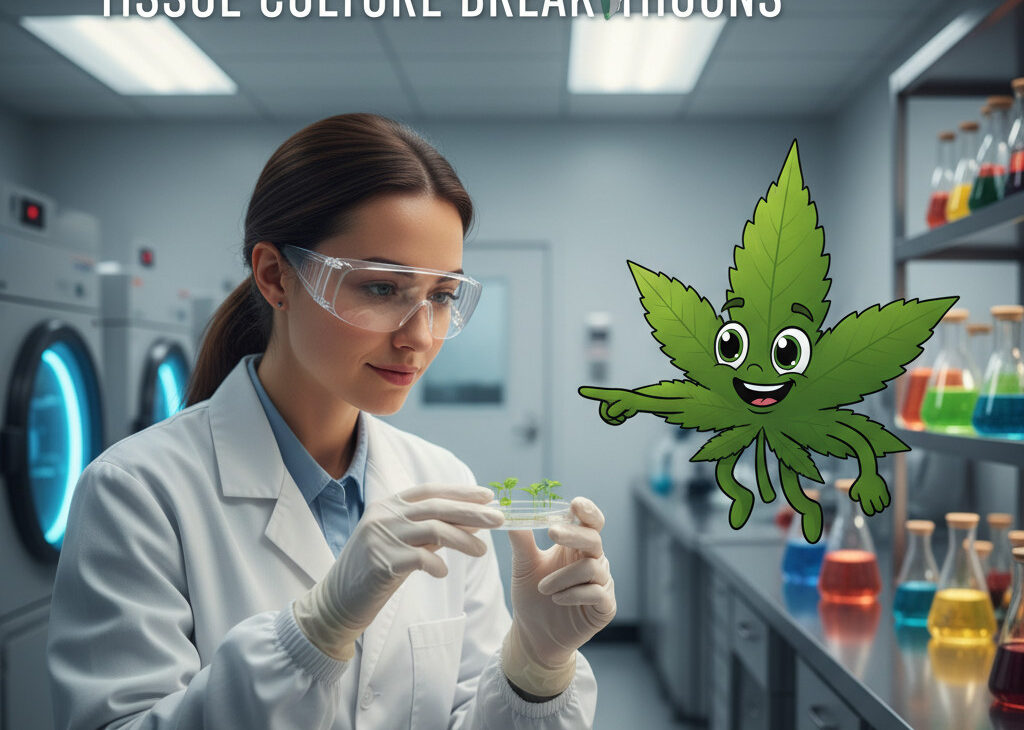
Tissue Culture and Cryopreservation: Preserving New Jersey’s Cannabis Legacy
New Jersey cannabis cultivation faces a turning point as supply tightens and demand grows. Because consumer demand climbs, cultivators must protect unique genetics and heirloom strains. As a result, tissue culture and cryopreservation have moved from lab curiosities to essential tools. They let growers bank genetics, reduce mother room footprints, and improve long term crop stability. Moreover, these methods help preserve terpene and cannabinoid profiles without risking disease spread.
This article explains why genetic preservation matters for New Jersey growers. We outline practical science, operational benefits, and market implications. Therefore, readers will learn how breeders, operators, and brand teams can future proof their portfolios. MyCBDAdvisor writes with an educational and trustworthy voice. Consequently, expect clear, evidence based insight and actionable takeaways.
We also highlight voices from the IgniteIt event and insights from leading growers. For example, cultivators like Chad Salute emphasize hands on observation while researchers push for data driven protocols. Because New Jersey sits on the East Coast, it faces unique consumer tastes and supply dynamics. Therefore, balancing craft cultivation with scalable methods will shape the next decade. Finally, this introduction sets the scene for deeper sections on breeding, tissue culture banking, and cryogenic storage.
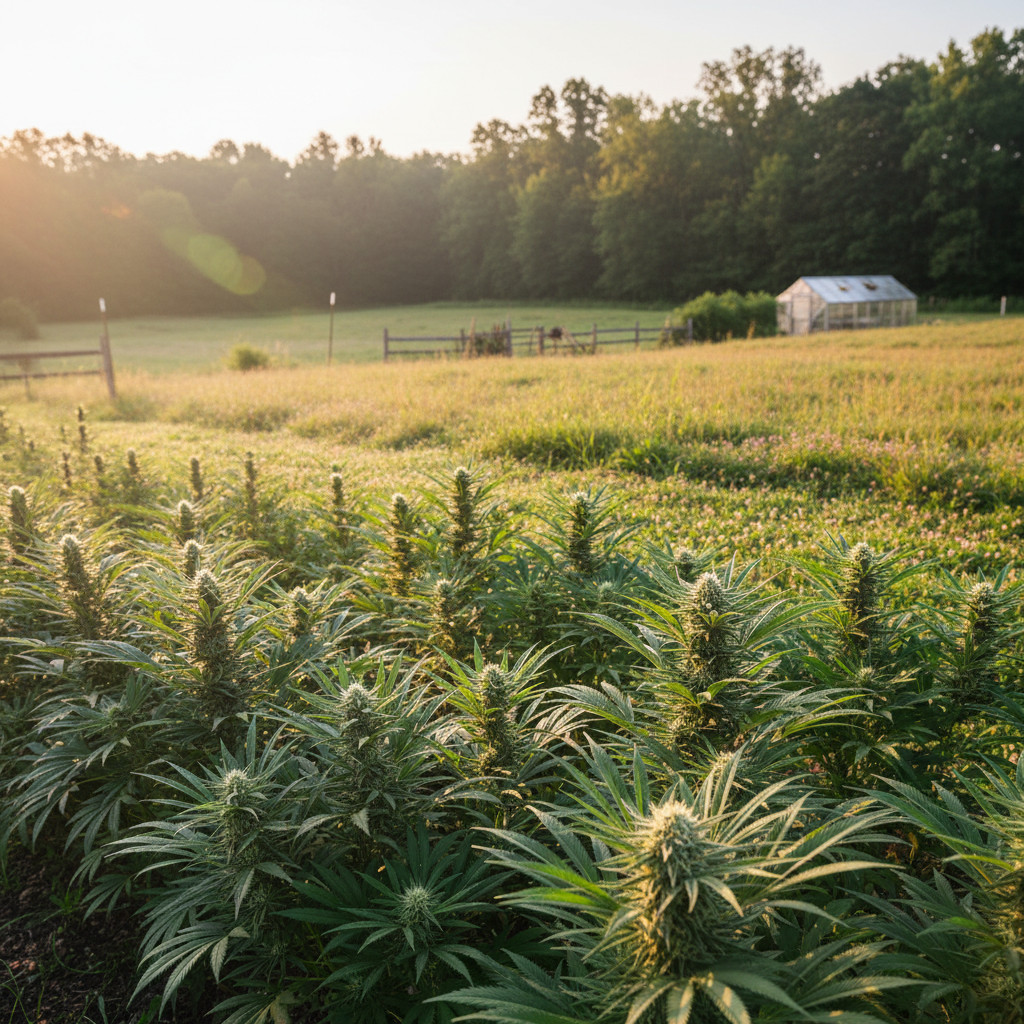
Legal framework for New Jersey cannabis cultivation
New Jersey cannabis cultivation sits under a structured and evolving legal regime. The state regulates licensing, testing, and distribution through the Cannabis Regulatory Commission. Because rules change frequently, operators must monitor updates at the state site. For official guidance, visit New Jersey Cannabis Regulatory Commission.
Laws aim to balance public safety with market access. Therefore, regulators enforce strict rules for track and trace, seed to sale reporting, and product testing. As a result, cultivators face detailed recordkeeping duties. However, the rules also create a clearer path to compliance and market legitimacy.
Licensing rules for New Jersey cannabis cultivation
Licensing divides into cultivation, manufacturing, and retail categories. Each license type requires separate applications and fees. For clarity, the main licensing requirements include:
- Background checks and criminal history reviews
- Detailed facility plans and security protocols
- Environmental and waste management plans
- Standard operating procedures and quality controls
- Proof of financial viability and local municipality approval
Applicants must also show detailed SOPs for pest management, nutrient programs, and staff training. Because labor protections matter, operators should review new worker rules and rights. See the MyCBDAdvisor overview for specifics on protections tied to cultivation jobs.
Recent legal changes have shifted the compliance landscape. For example:
- New rules increase testing stringency for potency and contaminants
- Labor protections and worker safety standards now feature in licensing reviews
- Municipal authority over cultivation sites remains significant, affecting zoning and local approvals
Operators should read how labor law changes affect their teams. MyCBDAdvisor explains recent worker impacts. Also, facility managers can learn practical compliance steps from this guide on labor protections: Labor Protections Guide.
Conclusion
Regulatory clarity improves investor confidence. However, compliance demands active management of documentation and operations. Therefore, cultivators should build strong SOPs, maintain open lines with regulators, and prioritize worker safety. These steps will support long term success in New Jersey’s competitive cannabis market.
Comparing cultivation methods for New Jersey cannabis cultivation
Choose a method based on scale, budget, and brand goals. However, each system affects plant expression and operational costs. Therefore, this table contrasts indoor, greenhouse, and outdoor approaches to help growers decide.
| Method | Advantages | Disadvantages | Typical yield | Ideal conditions |
|---|---|---|---|---|
| Indoor | Full environmental control for consistent cannabinoid and terpene profiles; year round production; easier pest isolation | High capital and energy costs; complex HVAC and compliance; higher operating overhead | High yield per square foot; multiple harvests per year | Controlled environment rooms; precise light, humidity, and CO2 control; trained staff |
| Greenhouse | Lower energy use than indoor; natural light boosts terpene development; seasonal extension with supplemental lighting | Weather exposure risk; light leaks and pests; requires investment in automation | Moderate to high yield; can achieve indoor quality with proper controls | South facing glazing, climate screens, supplemental lights, integrated pest management |
| Outdoor | Lowest capital cost; high per plant yield; sustainable sun grown appeal | Single seasonal harvest; variable quality; higher risk of pests and contamination | Moderate to high yield per plant; lower per square foot yield than indoor | Well drained soil, appropriate sun exposure, local zoning approval, strong biosecurity |
Notes
- Related terms and keywords: controlled environment agriculture, sun grown, hybrid systems, SOPs, multi genetics, terpene expression, genetic preservation.
- Use greenhouse systems to balance craft expression and cost efficiency in New Jersey’s haze driven market.
Economic and social impact of New Jersey cannabis cultivation
New Jersey cannabis cultivation has become an engine of local economic growth. Recent state reports show sales surpassed one billion dollars in 2024, fueling tax collections and supporting new business formation. As a result, state tax receipts from recreational cannabis climbed, and social equity funds gained resources for community reinvestment. For official sales summaries and revenue breakdowns, see the New Jersey Cannabis Administration report at here.
Job creation is a direct and visible benefit. Cultivation operations need skilled horticulturalists, facility technicians, compliance staff, and packaging teams. Therefore, cultivators support both full time and seasonal employment. The state noted expanded dispensary networks and facility openings in 2024, which in turn drove hiring across the supply chain. For the state announcement on industry growth and milestones, reference here.
Tax revenues and social programs
-
Cannabis sales generated significant excise and sales tax receipts that fund public programs. Because the Social Equity Excise Fee channels funds to impacted communities, cultivation contributes to remediation and local investment.
-
As a result of rising sales, the state increased collections that support education, workforce programs, and community reinvestment. The New Jersey Cannabis Administration details these allocations in its highpoints summary: here.
Social implications and community wellness
Cannabis cultivation also affects community wellness and public health. Legal, regulated flower reduces illicit market activity and improves product safety through mandated testing. Therefore, consumers access standardized products with potency and contaminant limits. Moreover, licensing rules often include social equity provisions designed to repair harms from past prohibition. However, local communities face tradeoffs, such as zoning debates and concerns about odor and traffic. Operators must engage neighbors, invest in odor control technologies, and emphasize transparent hiring to build trust.
Supply and market balance
Because New Jersey remains undersupplied relative to demand, robust cultivation helps stabilize prices and improves product diversity. Cultivators who invest in genetic preservation and tissue culture can keep legacy strains alive, bolstering brand differentiation and consumer choice. Therefore, economic gains tie closely to quality, innovation, and responsible operations.
Conclusion
New Jersey cannabis cultivation delivers measurable economic benefits and complex social effects. When operators prioritize compliance, worker protections, and community engagement, the industry can expand while supporting broader public goals. These steps help ensure cultivation creates sustainable jobs, tax revenue, and healthier local markets.
CONCLUSION
New Jersey cannabis cultivation stands at a crossroads of craft and scale. Tissue culture and cryopreservation give growers tools to protect legacy genetics. At the same time, strong regulatory oversight and labor protections shape safe, reliable production. Therefore, cultivators who combine precise horticulture with clear compliance will lead the market.
Economically, cultivation fuels jobs, tax revenue, and local investment. Socially, licensed production improves product safety and channels funds to impacted communities. Because the state remains undersupplied, innovation in breeding and genetic banking will help stabilize supply and support diverse consumer tastes. Consequently, growers should act now to protect unique strains and future proof their operations.
Local partners such as EMPO form part of the broader ecosystem. They help connect growers, researchers, and policymakers. As a result, collaborative networks accelerate best practices across the industry.
MyCBDAdvisor provides research driven, practical guidance to help operators and consumers navigate change. We present clear evidence, trusted sources, and actionable steps. For more resources and updates, visit MyCBDAdvisor.
Overall, the future for New Jersey cultivation looks optimistic. With smart stewardship of genetics, strong SOPs, and community engagement, the industry can grow responsibly and sustainably.
Frequently Asked Questions
What permits do I need to start New Jersey cannabis cultivation?
You must obtain a cultivation license from the Cannabis Regulatory Commission, secure municipal approval, and submit security plans, background checks, SOPs, and waste and odor mitigation measures; see the NJ CRC licensing page at licensing page for details.
Can I protect unique strains with tissue culture or cryopreservation?
Yes; tissue culture and cryopreservation let growers bank genetics, preserving terpene and cannabinoid profiles while reducing mother room needs, provided labs follow strict biosecurity and chain of custody protocols.
How does licensing affect daily operations and employees?
Licensing requires documented SOPs for cultivation, pest control, and safety, so staff need regular training and compliance checks; new labor protections also mean updated workplace policies and payroll practices.
Which cultivation method suits New Jersey growers best?
It depends on goals and budget; indoor gives consistent quality, greenhouse balances craft and cost, and outdoor lowers capital needs but increases variability and biosecurity risk.
Will cultivation help local communities and markets?
Yes; cultivation creates jobs, tax revenue, and social equity funding, but operators should engage neighbors and invest in odor and traffic management to build community trust.