The New York Cannabis Recall: Understanding the Implications
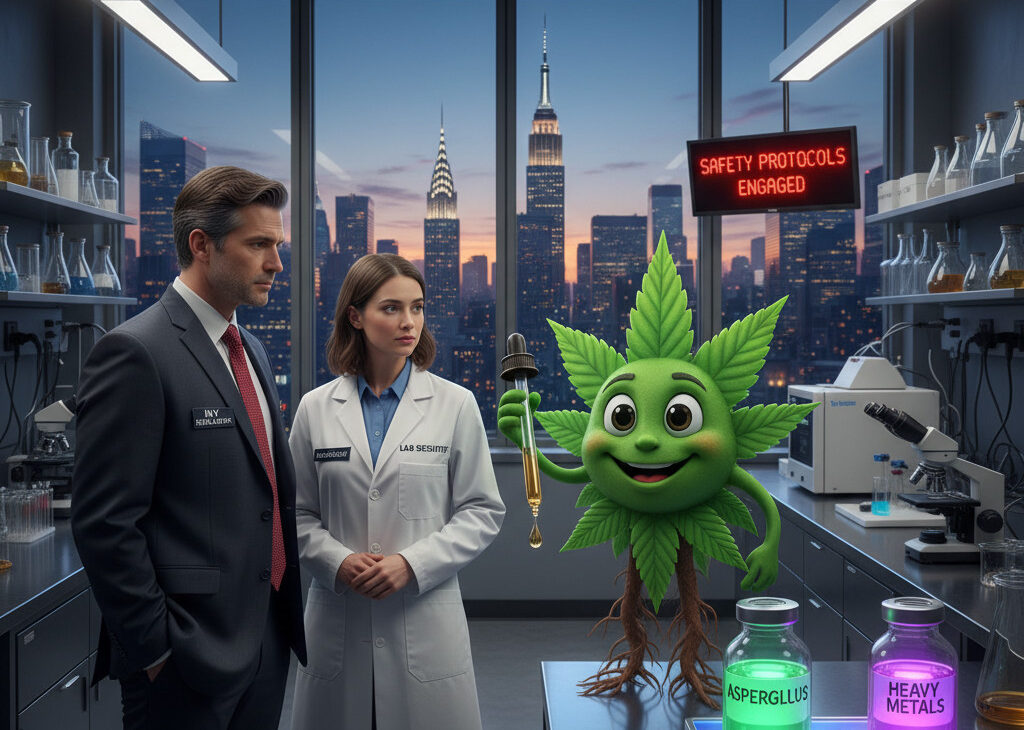
The New York cannabis recall due to unreliable lab testing results has put the adult-use market on alert. Officials issued a precautionary recall after studying a state-licensed lab’s testing and reporting practices. This event matters because inaccurate results can hide contaminants like Aspergillus and heavy metals. As a result, consumers could face health risks, especially those with weakened immune systems.
The Office of Cannabis Management acted swiftly to trace affected product lots and issue guidance. However, the recall also raises broader questions about lab oversight and industry quality control. Growers, processors, and retailers now must weigh compliance, testing protocols, and consumer trust.
Because public confidence underpins market growth, regulators face pressure to tighten standards quickly. This introduction outlines what happened, why it matters, and how the sector might respond. Read on for a clear, practical look at lab reliability, recalls, and consumer safety steps. We will examine data, regulations, and industry responses to help readers decide wisely.
Causes of New York cannabis recall due to unreliable lab testing results
The Office of Cannabis Management found unreliable testing and reporting at a state‑licensed lab. OCM’s review led to a precautionary recall and a published list of affected products. For details and the official recall list, see the OCM recall page. Because regulators identified flawed results, they could not guarantee product safety.
Investigators flagged incorrect Aspergillus results for 54 product lots. There was also one lot with wrong heavy metal data. These errors mean contamination could be missed, and therefore unsafe products might reach consumers. The Centers for Disease Control explains why Aspergillus matters for vulnerable people: CDC Aspergillus Information. As a result, the recall focused on both fungal contamination and metal exposure concerns.
Lab testing touches every step of product safety and consumer confidence. When analytical accuracy fails, dispensaries lose trust and consumers may avoid legal adult‑use cannabis. Furthermore, false negatives undermine public health surveillance. Retailers, brands, and patients all depend on clear Certificates of Analysis, so inconsistent reporting damages the market.
Root causes vary but often include poor quality control, inadequate staff training, and weak proficiency testing. Keystone State Testing New York’s audit showed systemic reporting problems, and thus regulators suspended operations pending fixes. To restore confidence, the industry needs stricter oversight, routine proficiency checks, and transparent corrective actions. Therefore the recall sends a broader signal about lab reliability and the need for robust testing standards in New York’s adult‑use market.
Comparing testing standards after the New York cannabis recall due to unreliable lab testing results
States set different rules for lab testing, accreditation, and recalls. Because testing accuracy affects consumer safety and market trust, this comparison highlights key differences. Below is a concise table comparing protocols, recall history, and regulatory strictness for New York and three prominent states.
| State | Key testing requirements | Proficiency and accreditation | Recent recall history and examples | Regulatory strictness (1 low to 5 high) | Notes and reliability signals |
|---|---|---|---|---|---|
| New York | OCM Cannabis Laboratory Quality System Standard. Tests for microbials, heavy metals, pesticides. GMP audit required within first year. See details: https://cannabis.ny.gov/laboratory-quality-system-standard | Labs follow OCM quality standards and proficiency checks. Third-party sampling firms are required. | Current precautionary recall list: https://cannabis.ny.gov/current-recalls. Recall driven by unreliable Aspergillus and heavy metal results. | 4 | Strong formal standards. However, recent audit found reporting failures. Therefore enforcement and lab oversight need strengthening. |
| California | DCC requires ISO/IEC 17025 accreditation. Standardized cannabinoid test methods. Mandatory proficiency testing. More details: https://www.cannabis.ca.gov/licensees/testing-laboratories/ | ISO accreditation is common and encouraged. State issues technical guidance and standardized methods. | Public recall portal: https://recalls.cannabis.ca.gov/. California runs both mandatory and voluntary recalls. | 4 | Standardized methods reduce variability. However, large market size increases testing workload and risk. |
| Colorado | Labs must obtain state licensure and often pursue ISO/IEC 17025 accreditation. Tests include microbials and heavy metals. See testing rules: https://coloradocannabis.org/licensing/testing | Accreditation and routine proficiency programs support result reliability. | Regulatory oversight handled by state enforcement and health agencies. Search agency pages for specific recalls. | 4 | Colorado emphasizes accreditation. Yet oversight varies regionally, so consistent compliance matters. |
| Massachusetts | Independent lab testing is mandatory for all products. State-specific retest and remediation rules apply. See overview: https://massachusettscannabis.org/testing-lab | The CCC enforces testing protocols. Regulators have suspended labs for data issues. | Example advisory and recall: https://masscannabiscontrol.com/2025/02/notice-massachusetts-cannabis-control-commission-public-health-and-safety-advisory-potentially-contaminated-marijuana-products-sold-between-september-18-2024-and-january-30-2025-february-3/ | 4 | Regulators actively suspend noncompliant labs. Therefore transparency and interlab checks are strong. |
Related keywords and semantic terms: lab testing reliability, adult-use cannabis safety, precautionary recall, Aspergillus monitoring, heavy metals screening, proficiency testing, ISO 17025, GMP audits
Brief takeaway: States with formal accreditation and standardized methods show higher reliability. However, failures can still occur. Therefore routine audits, interlab comparisons, and transparent recalls remain essential to protect consumers and preserve trust in the adult-use market.
Consequences of New York cannabis recall due to unreliable lab testing results
The OCM recall for products tested by Keystone State Testing New York had immediate consumer impacts. Although officials reported no illnesses, vulnerable people face higher risk because Aspergillus can cause lung infections. Consumers must check the official recall list and stop using affected products. For the official list, see New York’s current recalls.
Businesses faced swift operational disruption and financial loss. Retailers pulled inventory, and brands recalled product lots, which caused lost sales and logistical costs. As a result, small producers suffered more than larger firms. Furthermore, returns and inventory strikes eroded short term cash flow.
Market trust also took a hit and investor confidence wavered. Because certificates of analysis underpin legal sales, inconsistent lab data undermines the regulated market’s value proposition. Regulators now face pressure to strengthen oversight and to demand routine proficiency testing. See New York’s lab quality standards: New York’s lab quality standards.
Regulatory response included audits, temporary lab suspensions, and public advisories. OCM emphasized consumer safety and pledged corrective action. However, long term reform will require better transparency and interlab comparisons. Therefore stakeholders must adopt clearer reporting and quicker corrective plans.
Practical steps can reduce future risk. Consumers should retain purchase records and verify COAs before buying. Businesses should prioritize accredited labs and regular proficiency checks. Related terms and semantic keywords: adult-use cannabis, lab testing reliability, precautionary recall, Aspergillus, heavy metals, Certificates of Analysis, consumer safety.
Conclusion: New York cannabis recall due to unreliable lab testing results
The New York cannabis recall due to unreliable lab testing results exposed clear gaps in lab reporting and product safety. The OCM audit found incorrect Aspergillus results across 54 product lots and one faulty heavy metals report. The recall was precautionary and no illnesses were reported. However, the event revealed weaknesses in quality control and regulatory oversight.
Transparency and reliability in lab testing must improve because accurate Certificates of Analysis protect consumers. Regulators should require routine proficiency testing, interlab comparisons, and public reporting. Businesses must use accredited labs, verify COAs, and act quickly on audit findings. Therefore stronger processes will rebuild market trust and protect public health.
MyCBDAdvisor remains a trusted source for CBD and hemp news, safety tips, and regulatory analysis. Visit MyCBDAdvisor for ongoing coverage and practical guidance as New York strengthens lab standards.
Frequently Asked Questions: New York cannabis recall due to unreliable lab testing results
What happened?
The New York Office of Cannabis Management identified unreliable test results from a state‑licensed lab. Regulators found incorrect Aspergillus data in 54 product lots and one heavy metals error. OCM issued a precautionary recall and linked affected lots. The recall aimed to protect consumers while officials investigate.
Should I stop using the recalled products?
Yes stop using any product listed by OCM. Check the official recall list and your purchase records before using leftover products. For details visit current recalls. If you feel sick seek medical advice and mention possible Aspergillus exposure.
How can I verify a product’s safety and Certificate of Analysis?
Ask vendors for a current Certificate of Analysis for each lot. Then verify the COA against the lab that performed testing. Also confirm that the testing lab follows OCM standards or ISO accreditation. New York’s laboratory quality standard is here laboratory quality standard. Reliable COAs include microbial and heavy metal panels.
Why did testing fail and how common is this?
Testing failures often stem from weak quality control, poor staff training, or flawed reporting. For example Keystone State Testing New York’s audit found systemic reporting problems. However such failures remain rare given the total number of tests. Still they undermine consumer confidence and require corrective measures.
What should businesses and consumers do now?
Businesses should prioritize accredited labs, run interlab comparisons, and document proficiency testing. Consumers should keep receipts, verify COAs, and buy from trusted retailers. Regulators should enforce transparency, routine audits, and clear public reporting to rebuild trust.
Related keywords and semantic terms
- adult-use cannabis
- lab testing reliability
- Certificates of Analysis
- precautionary recall
- Aspergillus monitoring
For more health background on Aspergillus see CDC guidance.
Stay informed and verify lab reports.