Introduction
Marketers, culture writers, and cannabis brand strategists should read this to understand how a major studio blends weed culture with mainstream hype and what that crossover means for reach and responsibility. We break down the campaign tactics and cultural risks so readers can apply lessons or anticipate backlash.
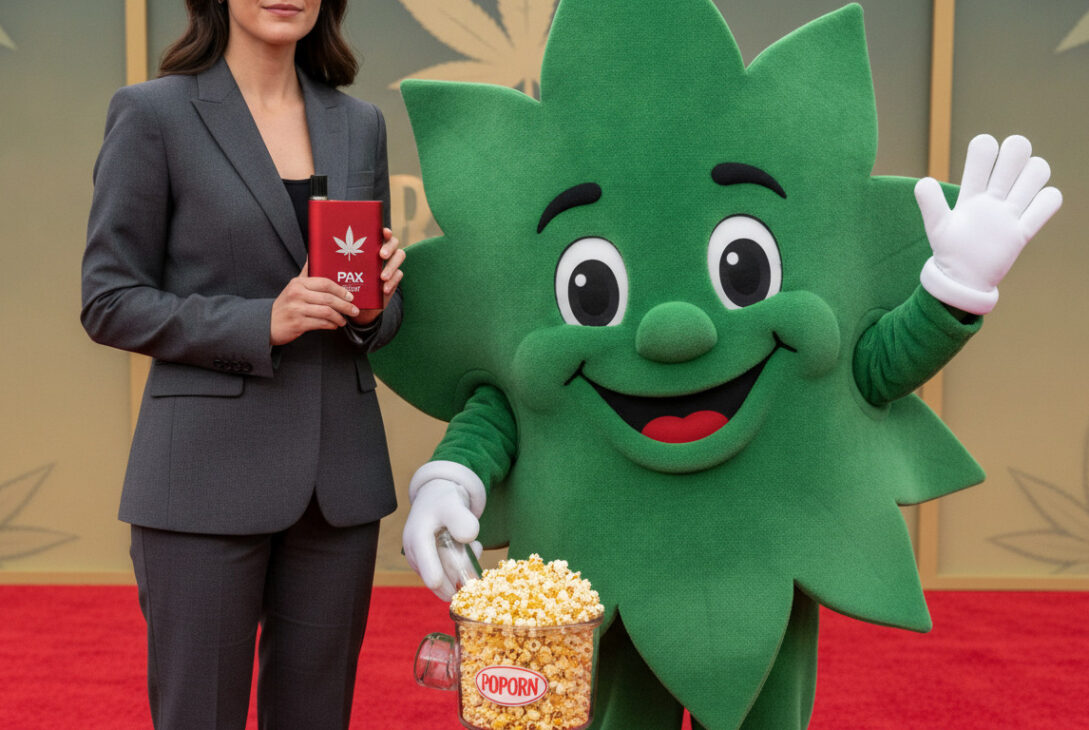
Paramount’s Scary Movie campaign pairs nostalgic comedy with overt cannabis cues. The stunt work ranges from novelty merch and co-branded hardware such as a popcorn pipe that resembles a bong to an official limited PAX Four vaporizer. These props and parody content are designed to spark viral sharing and earned media.
The push ties legacy stars and studio muscle to stoner-friendly stunts and merch. For more on the specific tactics, see our Top 5 tactics below. The campaign echoes fan rituals like midnight screenings and gag merch, which helps it land with core audiences.
It also raises questions about normalization and responsible messaging. Marketers are testing boundaries, and audiences will decide if the jokes land or feel like product placement.
TLDR: Scary Movie marketing to stoners blends cannabis culture, parody content, and co‑branded hardware to spark viral buzz and normalize weed imagery; see the limited edition vaporizer product page and detailed campaign coverage. Read the Top 5 strategies below.
Why scary movies appeal to stoners
Neural effects
- Cannabis can blunt fear by lowering brain threat responses (making fear centers less reactive and narrowing attention). As a result, jump scares feel less overwhelming and often become playful rather than terrifying. review of cannabinoids and threat processing
- The drug also shifts attention toward small sensory details, which can make eerie visuals and sound design stand out. Therefore odd or absurd moments land as humor for some viewers.
Genre fit
- Horror thrives on suspense, sensation, and controlled catharsis; cannabis can heighten sensory detail and intensify suspense. See a review of horror film enjoyment and sensation seeking.
- Consequently, the genre pairs naturally with altered states that make textures, timing, and jokey scares more immersive and shareable.
Cultural rituals
- Shared habits like midnight screenings, group laughter, and novelty merch create a built-in audience for stoner-friendly campaigns. Marketers exploit these rituals with vape collabs, popcorn pipes, and limited drops that fans photograph and share.
- When activations mirror real fan behavior they feel authentic, but they must respect age and safety rules. Therefore testing ideas with community insiders reduces missteps and improves word of mouth.

Top 5 Scary Movie Marketing Strategies for Stoners
Scary Movie marketing to stoners shows five tactics film teams use to reach cannabis audiences. Because these strategies pair nostalgia with cannabis culture, they drive buzz and social sharing. Furthermore, each tactic blends cannabis-friendly promotions with classic horror hooks. Therefore marketers create moments that feel both playful and shareable.
- Co-branded cannabis hardware collaborations
- Partner with a recognized vaporizer brand and launch limited runs. This creates scarcity and prestige, and it converts fans into buyers. See the PAX collaboration here.
- Novelty merch that doubles as a prop
- Design humor-forward items that nod to stoner rituals, like a popcorn pipe. As a result, merch becomes content that fans photograph and post, which amplifies earned media.
- Branded short-form parody content
- Produce micro-series that place characters in ‘absurdly chill scenarios.’ This extends the film’s narrative and boosts streaming and social engagement because viewers share clips.
- Targeted festival and midnight screenings
- Host late shows and experiential events at dispensary-friendly festivals. Therefore the film taps communal rituals and creates word-of-mouth momentum, as reported in promotion coverage here.
- Social-first drops with influencer seeding
- Release teasers that show subtle cannabis cues and seed them to culture influencers. As a result, campaigns feel organic and reach core stoner audiences without overt preachiness.
Comparison of Top Scary Movies Marketed to Stoners
Rows selected for cultural impact, late-night viewing habits, and clear marketing ties to cannabis culture.
| Movie Title | Year Released | Key Cannabis Themes | Marketing Tactics Used | Metrics |
|---|---|---|---|---|
| Scary Movie (2026) | 2026 | Mainstream cannabis cues | Co-branded vape, novelty merch | Tomatometer 24%; box office N/A [Tomatometer and gross — Scary Movie 2026] |
| Evil Dead II | 1987 | Late-night cult viewing | Midnight screenings, cult merch | Tomatometer 88%; US gross $2.6M [Tomatometer and gross — Evil Dead II] |
| The Blair Witch Project | 1999 | College counterculture | Viral grassroots marketing | Tomatometer 86%; US gross $140.5M [Tomatometer and gross — Blair Witch Project] |
| Scream | 1996 | Youth crossover, irony | Teasers, soundtrack events | Tomatometer 78%; US gross $103.7M [Tomatometer and gross — Scream 1996] |
| House of 1000 Corpses | 2003 | Festival shock value | Grindhouse styling, provocative merch | Tomatometer 22%; US gross $12.6M [Tomatometer and gross — House of 1000 Corpses] |
CONCLUSION: Scary Movie marketing to stoners
Scary Movie marketing to stoners demonstrates how studios merge comedy, nostalgia, and cannabis culture into a single campaign. Because the approach uses co-branded hardware, novelty merch, and parody content, it drives social sharing and earned media. As a result, studios can reach niche audiences while also nudging mainstream acceptance.
This niche strategy matters because it aligns product, platform, and lifestyle meaningfully. Furthermore, marketers who respect community norms and safety see stronger engagement. However, campaigns must balance playfulness with responsible messaging to avoid alienating broader audiences.
Looking ahead, filmmakers and cannabis brands have room to innovate thoughtfully. Therefore future campaigns should test experiential events, subtle narrative integrations, and measured influencer partnerships. For more industry analysis and culture commentary, visit My CBD Advisor and follow best practices for ethical crossover marketing.
Frequently Asked Questions (FAQs)
Why do studios use Scary Movie marketing to stoners?
Scary Movie marketing to stoners taps the overlap between cannabis culture and horror fandom. Because stoner audiences value communal rituals and novelty merch, studios find high engagement and shareability. As a result, targeted campaigns can generate earned media and drive ticket sales among core demographics.
What unique approaches work in horror movie marketing to cannabis users?
Co-branded hardware drops create scarcity and earned attention. Furthermore, novelty merch that doubles as a prop becomes social content instantly. Branded micro-series and parody clips extend the narrative and boost short-form sharing. Finally, midnight screenings and festival tie-ins activate communal viewing habits.
Is it legal to market films directly to cannabis users?
Legal rules vary by jurisdiction and channel, so marketers must be careful. For example, California requires ads to target audiences aged 21 and older and forbids content attractive to minors related to advertising and marketing. Moreover, the state’s Business and Professions Code sets licensing and placement rules for cannabis advertising for cannabis advertising laws. Therefore legal review is essential before running cannabis-friendly promotions.
What reputational or commercial risks should marketers consider?
Risk includes alienating mainstream viewers and attracting regulatory scrutiny. If campaigns seem to glamorize underage use, brands face backlash. However, ambiguous stunts can also go viral in helpful ways, so testing and clear boundaries matter. As a result, measured messaging preserves long term brand health.
How can studios run responsible Scary Movie marketing to stoners?
First, age-gate digital content and use verified audience channels. Second, partner with reputable cannabis brands and follow local advertising rules. Third, avoid glamorizing risky consumption and include safety messaging where relevant. Finally, test concepts with community insiders, because authentic feedback reduces missteps and increases cultural resonance.
Related on CBD Advisor
- Why Oklahoma medical cannabis program re-vote matters now
- What makes the Universal Baller vaporizer flavor king
- What is the best travel weed gear of 2026