
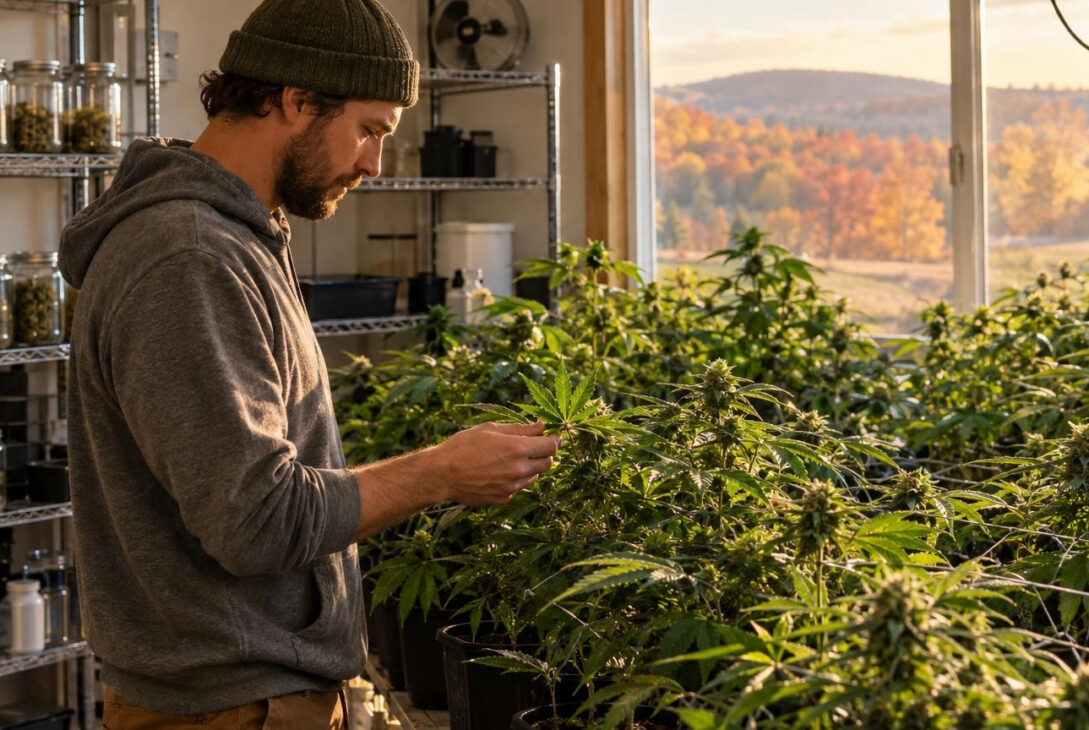
Small-business friendly Pennsylvania cannabis legalization is now central to state policy after the Senate flipped to a Democratic majority. Because regulatory design will determine who wins, the debate matters to small growers, processors and independent retailers. At stake is whether Pennsylvania builds a diverse market or cedes shelf space to a few large operators.
Entrepreneurs need clear rules on licensing, fees, testing and retail access, and consumers need choice and accountability. Therefore, this article promises practical steps and tips for navigating licensing, compliance and market entry in the new environment.
Step 1: Understand Pennsylvania Cannabis Laws
Small-business friendly Pennsylvania cannabis legalization
Small-business friendly Pennsylvania cannabis legalization starts with the existing medical program and recent statute changes. Therefore, regulatory design will determine which operators may grow, process and sell.
Entrepreneurs should read Act 63 of 2023 (PA General Assembly) to understand permit caps and change of control rules. Additionally, the PA Department of Health — Medical Marijuana program publishes application guides, rules and compliance resources.
Key legal areas to track include:
- Licensing categories and eligibility
- Permit limits and ownership rules, including change of control and transfer provisions under the 2023 statute
- Testing, labeling and packaging standards
- Taxes, fees and financial controls
- Retail location and age verification
- Recordkeeping and inspections
The state issues two primary permits: grower/processor and dispensary permits. These are the core business categories that define who operates in cultivation, processing and retail.
Regulatory compliance is strict. For example, businesses must follow testing protocols, package products for safety, maintain seed-to-sale records and verify customers’ ages.
As a result, prepare written policies and a compliance budget before applying. Finally, monitor pending adult-use proposals because they could alter fees and market rules.
Step 2: Prepare Your License Application
Start gathering documents early, as Pennsylvania demands extensive financial, security, and zoning evidence for applications. Be prepared to demonstrate operational readiness and community compliance, which reflects the state’s small-business-friendly cannabis legalization approach.
What paperwork is required to apply?
The core required documents are: a business plan, ownership disclosures, proof of capital, municipal zoning approval, security plan, and diversity/community investment plan.
Prepare these core documents before applying:
- Business plan and operating agreements
- Ownership disclosures and background checks
- Proof of capital and audited financials
- Municipal zoning approval or waiver
- Security and diversion control plan
- Diversity and community investment plan
Fees and timelines vary by permit type, so review official guidance carefully. For example, the Act 63 application instructions (PA Dept. of Health — PDF) list application and permit fees and the submission timetable.
Budget for permit fees, inspection windows, and possible follow-up requests. For details on facility, testing, and operational requirements, see the grower and processor application page.
Hiring experienced consultants, documenting municipal outreach, and submitting complete attachments can increase approval chances, helping reviewers evaluate your application efficiently.
Common Mistakes to Avoid
Therefore, avoid these common errors because they delay approvals and increase costs:
- Incomplete applications and missing attachments
- Also, weak or vague security and diversion plans
- Underestimating startup capital and cash flow
- Failing to secure municipal zoning or community buy-in
- Overlooking testing, labeling and packaging rules
How Long Does It Take to Get a License?
Typical review times are: 6 to 12 months for grower/processor permits and 4 to 8 months for dispensaries.
Review speed depends on application completeness, municipal approvals, inspections and lab backlogs.
License Fees and Approval Timelines in Pennsylvania
| License Type | Associated Fees | Typical Approval Timeline |
|---|---|---|
| Grower/Processor | Application fee $10,000, Permit fee $200,000, Capital requirement $2,000,000 (includes $500,000 deposit) | 6–12 months, includes technical reviews and inspections |
| Dispensary (per location) | Application fee $5,000, Permit fee $30,000 per location (up to $90,000 for three locations), Capital requirement $150,000 | 4–8 months, municipal zoning can add time |
| Renewal / Ownership or Facility Amendment | Renewal fees $10,000 (grower), $5,000 (dispensary), Amendment fee $250 | 4–12 weeks for administrative requests and transfers |
The table highlights permit fees and timelines Source: PA Dept. of Health. Therefore it helps operators estimate costs, plan municipal meetings and schedule lab testing.
For official fee details and application timelines consult the PA — Grower/Processor requirements, PA — Dispensary permits, and Act 63 application instructions (PA Dept. of Health — PDF).
How long do approvals typically take by license type?
Approval timelines vary by license type, with grower/processor taking 6–12 months and dispensary 4–8 months.
Final Thoughts
Understanding and following the Small-business friendly Pennsylvania cannabis legalization process is essential for small operators to win licenses, operate legally and plan for long-term growth.
Therefore, doing the paperwork, meeting security standards and engaging the community reduces delays, lowers future compliance costs and protects local trust. Be thorough and proactive now to improve approval odds and build a resilient, consumer-focused business that serves adults responsibly.
Related on CBD Advisor
- Massachusetts ballot measure to end adult-use cannabis sales explained
- What factors drove Canada adult-use cannabis sales revenue 2025
- Who benefits from North Carolina adult-use cannabis legalization plan