Texas ban on intoxicating hemp flower and vapes
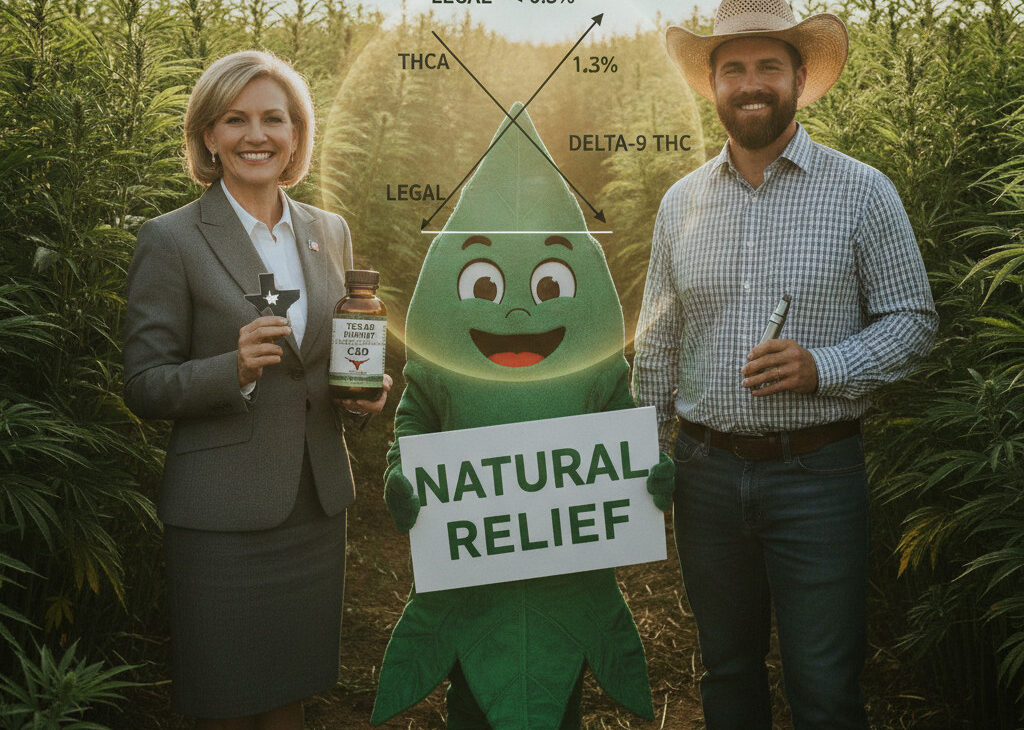
The Texas ban on intoxicating hemp flower and vapes landed this spring and changed the market overnight. Regulators finalized new hemp product rules that took effect on March 31. Because THCA can convert to delta 9 THC when heated, officials limited THCA in sales. Hemp vaporizer products and pre rolls are now broadly prohibited for sale under the new rule.
This change sparked a fierce debate among brands, retailers, and consumers. However, the rule only affects sales, not possession, and it raises costs along the supply chain. License fees for manufacturers rose sharply, and retailers face higher renewal costs. As a result, small businesses worry about survival while consumers seek clarity on legal products.
Read on because we will explain the rules, testing and packaging changes, and steps for brands and buyers. We also cover compliance tips, testing thresholds, and next steps for affected customers. This matters now for public health, business survival, and legal clarity across Texas.
What the Texas ban on intoxicating hemp flower and vapes covers
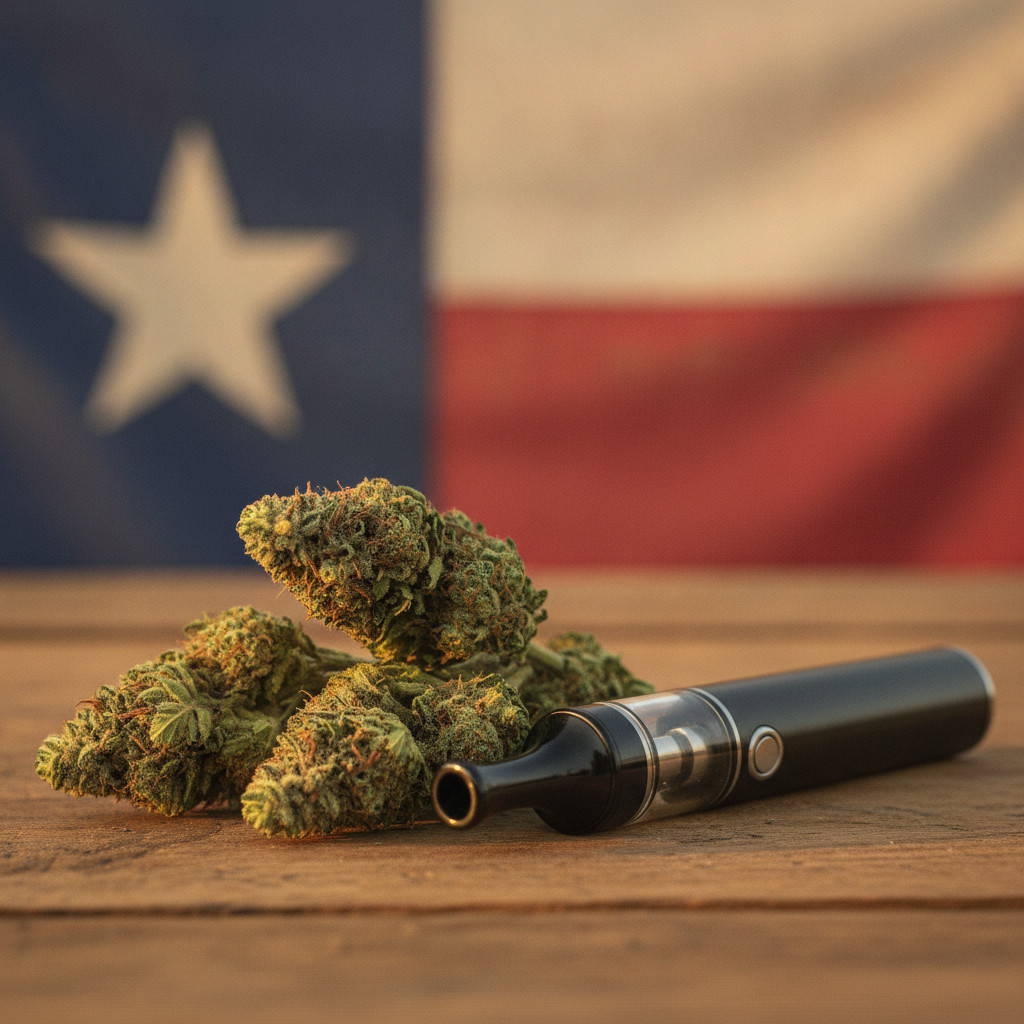
The Texas ban on intoxicating hemp flower and vapes defines which products may not be sold in stores. Because regulators revised state rules, the sale of smokeable hemp flower and most vaporizer products became prohibited as of March 31. The Department of State Health Services set new limits for THCA and clarified how total THC is calculated. For details from the agency, see the official DSHS Consumable Hemp Program page: DSHS Consumable Hemp Program.
Key legal definitions and substances affected
- Intoxicating hemp flower refers to hemp plant material that yields intoxicating amounts of delta 9 THC after decarboxylation. As a result, products that contain high THCA when heated qualify as intoxicating. This change alters prior interpretations of the 0.3 percent federal limit on delta 9 THC.
- Vaporizer products include disposable and refillable devices that deliver heated cannabinoids. In practice, most hemp vape cartridges and pens with intoxicating potential are now off limits.
- Other targeted compounds include derivatives and analogs that produce intoxicating effects when consumed or inhaled. For reporting on how Texas implemented the ban, read this coverage from the Texas Tribune: Texas Tribune coverage.
Why lawmakers gave this rationale
Lawmakers and regulators argued they sought to protect public health and reduce youth access. Therefore, officials focused on products that can quickly deliver delta 9 THC through smoking or vaping. In addition, regulators cited concerns about inconsistent testing and unclear labeling. As a result, the state tightened Texas hemp regulations to require stricter testing and packaging standards.
Practical effects for businesses and consumers
- Hemp flower restrictions now prohibit most pre rolls and loose flower sales.
- Vape laws Texas now block many cartridge and pen sales that produce intoxicating effects.
- Licensing fees and compliance costs increased sharply, which may pressure small producers and retailers.
For additional industry reaction and context, see CannaNews reporting: CannaNews reporting.
This section explains the legal scope. Next we will cover testing thresholds and compliance steps for brands and retailers.
Texas ban on intoxicating hemp flower and vapes: state comparison
Below is a concise comparison of Texas and three other states. It highlights legal status of hemp flower and vapes and enforcement notes.
| State | Legal Status of Intoxicating Hemp Flower | Legal Status of Hemp Vapes | Notes on Enforcement |
|---|---|---|---|
| Texas | Prohibited for sale; THCA-restricted; possession allowed | Broadly prohibited for sale | DSHS rules effective March 31; tighter testing and packaging rules; licensing fees increased and sales enforcement focused |
| California | Prohibited for sale | Prohibited for sale | California Department of Public Health enforcement; active retail checks and compliance efforts |
| Kentucky | Smokable hemp flower prohibited | Allowed if registered and below total THC cap | Uses a total THC standard; products must appear on an approved registry and sell through licensed retailers |
| Colorado | Generally allowed when delta-9 THC is below 0.3 percent by dry weight | Allowed under state hemp rules | State follows the Farm Bill approach; regulators monitor federal total-THC changes that may affect state rules |
Impact on consumers and businesses
The Texas ban on intoxicating hemp flower and vapes hits everyday consumers hard. Many buyers relied on flower and vape products for symptom relief. However, those choices are now limited. Therefore consumers must seek alternatives or face legal uncertainty. This matter matters immediately for people who depend on hemp products.
Consumer safety concerns are real and complex. While regulators argued public health motivated the rules, some consumers worry about access to tested products. As a result, they may turn to unregulated markets. Consequently, the risk of contaminated or mislabeled products could rise. For official regulatory details see the Texas Department of State Health Services.
Market availability changed almost overnight. Retail shelves removed pre rolls and most cartridges. Small shops and online retailers lost core revenue streams. Meanwhile producers face higher licensing and testing bills. Therefore many smaller operations report cash flow problems and closure risks.
Economic implications extend beyond shops. The hemp industry in Texas now faces hiring slowdowns and reduced farm demand. In addition, local suppliers and labs lose business. As a result, state tax receipts from hemp sales may drop. For coverage on market reaction and legal challenges see KUT.
Practical effects for brands and consumers
- Product availability shrank rapidly, especially for smokeable items.
- Vape product restrictions mean fewer cartridges and disposable devices in stores.
- Testing and packaging rules raised compliance costs for manufacturers and retailers.
For consumers, this feels personal. Many face interrupted care and uncertain product safety. For businesses, this feels existential. Many must pivot to edibles, topicals, or beverage products to survive. Therefore industry groups consider legal challenges and policy changes. For broader reporting and state context see the Texas Tribune.
In short, consumer impact reforms and new vape laws in Texas reshaped the market. Brands must adapt quickly. Consumers should check product testing and legal updates before buying.
Conclusion
The Texas ban on intoxicating hemp flower and vapes reshapes both markets and daily choices. Consumers and businesses must understand new rules to stay safe and compliant. Regulators aim to protect public health and reduce youth access. However, the rules raise costs and limit product access for many people. Therefore brands should review testing, packaging, and licensing immediately.
In short, stay informed, adapt quickly, and prioritize safe products. The path ahead looks changeable, but smart planning can protect consumers and firms. We will keep tracking developments.
Frequently Asked Questions (FAQs)
What does the Texas ban on intoxicating hemp flower and vapes mean?
The rule prohibits the sale of smokeable hemp flower and most vaporizer products that can produce intoxicating delta 9 THC. The rule took effect March 31 and comes from the Texas Department of State Health Services. For details see Texas DSHS Hemp Program.
Can I still possess hemp flower or vapes in Texas?
Yes. Possession is not criminalized by the new rule. However, sale and commercial distribution of many smokeable and vape products are restricted. Therefore buyers should avoid purchasing banned items in stores.
What should consumers do to stay safe and legal?
Always check a product’s certificate of analysis and batch testing. If tests are unavailable, do not buy. Also consider alternatives like edibles or topicals that remain regulated. Finally consult your healthcare provider for medical use guidance.
How will enforcement affect retailers and small businesses?
Enforcement targets sales and retail compliance. License fees and testing costs rose sharply, so many small shops face financial strain. For reporting on market impact see KUT Report on Market Impact.
What happens next—can these rules change?
Rules may change through litigation or legislative action. In addition regulators could refine testing or packaging standards. Therefore brands should monitor updates and build flexible compliance plans.