
Thai landrace genetics preservation: Why KD Genetics’ seed-saving work matters
Thai landrace genetics preservation stands at the crossroads of culture, medicine, and biodiversity. KD Genetics leads this work from Koh Tao, Thailand. They save seeds and cultivate landrace strains because locals and patients depend on them. This introduction explains why that mission matters, and what to expect next.
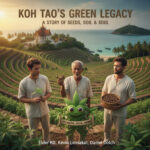
Aram Limsakul, known as KD, blends tradition with careful seed stewardship. His team travels, collects seeds from Nepal, India, and Jamaica, and crosses them back into Thai genetics. As a result, KD Genetics preserves diversity while creating new Thai strains for future growers.
Why this matters
- It protects unique traits adapted to Thai climates, therefore preserving resilience.
- It supports traditional seed-sharing and community knowledge, because farmers rely on living memory.
- It fuels medical and horticultural research, so future therapies and strains stay rooted in place.
Later sections will profile KD and his team. They will show seed-saving methods and explore the ethics of sharing seeds.

Why Thai landrace genetics preservation matters
Preserving Thai landrace genetics protects more than plants. It safeguards local culture, traditional knowledge, and unique biological traits. KD Genetics works on Koh Tao to keep these traits alive through seed saving and careful breeding. Therefore, preservation links communities to their land and to future research.
Biodiversity and environmental resilience
- Landrace genetics contribute to cannabis biodiversity and ecosystem stability.
- Because these plants adapted to Thai climates, they carry drought and pest resilience.
- As a result, breeders can use those traits to develop robust Thai strains for varied environments.
Cultural heritage and seed exchange
- Seed saving preserves stories, rituals, and communal knowledge about growing and medicine.
- KD and local growers practice seed exchange, which keeps traditions living across generations.
- Moreover, this practice builds trust and shared stewardship rather than commercial secrecy.
Unique chemistry and medical value
- Thai landraces often show unique cannabinoid and terpene profiles.
- Consequently, researchers and patients may find novel therapeutic compounds in these plants.
- For practical seed-saving methods, see the guide at Leafly.
Genetic conservation and global value
- Ex situ and in situ conservation both matter for long-term genetic conservation. For broader conservation context, read Nature Plants.
- In addition, genebank genomics can help make landrace traits usable for breeders and scientists: Nature Genetics.
In short, Thai genetics hold ecological, cultural, and medical value. Protecting them sustains cannabis biodiversity, strengthens local communities, and fuels future breeding and research.
Thai landrace genetics preservation: quick comparison
Preserving Thai landrace genetics helps protect rare traits and cultural knowledge. KD Genetics and other stewards save seeds to support cannabis biodiversity and genetic conservation. Below is a clear comparison that shows what makes Thai landraces unique.
Related keywords and synonyms: landrace genetics, Thai genetics, cannabis biodiversity, seed saving, genetic conservation
| Variety | Origin | Typical cannabinoid profile | Terpene and flavor notes | Growth traits | Popularity | Preservation status | Typical uses |
|---|---|---|---|---|---|---|---|
| Thai landrace | Thailand (Koh Tao and mainland regions) | Often sativa dominant, moderate to high THC, low CBD | Citrusy, herbal, spicy; classic sativa terpenes | Tall, long flowering, heat and humidity adapted | Niche with growing interest | Vulnerable; actively conserved by seed savers | Traditional medicine, breeding for sativa traits |
| Afghan indica | Afghanistan | High THC, often higher CBD than many sativas | Earthy, resinous, hashy | Short, bushy, resilient to cold | Historically popular for hash | Stable in seed banks and farms | Hash production, indica breeding |
| Colombian Gold | Colombia | Sativa dominant, moderate THC | Sweet, tropical, floral | Tall, long flowering, favors sun and altitude | Cult classic among sativas | At risk in wild, preserved by enthusiasts | Traditional medicine, breeding sativas |
| Modern hybrid (example OG Kush) | USA (hybridized) | High THC, variable CBD | Pine, diesel, citrus | Controlled indoor growth, shorter cycles | Very popular commercially | Widely available; not at risk | Recreational, medical, commercial breeding |
| Hemp cultivar | Various global | Low THC, higher CBD in some strains | Mild, grassy | Short to tall, fiber or seed bred | Very popular for industry | Widely conserved and regulated | Fiber, seed oil, CBD products |
This table clarifies differences in origin, chemistry, and conservation need. Therefore, Thai landraces stand out for cultural ties and climatic adaptations. Protecting them supports future research and resilient breeding.
Current efforts in Thai landrace genetics preservation
Grassroots seed saving remains the backbone of preservation work. KD Genetics leads local efforts on Koh Tao and shares seeds with growers across Thailand. For more on their farm and projects, visit KD Genetics.
Research initiatives and seed banking
- Universities and independent researchers document genetics and chemistry. These studies help breeders and conserve traits.
- Seed banking offers ex situ protection, and global vaults provide long-term backups. For a model of global seed storage, see the Svalbard Global Seed Vault.
- Digitized collections and genotype records make seeds more traceable and usable for research.
Role of local communities
- Farmers and islanders practice seed exchange and oral stewardship. Their knowledge guides what seeds to save and why.
- Because of community trust, seed sharing avoids commercialization and supports cultural continuity.
- KD mentors younger growers, and this keeps practical skills alive for future generations.
Major challenges
- Habitat loss reduces wild and feral populations, therefore shrinking available genetic pools.
- Crossbreeding with modern hybrids dilutes pure landrace traits and complicates conservation.
- Legal restrictions still limit research, seed exchange, and open seed banking in many regions.
Addressing cannabis conservation challenges
- Combining community stewardship with formal seed banking adds resilience.
- Therefore, policy reform and scientific partnerships must align to protect landrace genetics.
- As a result, Thai landrace preservation can support biodiversity, medicine, and cultural heritage.
Conclusion
Thai landrace genetics preservation matters for people, place, and science. It protects unique traits and local knowledge. Therefore, it keeps options open for future medicine and breeding.
Looking ahead, protected Thai genetics can fuel resilient strains for changing climates. They can also reveal new cannabinoid and terpene profiles for therapy. However, success requires legal clarity, community trust, and long term seed banking.
MyCBDAdvisor remains committed to accurate, research driven coverage of landrace genetics and seed saving. We will highlight projects, report new science, and support ethical conservation. For trusted resources and continued updates, see our site: MyCBDAdvisor.
In short, saving Thai landraces honors culture and advances cannabis science. Therefore, it deserves attention, funding, and respectful stewardship.
Frequently Asked Questions (FAQs)
What is Thai landrace genetics preservation?
Thai landrace genetics preservation means protecting native cannabis gene pools. These genetics evolved in Thailand for centuries. Therefore, they include unique cannabinoid and terpene profiles. Preservation uses seed banking, community seed exchange, and in situ care. Preservation also protects cultural rituals tied to seeds.
Why is preservation important?
It safeguards cannabis biodiversity and cultural heritage. Because landraces adapt to local climates, they offer resilience traits. As a result, breeders and scientists can access these traits for future strains. Moreover, patients may benefit from rare chemotypes. This work supports long term genetic conservation efforts.
How are seeds and genetics conserved?
Stewards use both ex situ and in situ methods. Seed banking stores seeds under controlled conditions. KD Genetics practices seed saving and sharing on Koh Tao; see KD Genetics. For seed handling techniques, see Leafly. Global vaults like Svalbard provide long term backups: Svalbard Global Seed Vault. Genotyping records help researchers track lineages over time.
What challenges face preservation efforts?
Habitat loss reduces wild populations. Crossbreeding with hybrids dilutes pure lines. Legal restrictions limit research and seed exchange in some regions. Climate change adds stress, therefore urgent action matters. Therefore, policy reform and community partnerships must address these obstacles.
How can I help protect Thai landrace genetics?
Support ethical seed savers and community projects. Donate time or funds to conservation groups. Volunteer with local seed libraries or community gardens when possible. Advocate for sensible cannabis research laws. Finally, stay informed through research driven sites and local initiatives. Learn from trusted resources and avoid buying seeds from exploitative sellers.