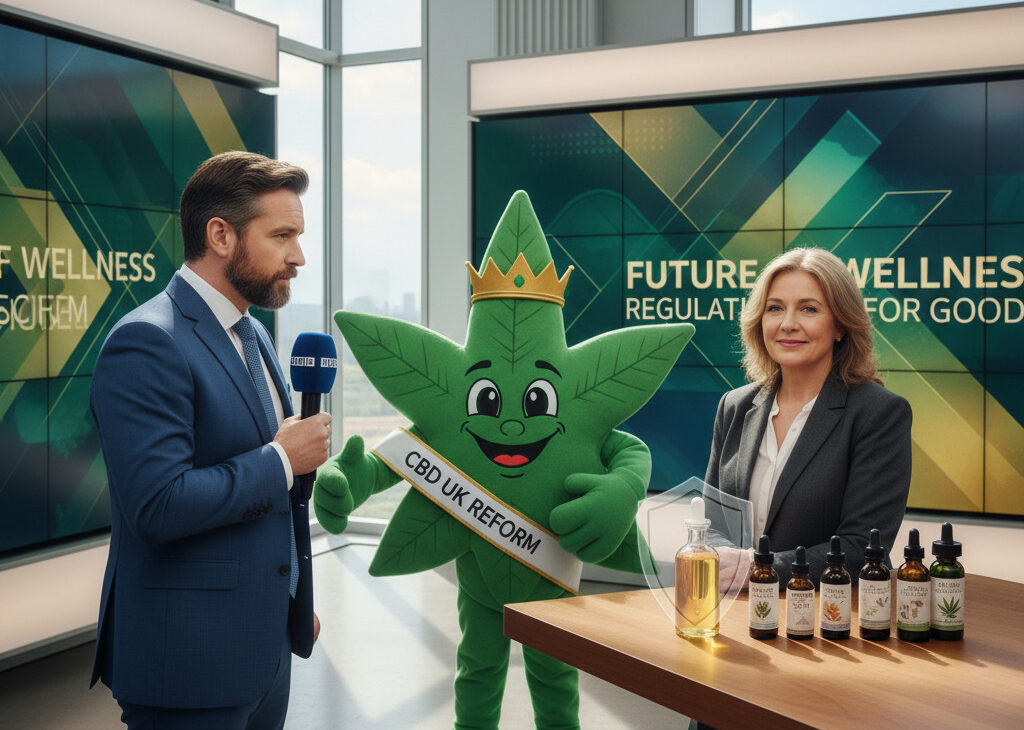
UK CBD novel foods regulation: What changed and why it matters
UK CBD novel foods regulation has shifted quickly in recent months. Because regulators reclassified many hemp extracts, the market now faces new hurdles. Consumers and businesses must adapt to safety checks and authorization rules. Therefore the stake is high for product availability and consumer trust.
Since 2019 regulators signalled that cannabidiol products likely fall under novel foods. However the process moved slowly and attracted legal challenges and stakeholder pushback. The Article 4 filings now contest how whole-plant hemp foods get treated. In addition traditional methods like cold pressing are central to the debate.
For consumers this means clearer safety data, but also fewer unverified products on shelves. For businesses this means more testing, higher compliance costs, and uncertain timelines for approval. As a result strategy, sourcing and labeling are all under pressure.
This introduction sets out why the issue matters. The article will explain governance questions, recent FOI revelations, and what the future might hold for CBD in the UK. Read on for an evidence driven, practical guide.
UK CBD novel foods regulation: overview and legal context
The UK CBD novel foods regulation defines how cannabidiol products get assessed and authorised for sale. Its purpose is to protect consumers by ensuring products meet safety standards. Therefore regulators require evidence on composition, toxicology and long term safety before approving products.
Scope and legal context
- The Food Standards Agency (FSA) leads CBD novel food work in the UK. See the FSA guidance at official details.
- The novel foods process covers cannabidiol (CBD) products and many hemp extracts when they lack a documented history of safe use before May 1997.
- Since 2019 regulators have treated CBD as a potential novel food, and industry has navigated complex tests and delays.
How the regulation affects product approvals
- Applicants must submit safety dossiers to the FSA for assessment. As of early 2026 there were 11,456 products on the FSA public register. Roughly 10,200 were marked awaiting evidence, 900 were under safety assessment, 250 in risk management, 106 authorised or green lighted, and 409 removed or disqualified. These figures show the scale of backlog and regulatory scrutiny.
- Approval hinges on robust data. Therefore many companies face added testing costs and longer timelines. As a result some products move to provisional status or leave the market.
Industry impact and contested issues
- The Article 4 challenge argues certain whole plant hemp foods (for example full spectrum and broad spectrum extracts) should not automatically be novel. Hemp Hound and the Cannabis Trade Association (CTA) pressed this point.
- A Freedom of Information response revealed a meeting on October 3 2025 between the CTA and the FSA about Article 4. However there was no clear auditable record of that discussion. The FSA emphasised it does not share application details without consent.
- Traditional methods such as cold pressing, tincturing and ethanol extraction are central to the debate. Hemp Hound claims these methods have a history of consumption before May 1997.
For broader market context and trends see this article.
| Region | Regulatory body | Product approval process | Consumer impact |
|---|---|---|---|
| United Kingdom | Food Standards Agency (FSA) | Regulated under the novel foods regime. Applicants submit safety dossiers. May 1997 history criterion applies. FSA public register listed 11,456 products in early 2026, showing backlog and scrutiny. | Greater safety checks and fewer unverified products. Therefore higher compliance costs for businesses and tighter market access for some products. |
| European Union | European Food Safety Authority (EFSA) | Central novel food authorisation under the EU Novel Foods Regulation. Since 2019 EU interpretation treats CBD and hemp extracts as novel, prompting central assessments. | Union list creates central approvals; however member state enforcement varies. As a result market access can be uneven across Europe. |
| United States | U.S. Food and Drug Administration (FDA) | FDA has not authorised CBD as a food or dietary supplement. Therefore enforcement targets unlawful claims and unsafe products. Regulatory uncertainty remains. | Many unapproved products exist. Consequently consumers face variable product quality and safety risks. |
| Canada | Health Canada | Cannabis Act governs CBD. Licensed producers and product authorisations are required. Products need testing, labelling and market authorisation. | Legal supply channels and tighter controls increase consumer protections but limit informal market options. |
Impact of UK CBD novel foods regulation on consumers and businesses
The UK CBD novel foods regulation delivers clearer CBD safety standards for the market. As a result consumers gain more reliable product information and stronger protections. However the rules also change how companies sell and label products.
Benefits for consumers
- Improved CBD safety: The FSA requires safety dossiers and testing. Therefore products that pass approval have documented composition and toxicology data.
- Greater CBD market transparency: Approved listings on the FSA register help consumers spot authorised products. As a result buyers can avoid unverified or potentially unsafe items.
- Better labelling and claims control: Because regulators target misleading claims, consumers see more accurate information on packaging and websites.
Challenges for consumers
- Fewer small or artisanal options may appear on shelves due to compliance costs. Consequently some niche products disappear.
- Short term higher prices can result as businesses pass testing costs to buyers.
Effects on businesses
- CBD business compliance now demands robust evidence and lab work. For example many firms must fund analytical testing and toxicology studies before submitting dossiers.
- Regulatory backlog creates uncertainty. Early 2026 FSA data showed 11,456 products on the public register, with roughly 10,200 awaiting evidence and only 106 authorised or green lighted. Therefore timelines can stretch and planning becomes harder.
- Increased costs and complexity push some operators out of the market. As a result consolidation favors larger brands with compliance budgets.
Practical examples and strategy
- Companies that use traditional methods, such as cold pressing, cite historical use in Article 4 filings to argue for non novel status. Yet regulators may still require data.
- Smaller brands should prioritise lab testing, clear labels and professional dossiers. Moreover partnering with accredited labs often speeds approval.
In short the regulation raises CBD safety and transparency. However it also creates compliance burdens and market shifts. Businesses and consumers must adapt to a more evidence driven marketplace.
CONCLUSION
UK CBD novel foods regulation has reshaped how cannabidiol products reach the market. It raises safety standards and forces clearer labelling. However it also increases compliance costs and adds timelines for approvals. The Article 4 challenge highlights contested areas such as whole plant extracts and traditional processing methods.
Staying informed matters because rules continue to evolve. Therefore consumers should look for authorised products and verified lab reports. Businesses should prioritise robust testing and transparent dossiers to reduce regulatory risk. As a result brands that invest in compliance will likely gain consumer trust and competitive advantage.
In short the regulation improves CBD safety and market transparency. Yet it also demands adaptation from producers and retailers. Keep watching developments, and rely on evidence based guidance to navigate the changing UK CBD landscape.
Frequently Asked Questions (FAQs)
Is CBD legal to buy and use in the UK?
Yes. CBD is legal when it contains less than 0.2% THC and meets product rules. However, many CBD products fall under novel foods rules if they lack a history of safe use before May 1997. Therefore check the FSA register and product lab reports before purchase.
How can I check CBD safety and product transparency?
Look for third party lab reports, batch certificates, and clear ingredient lists. Also prefer products on the FSA public register. CBD safety improves when brands publish certificates and testing data.
What must businesses do for CBD business compliance?
Prepare a full safety dossier, fund analytical testing and toxicology work, and maintain traceability. Moreover, update labels and avoid unverified health claims. Partnering with accredited labs speeds the process.
Are there compliance deadlines I should know?
Deadlines have shifted and backlogs exist. As a result, many listings are still awaiting evidence. Therefore monitor FSA guidance and respond quickly to evidence requests.
Where can I get reliable updates and guidance?
Use the FSA website for rules and MyCBDAdvisor for research driven analysis and practical tips.