Vermont State University Cannabis Education Partnership
Vermont State University cannabis education partnership marks a major step for campus-based cannabis training and workforce development. This collaboration brings classroom rigor to real-world industry needs, because students need practical skills. Therefore, VTSU will connect its Cannabis Studies Certificate and compliance training to regional employers.
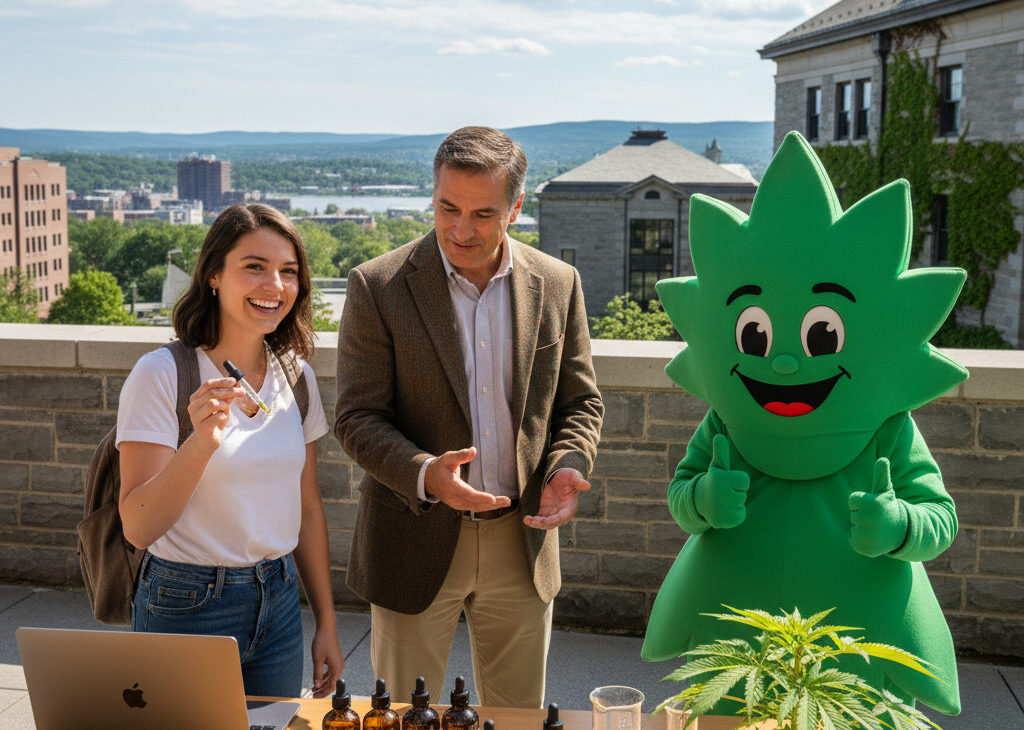
At the Vermont Cannabis Convention, VTSU will present panels, workshops, and hands-on demonstrations. Moreover, the program covers cultivation, research, legal issues, and commercial operations. As a result, students gain credentials that employers value across New England.
Dr. Phil Lamy and campus leaders will guide curriculum toward workforce gaps identified by industry. Because the convention attracts producers and researchers, attendees will access direct hiring pathways. Ultimately, this Vermont State University cannabis education partnership advances public scholarship and local economic growth.
Furthermore, Vermont State University frames cannabis education as interdisciplinary public policy and applied science. Therefore, readers should expect coverage of program details, workforce initiatives, and convention highlights. Finally, this story shows how higher education can shape a responsible, skilled cannabis sector.
What the Vermont State University cannabis education partnership includes
Vermont State University will serve as the official educational partner for the 2026 Vermont Cannabis Convention. Therefore, VTSU will bring its Cannabis Studies Certificate program to convention panels, hands-on workshops, and employer roundtables. The university will also offer Cannabis Employee ID Card Compliance Training that aligns with state requirements.
Goals of the partnership
- Bridge classroom learning with real-world industry needs. Because employers need trained staff, VTSU focuses on practical skills.
- Create hiring pathways for students and job-seekers. As a result, convention attendees can meet employers directly.
- Raise public literacy about cannabis policy, science, and operations. Moreover, the program emphasizes legal and ethical practice.
How students benefit
- Earn a 12-credit Cannabis Studies Certificate that covers cultivation, research, policy, and commercial operations.
- Complete compliance training required for Vermont’s cannabis workforce.
- Access workshops, networking, and direct feedback from industry leaders.
Community and industry impact
- The partnership supports a skilled workforce across New England, which helps local businesses scale responsibly.
- It strengthens ties between higher education, regulators, and producers, leading to better-informed policies.
- Finally, convention programming amplifies community engagement through panels and hands-on demonstrations.
Learn more about the Cannabis Studies Certificate at the Cannabis Studies Certificate and the Vermont Cannabis Convention at the Vermont Cannabis Convention.

Vermont State University cannabis education partnership and program comparison
Below is a quick comparison of notable U.S. cannabis education programs. These entries highlight program focus, degree type, typical duration, and unique features. Because readers often want clear choices, this table helps compare options at a glance.
| University | Program focus | Degree type | Typical duration | Unique features and links |
|---|---|---|---|---|
| Vermont State University | Interdisciplinary cannabis studies covering culture, law, science, and commerce | 12-credit Certificate | One semester to one year | State-aligned compliance training; convention partnership. Learn more |
| Northern Michigan University | Medicinal plant chemistry; cultivation and operations | B.S. and certificates | 2-4 years for degree; certificates shorter | Hands-on labs and industry ops certificates. Learn more |
| SUNY Morrisville | Specialty crops and cannabis production; industry minor | Certificate and minor | Weeks to one year for certificate; minor 2-4 years | Focus on production skills and extension outreach. Learn more |
| University of Vermont | Cannabis science and medicine; policy and clinical use | Continuing education certificate | Variable, modular | Emphasis on clinical applications and policy. Learn more |
| UC Davis | Cannabis research and outreach | Research center and courses | Ongoing programs | World-class research facilities and extension. Learn more |
| Cornell University | Hemp cultivation and production | Certificate (eCornell) | Short online certificate | Strong ag focus and agronomy resources. Learn more |
| University of Maryland | Medical cannabis science and therapeutics | Master of Science | 1-2 years | Graduate level clinical and pharmacology focus. Learn more |
Use this table to compare program goals, practical training, and links to official pages. As a result, prospective students can find the best fit fast.
Cannabis Education Partnerships
Cannabis education partnerships create measurable benefits for towns, employers, and students. They build skills, improve public understanding, and support safe industry growth. As a result, local economies receive trained workers who know compliance and best practices.
Workforce Development and Hiring
- Vermont State University trains students with the Cannabis Studies Certificate to meet job needs. Because employers need practical skills, students leave ready to work.
- The partnership opens hiring pathways at the Vermont Cannabis Convention and beyond. For event details, see Vermont Cannabis Convention.
Research, Innovation, and Best Practices
- University-led research advances cultivation, lab methods, and product safety. Moreover, applied studies inform local growers and processors.
- VTSU teams partner with producers to test techniques and share findings. As a result, commercial operations adopt better practices.
Community Awareness and Public Policy
- Hands-on workshops and panels increase public literacy about law and science. Consequently, community members make informed choices.
- The program’s compliance training reduces regulatory risk and boosts trust. For program information, visit Vermont State University Cannabis Studies.
Economic Resilience and Local Impact
- Educational partnerships help small businesses scale responsibly. Therefore, they create stable jobs and generate tax revenue.
- Finally, these collaborations strengthen ties between educators, regulators, and industry leaders. Thus, the Vermont cannabis industry benefits from a steady pipeline of skilled professionals.
The Vermont State University cannabis education partnership sets a new standard for campus-based cannabis training. It links classroom learning, compliance training, and industry networks to real hiring pathways.
Dr. Phil Lamy and VTSU shape curriculum around workforce needs. Moreover, the partnership expands research into cultivation, safety, and policy. This work benefits local growers and regional employers.
MyCBDAdvisor tracks these developments to provide clear, research-driven cannabinoid information. For example, our coverage ties program outcomes to workforce and policy trends. Visit MyCBDAdvisor for more analysis and resources.
Ultimately, the partnership accelerates education, builds a skilled workforce, and supports safe industry growth. Therefore, it represents a model for other universities and communities.
Frequently Asked Questions (FAQs)
What is the Vermont State University cannabis education partnership?
The partnership makes VTSU the educational partner for the 2026 Vermont Cannabis Convention. It links the 12 credit Cannabis Studies Certificate to panels, workshops, and employer roundtables. Because the program includes Cannabis Employee ID Card Compliance Training, students meet state requirements. As a result, coursework matches industry needs.
Who can enroll in the Cannabis Studies Certificate?
Students, working professionals, and job-seekers may enroll. The program works as a one semester to one year certificate. Moreover, courses run in hybrid and in-person formats. Contact VTSU for admissions details.
How does the partnership help students find jobs?
The convention and VTSU create hiring pathways. Students network with producers, retailers, and researchers at events. Therefore, employers can recruit trained applicants on the spot. Completion of compliance training also speeds hiring.
Does the program include hands-on training and research?
Yes. VTSU offers hands-on workshops, labs, and applied research projects. Dr Phil Lamy leads curriculum tied to cultivation, lab methods, and policy studies. As a result, students gain practical skills for commercial operations.
How will the local community and industry benefit?
The partnership builds a skilled local workforce. It improves public literacy about law, safety, and economics. Consequently, small businesses scale responsibly and trust in the sector grows. Finally, research partnerships raise production standards.