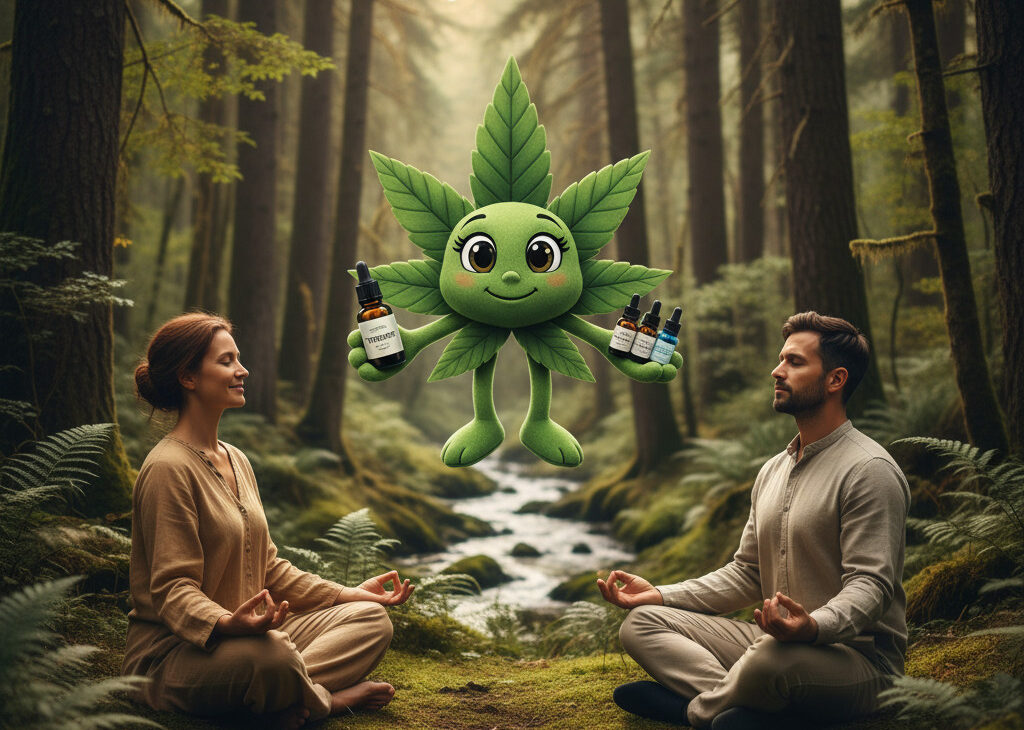
Weed as a countercultural tool against hustle culture has become a clear, calming act of resistance. Hustle culture prizes constant productivity, grinding, and visible achievement above rest. Consequently, many people sprint from email to meeting to side project without pause. In contrast, cannabis invites a slower tempo and gentle recalibration of priorities. For example, an evening with an indica, linalool-rich strain can soften sharp edges.
Instead of racing through tasks, users report noticing small joys like sunlight and deep breaths. Moreover, CBD acts as an anxiolytic, and THC alters time perception for some. Therefore, cannabis can function as a practical tool for reclaiming pause and presence. At the same time, mindful use matters because excess becomes escapism. This piece explores indica strains, terpenes, and small rituals that resist the grind.
Along the way, you will learn how to balance productivity with restorative habits. Ultimately, the goal is not laziness but a thoughtful life with better rhythm.
Weed as a Countercultural Tool Against Hustle Culture
Weed as a countercultural tool against hustle culture often appears as a quiet act of refusal. In this role, cannabis becomes part of a broader cannabis lifestyle that values presence over constant output. Hustle culture pushes people to prioritize visible productivity and relentless side projects. As a result, many feel chronic stress and burnout.
Moreover, cannabis offers a contrasting tempo. CBD can reduce anxiety and help people slow down, and studies support this effect: Study on CBD and Anxiety. Meanwhile, THC can alter time perception, making moments feel longer and more vivid: Study on THC and Time Perception. Therefore, cannabis can act as hustle culture stress relief for some users.
Key ideas and why they matter
- Cannabis lifestyle choices prioritize rest and ritual.
- Terpenes like linalool and myrcene support relaxation.
- Intentional, moderate use distinguishes therapy from escape.
- Social rebellion arises when leisure resists productivity worship.
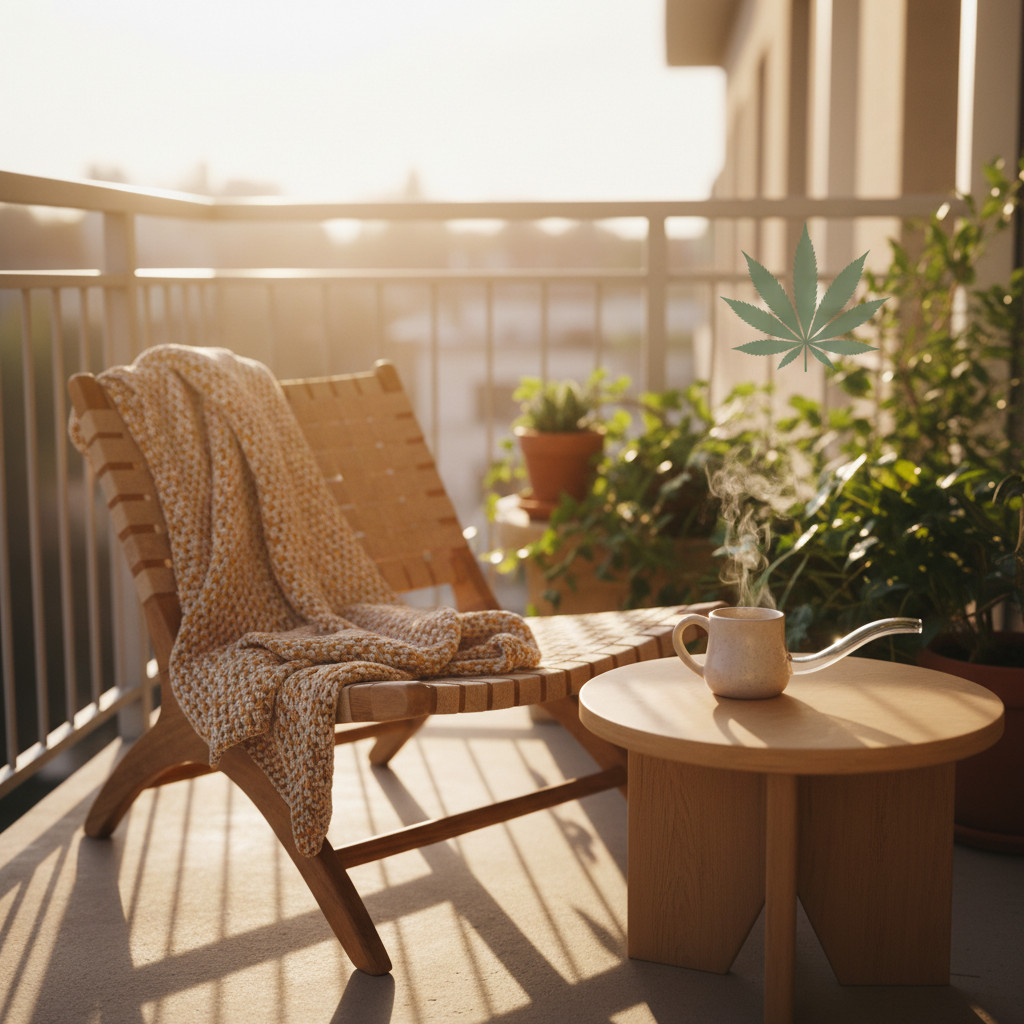
For example, picture a freelance designer after a long week. They brew herbal tea, select an indica-dominant strain, and sit on a sunlit balcony. Suddenly, the rhythm slows. As a result, they notice the texture of paper and the sound of distant traffic. This tiny ritual does more than relax them; it rewires what counts as a productive evening.
Finally, cultural context matters. Critics argue that smoking alone cannot solve systemic pressure. However, when paired with mindfulness and boundaries, cannabis can become a practical tool of resistance. For more on the pressures of hustle culture see this piece: Guardian Article on Burnout.
Psychological and Social Insights: Why People Choose Weed as Resistance
Weed as a countercultural tool against hustle culture often begins with mental strain. Hustle culture creates constant pressure to perform. As a result, people face chronic stress and burnout. The World Health Organization now recognizes burnout as an occupational phenomenon. For details see this article. Therefore many seek alternatives to the always-on lifestyle.
Stress, FoMO, and digital overload
- Fear of missing out fuels nonstop checking and anxiety. Research links FoMO with higher burnout risk: this study.
- Social media increases cognitive load and distraction, which raises stress levels: this research.
Why cannabis becomes attractive
- Cannabis lifestyle rituals create deliberate pauses and boundaries.
- CBD reduces anxiety for many users, offering hustle culture stress relief (this article).
- THC can slow subjective time, which helps people savor moments (this study).
A relatable vignette
Imagine a junior analyst exhausted by long shifts and endless pings. They light a joint on a quiet porch, breathe, and feel small anxieties ease. Consequently they practice presence, not avoidance. In this way, cannabis often serves as both coping tool and quiet social rebellion against productivity worship.
Caveats and the social frame
Importantly, cannabis alone does not fix systemic work pressures. However, when paired with supportive habits and limits, it can help people carve humane rhythms.
Hustle Culture vs Weed Counterculture
| Aspect | Hustle Culture Characteristics | Weed Counterculture Characteristics |
|---|---|---|
| Tempo | Fast, urgent, fragmented tasks | Slow, deliberate, expanded moments |
| Core value | Productivity and visible achievement | Presence, rest, and inner rhythm |
| Time perception | Clock-driven, compressed time | Subjective slowing, savoring minutes |
| Rest | Seen as downtime to minimize | Seen as essential for recovery and creativity |
| Social signaling | Bragging about busyness and hustle | Rituals that signal resistance to grind |
| Mental health response | High stress, burnout risk | Anxiety reduction, contemplative states |
| Rituals | Multitasking, constant notifications | Tea, curated strains, mindful pauses |
| Productivity metric | Output, hustle proof | Balanced output plus wellbeing |
| Digital behavior | Constant connectivity and FOMO | Intentional disconnection, boundaries |
| Risk | Normalized overwork, health decline | Potential escapism if used excessively |
Conclusion
Weed as a countercultural tool against hustle culture symbolizes a broader cultural shift toward humane rhythms and wellbeing. Work no longer defines value for many people. Therefore, people reframe productivity to include rest and presence. Cannabis enters this change as both symbol and tool. CBD and indica-rich strains promote anxiety reduction and contemplative states. At the same time, mindful use separates therapeutic benefit from avoidance.
Frequently Asked Questions (FAQs)
What does ‘Weed as a countercultural tool against hustle culture’ mean?
It describes using cannabis to resist nonstop productivity. In short, people use cannabis to slow the pace. Moreover, it frames weed as both symbol and practice that values rest and presence.
How can cannabis help with hustle culture stress?
CBD often eases anxiety. THC changes subjective time for some users and supports savoring. Terpenes like myrcene and linalool promote relaxation. Therefore many find cannabis useful when paired with mindful rituals.
Is using weed here just escapism?
Not necessarily. When used with intention, cannabis supports presence and reflection. However, excessive use can become avoidance. So combine cannabis with therapy, clear boundaries, and slow practices.
Are there risks or legal issues?
Yes. Laws differ by location, so check local rules. Cannabis can interact with medications. Also, high THC can worsen anxiety for some people.
How do I practice this responsibly?
Start low and go slow. Choose indica-dominant or balanced CBD strains for calm. Create rituals like tea, breathwork, or a short walk. Finally, set limits to keep cannabis a tool for wellbeing.