
Draft Introduction with Main Keyword
Discover why formulators and wellness-minded consumers should watch cannabistilbenes for their potential to boost anti-inflammatory effects and improve compound absorption.
Cannabistilbenes are a class of non-cannabinoid stilbenoids from Cannabis sativa that are drawing attention for unique bioactivity. Compounds such as Canniprene and Cannabistilbene I have shown anti-inflammatory and permeability properties in lab studies and reviews, highlighting new pathways beyond CBD and THC link and link.
Early research also suggests antifungal interactions and promising absorption profiles that could complement full-spectrum extracts and topical formulations, opening routes for novel wellness products link.
In this article you’ll learn:
- Key benefits including anti-inflammatory and absorption-enhancing actions
- Safety considerations given limited clinical data and product verification
- Real-world uses and formulation ideas that incorporate cannabistilbenes
What are cannabistilbenes?
Cannabistilbenes are non-cannabinoid stilbenoid compounds found in Cannabis sativa that researchers study for anti-inflammatory, antifungal, and absorption-enhancing properties. For example, Canniprene inhibits the 5-lipoxygenase pathway and Cannabistilbene I shows strong skin and intestinal permeability, suggesting therapeutic potential. Therefore, cannabistilbenes may complement cannabinoids in full-spectrum plant extracts for broader wellness effects.
Benefits of Cannabistilbenes
- Anti-inflammatory action — Canniprene and related stilbenoids inhibit the 5-lipoxygenase pathway and can modulate COX-2, reducing eicosanoid-driven inflammation and enzyme-mediated signaling [5-LO inhibition study]. These enzyme effects point to topical anti-inflammatory creams and full-spectrum extracts for localized pain and skin inflammation.
- Enhanced permeability and oral absorption — Cannabistilbene I and analogs predict high skin permeability, strong intestinal uptake, and improved pharmacokinetics that may raise bioavailability versus unformulated cannabinoids [permeability and pharmacokinetics modeling]. As a result, formulators can explore transdermal creams, oral oil extracts, and absorption boosters that amplify the entourage effect in whole-plant products.
- Antifungal and antimicrobial leads — Computational studies using in silico docking link stilbenoids to fungal targets such as GMP synthase and Chitin Synthase 2, supporting antifungal and antimicrobial potential [in silico docking study]. These findings support development of antifungal topicals, preservative adjuncts, and preclinical neuroprotection or antimicrobial screens for stilbenoid phytochemicals.
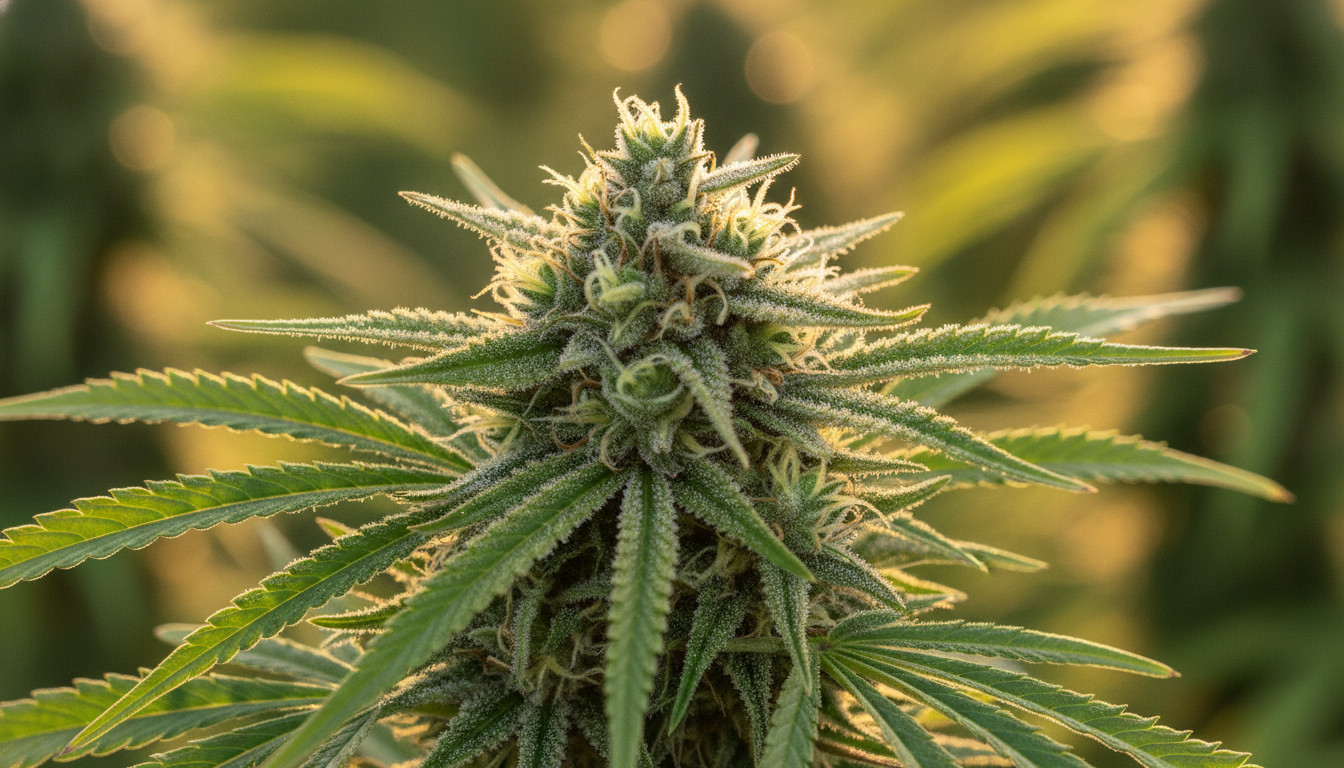
Comparison of Cannabistilbenes and Other Cannabinoids
| Cannabistilbenes (stilbenoids) | Cannabistilbenes | CBD | THC |
|---|---|---|---|
| Chemical class | Dihydrostilbenoids; non-cannabinoid stilbenoids | Phytocannabinoid; non‑intoxicating | Phytocannabinoid; intoxicating |
| Source in plant | Resin and flowers; 14 identified | Hemp and cannabis; abundant | Cannabis flowers and resin; higher in marijuana |
| Psychoactivity | Non-psychoactive | Non-intoxicating | Psychoactive; causes euphoria |
| Known effects | Anti-inflammatory; antifungal; absorption-enhancing; enzyme inhibitors | Anti-inflammatory; anxiolytic; anticonvulsant | Analgesic; antiemetic; appetite-stimulator |
| Mechanism of action | Enzyme modulation; fungal proteins; not CB1/CB2 ligands | Endocannabinoid tone; TRPV1 and serotonin | Partial agonist CB1/CB2; alters endocannabinoid signaling |
| Skin permeability and absorption | High skin; excellent intestinal; likely BBB | Moderate topical; low oral bioavailability | Variable topical; crosses BBB; central effects |
| Typical uses under study or practice | Topicals; antifungal leads; absorption boosters | Approved for epilepsy; anxiety; wellness | Medical use for pain; nausea; appetite; recreational |
| Regulatory status | Early research; not FDA-approved | Epidiolex approved; varies by product | Federally controlled; varies by state |
Cannabistilbenes remain at the research stage and aren’t FDA-approved.
How to Use Cannabistilbenes Safely
Cannabistilbenes are early-stage research compounds, so start cautiously and prioritize safety. Because clinical data remains limited, always treat new products with caution. However, sensible steps can reduce risk while you explore potential benefits.
- Start low and go slow: Begin with a low dose of full-spectrum or standardized extracts, then increase gradually only if tolerated.
- Consult your healthcare provider: Ask a clinician about drug interactions and chronic conditions before adding cannabistilbenes to your routine.
- Choose verified products: Look for third-party lab testing, clear ingredient lists, and batch certificates of analysis for transparency.
- Monitor effects and side effects: Track changes in mood, digestion, skin reactions, and breathing, and stop use if adverse symptoms appear.
- Store and label safely: Keep products away from children and pets, and store them in a cool, dark place to preserve stability.
Cannabistilbenes safety checks
Because regulations vary, check federal and state guidance before buying or using products. For context on research and regulatory expectations, refer to FDA cannabis guidance. Also, follow industry best practices by verifying test results and seeking professional advice.
Finally, document your experience and share results with your healthcare team. As a result, you help build practical knowledge while protecting your health.
CONCLUSION
Cannabistilbenes are emerging as important non-cannabinoid contributors to cannabis science and wellness. They offer anti-inflammatory, antifungal and absorption-enhancing effects that may complement cannabinoids. Therefore, researchers and formulators are exploring them as partners in full-spectrum extracts.
However, evidence remains early and mostly preclinical or computational. As a result, safety and dosing data are limited, so consumers should prioritize verified products and medical guidance. Remember that these statements and products have not been evaluated by the FDA and are not intended to diagnose, treat, cure, or prevent disease.
Make informed choices by checking third-party tests and consulting healthcare professionals before use. For practical guidance and ongoing coverage of cannabistilbenes, visit My CBD Advisor. In doing so, you help move the field forward while protecting your health.
Frequently Asked Questions (FAQs)
What effects do cannabistilbenes have?
Cannabistilbenes exhibit anti-inflammatory and antifungal activities, enhancing absorption. Canniprene, for instance, inhibits the 5-lipoxygenase pathway, reducing inflammation (source). Recent in silico docking studies underscore their potential, but real-world applications need more research.
Are cannabistilbenes legal to buy and use?
Legality varies by jurisdiction, as cannabistilbenes remain largely unregulated at the federal level. However, concentrated extracts might face local restrictions, so confirming with state laws or consulting regulators before purchasing is recommended.
How do cannabistilbenes differ from CBD and THC?
Unlike CBD and THC, cannabistilbenes are non-cannabinoid stilbenoids not primarily binding CB1 or CB2 receptors. They work through enzyme modulation and absorption changes, making them potential partners in full-spectrum products.
How should consumers use products containing cannabistilbenes?
Consumers should start with low doses of full-spectrum formulations, monitoring their body’s response and verifying third-party lab results to lower risk. Also, transparently labeled products ensure proper identification of compounds.
Are cannabistilbenes safe and what are the risks?
Safety data is limited due to preclinical evidence. There might be unknown drug interactions, especially for those on prescription medications—source. Consulting a healthcare professional is essential before use.
Do cannabistilbenes appear in commercial hemp products?
Yes, their presence varies significantly between products. Choosing products verified by lab tests helps ensure their authenticity and potency.
Related on CBD Advisor
- Can Cannabistilbenes Outperform Isolated CBD Effects
- How Do Cannabistilbenes Enhance Anti-Inflammatory Effects
- Why cannabistilbenes (cannabis stilbenoids) matter for medical cannabis