
The Oregon 10 mg THC cap for cannabis edibles would limit the amount of THC in each individually packaged piece to 10 milligrams. This change matters to consumers and brands because it alters dosing, packaging, and marketing decisions. For consumers, especially new users and parents, the cap aims to reduce accidental overconsumption and pediatric cannabis poisonings. For producers, the cap forces recipe changes, serving sizes, and clearer labeling.
Moreover, public health advocates point to evidence from Washington State. A similar rule in 2017 coincided with fewer child hospitalizations and calls to poison centers. However, industry groups worry about reduced product choice and potential market disruption. Lawmakers are debating Senate Bill 1548 to balance safety, education, and commercial viability. As a result, stakeholders push for stronger consumer education, safe storage, and consistent testing.
This article explains what a 10 milligrams THC per edible limit would mean. It covers regulatory details and effects on products like cannabis edibles. It also reviews responses from the Oregon Poison Center and producers such as Wyld. Finally, it offers clear guidance for consumers, caregivers, and brands to adapt responsibly.
Oregon 10 mg THC cap for cannabis edibles: what the rule would require
The Oregon 10 mg THC cap for cannabis edibles would limit THC in each individually wrapped serving to 10 milligrams. The proposal focuses on individual packaging, not total package potency. For context, the bill that carried this measure was Senate Bill 1548. You can review the bill text and legislative overview here: Senate Bill 1548 Overview.
Key details and how the cap works
- Each single edible serving could contain no more than 10 milligrams of THC, because the cap applies per piece.
- Packages may still contain multiple pieces, so long as no single piece exceeds 10 milligrams.
- The rule targets individually packaged servings and adds child-safety and labeling expectations. For the precedent, Washington State limits servings similarly and enforces product compliance: Product Compliance in Washington State.
- Many current products range from 50 to 100 milligrams per package, therefore manufacturers would change recipes and serving sizes.
Why this matters to consumers and producers
For consumers, a 10 milligrams THC per edible limit aims to lower accidental overconsumption. In Oregon, poison control and public-health advocates reported rising pediatric exposures, which drives the safety push; see Oregon Poison Center data here: Oregon Poison Center Data.
For producers, the cap affects formulation, labeling, and packaging costs. As a result, brands might split recipes into smaller servings. However, manufacturers argue this can reduce product choice and market flexibility. Lawmakers and stakeholders must weigh public-health gains against industry impacts.
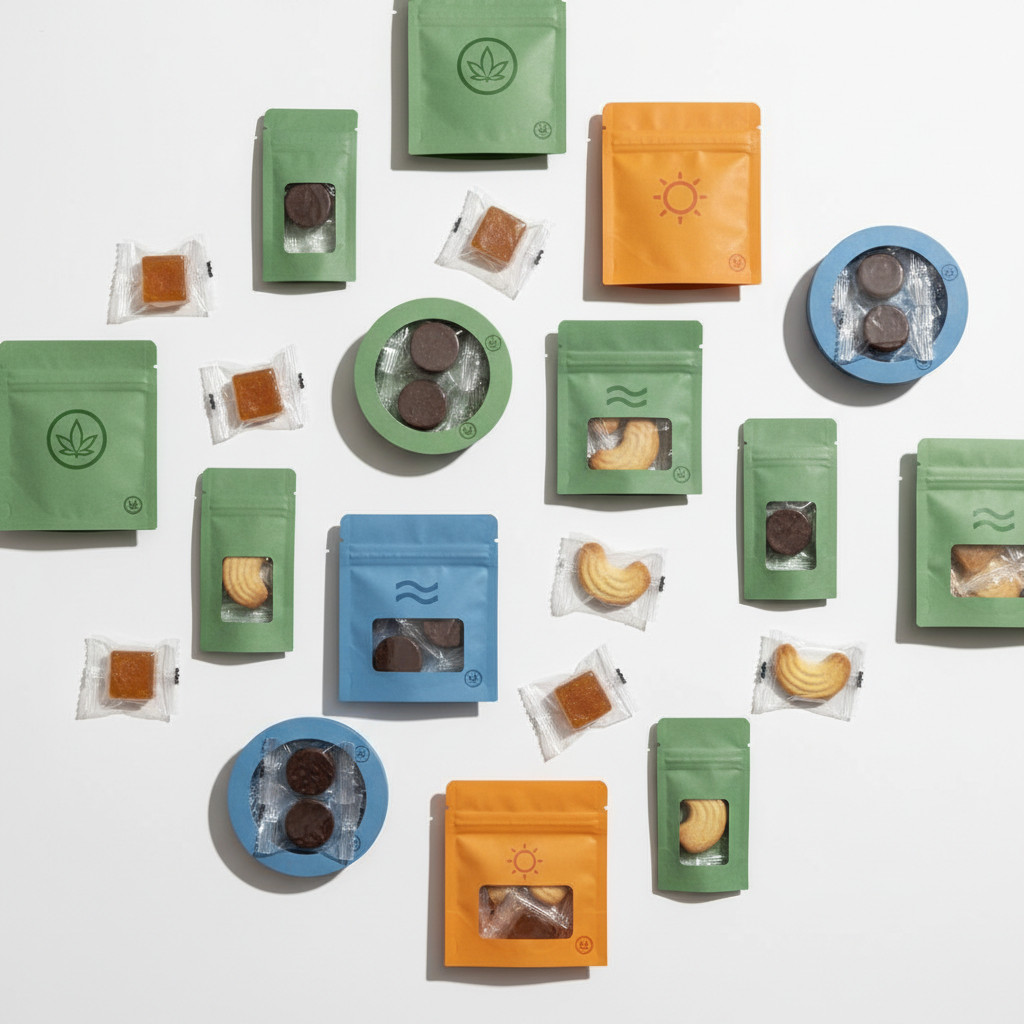
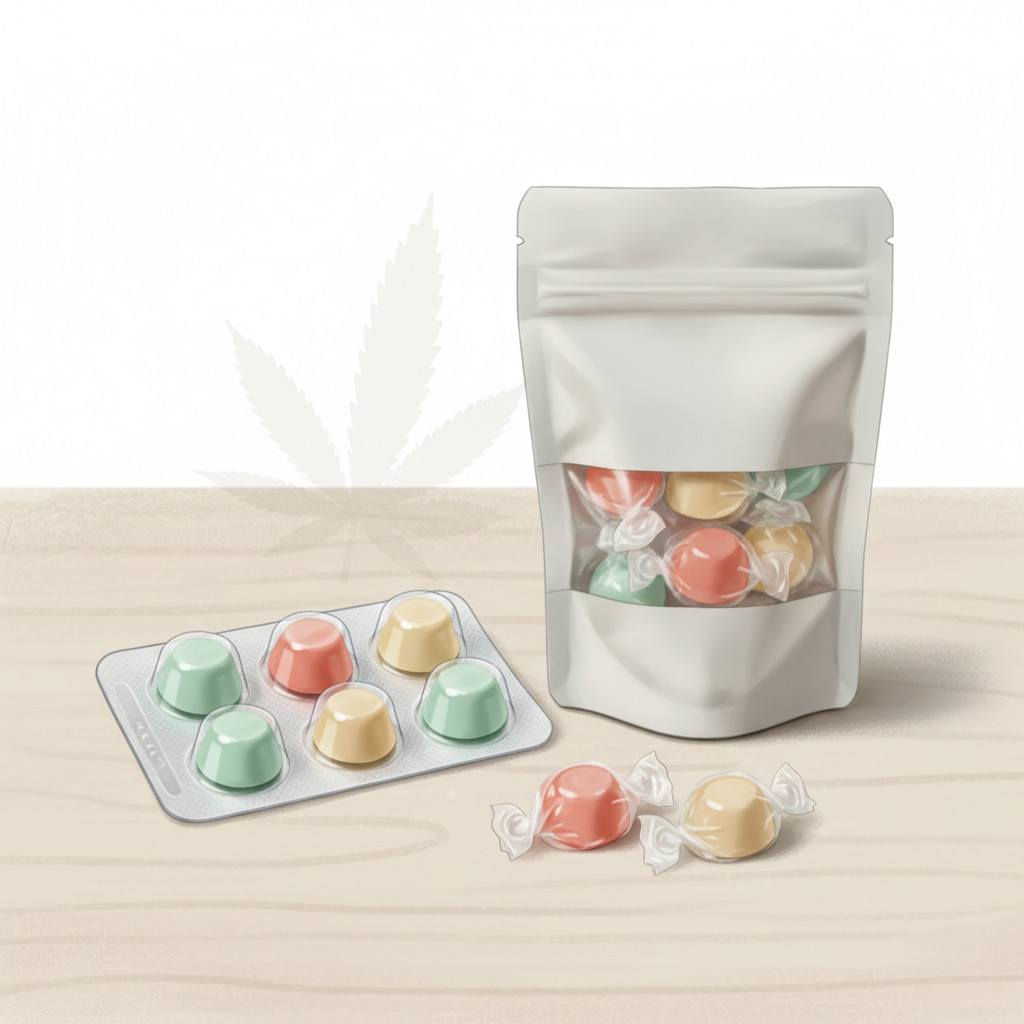
Consumer impacts and cannabis edibles safety
The Oregon 10 mg THC cap for cannabis edibles shifts how users control dosage. For new and occasional users, smaller per-piece doses make effects easier to predict. As a result, the cap aims to reduce accidental overconsumption and emergency visits.
Key safety and dosing effects
- Clearer THC dosage regulation makes single servings simpler to understand. Therefore, consumers can choose one piece without guessing total potency.
- Pediatric exposures may decline because child-attractive large-dose products become less common. The Oregon Poison Center reports rising child calls, which shaped this policy push: Oregon Poison Center Data
- Washington State’s experience suggests measurable public-health gains. After adopting a similar rule in 2017, researchers reported fewer severe pediatric incidents; see analysis here: Washington Poison Center Analysis
- Standardized servings support harm-reduction strategies for cannabis edibles safety and responsible use.
Potential benefits for consumers
- Improved dose control for casual and medical users
- Easier product comparison across brands
- Lower risk of unintentional ingestion by children or novice users
Potential drawbacks to consider
- Some users prefer higher-dose products for microdosing flexibility. However, manufacturers can sell multi-piece packs that comply with per-piece limits.
- Smaller servings may increase cost per milligram of THC for consumers.
Public-health context and evidence
The American Public Health Association highlights concerns about youth and accidental exposures. Moreover, officials cite poison-center data when weighing regulatory costs and benefits. For general public-health guidance, see APHA.
Overall, the cap prioritizes predictable dosing and safety. Yet policymakers must pair regulation with education and safe storage campaigns.
Cannabis Edible Regulations and THC Limits by State
Below is a quick comparison of cannabis edible regulations and THC limits by state. The table shows maximum THC per serving and per package. Therefore, readers can see how Oregon’s proposed 10 mg cap compares to other markets. As a result, brands and consumers can better plan dosing and product choices.
| State | Maximum THC per Serving | Maximum THC per Package | Additional Notes |
|---|---|---|---|
| Oregon (proposed) | 10 mg | No strict package cap if each piece is 10 mg or less | Applies to individually packaged edibles under Senate Bill 1548 |
| Washington | 10 mg | 100 mg | Adopted similar limits in 2017; linked to fewer pediatric incidents |
| California | 10 mg | 100 mg | Widely used standard across many licensed retailers |
| Colorado | 10 mg | 100 mg | Longstanding adult-use regulation since legalization |
| Illinois | 10 mg | 100 mg | Retail rules align with 10 mg serving standard |
| Alaska | 10 mg | 100 mg | Adult-use market follows the 10 mg per serving norm |
Conclusion
The Oregon 10 mg THC cap for cannabis edibles marks a clear step toward safer dosing and predictable consumer experiences. By limiting THC per piece to 10 milligrams, regulators aim to reduce accidental overconsumption and pediatric exposures. For consumers, therefore, the rule improves dose control and labeling clarity. For producers, it requires recipe and packaging changes, yet it can also raise trust in regulated products.
Evidence from Washington shows public-health benefits after similar limits were adopted in 2017. Hospitals and poison centers reported fewer child-related incidents, so proponents point to measurable gains. However, industry voices caution about cost and product choice impacts. Lawmakers must weigh safety gains against commercial effects and emphasize education and safe storage.
MyCBDAdvisor offers research-driven coverage and clear guidance on cannabinoids and policy. We prioritize educational clarity, transparency, and effective marketing practices to enhance credibility. Visit our site for deeper analysis and practical consumer advice: MyCBDAdvisor.
Overall, the cap focuses on predictable dosing and harm reduction. As a result, consumers, caregivers, and brands should prepare and adapt responsibly.
Frequently Asked Questions (FAQs)
What does the Oregon 10 mg THC cap mean?
It limits THC to 10 milligrams in each individually packaged edible piece. Senate Bill 1548 would apply the cap per serving. As a result, labels and serving sizes must be clearer.
How does this affect dosing and cannabis edibles safety?
Smaller per-piece doses make effects more predictable, especially for new users. Therefore, it aims to reduce accidental overconsumption and emergency visits. It supports safer THC dosage regulation.
Can a package still contain more than 10 milligrams total?
Yes. Packages may hold multiple compliant pieces so long as no single piece exceeds 10 milligrams. However, total package potency may still vary.
Will the cap lower pediatric poisonings?
Evidence suggests yes. Washington’s similar rule correlated with fewer hospitalizations and fewer poison center calls, so public-health advocates support the cap.
How should consumers buy and store edibles?
Check labels, serving counts, and child-resistant packaging. Also, store products locked away and out of reach. Finally, educate household members about safe use.