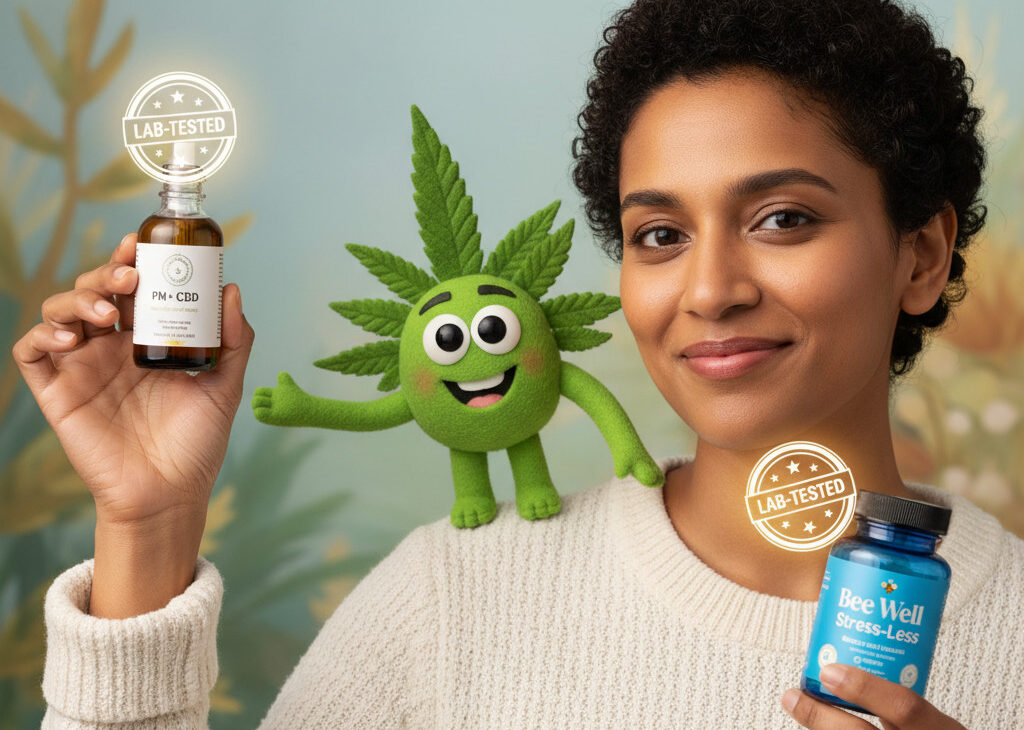
Could CBD and PTSD research unlock meaningful symptom relief?
Many people hope so, because early studies and personal stories point to reduced anxiety and better sleep.
Understanding CBD matters if you live with PTSD or support someone who does. CBD interacts with the endocannabinoid system to influence mood, stress response, and sleep. Therefore, learning how CBD works helps set realistic expectations about benefits and limits.
However, CBD does not replace therapy or medical care. Instead, it may offer natural support for symptoms like anxiety, hypervigilance, and sleep disruption. As a result, careful product choice and medical guidance are essential.
This article explains evidence, safety, dosing, and product tips. You will find clear, trustworthy guidance shaped by MyCBDAdvisor’s focus on wellbeing. Read on to learn how to evaluate CBD for PTSD and everyday wellness.
We also cover product selection tips and highlight options like Bee Well’s Stress Less CBD and PM+ CBD. Finally, you will learn safe starting doses and when to consult a clinician.
CBD and PTSD: Endocannabinoid system basics
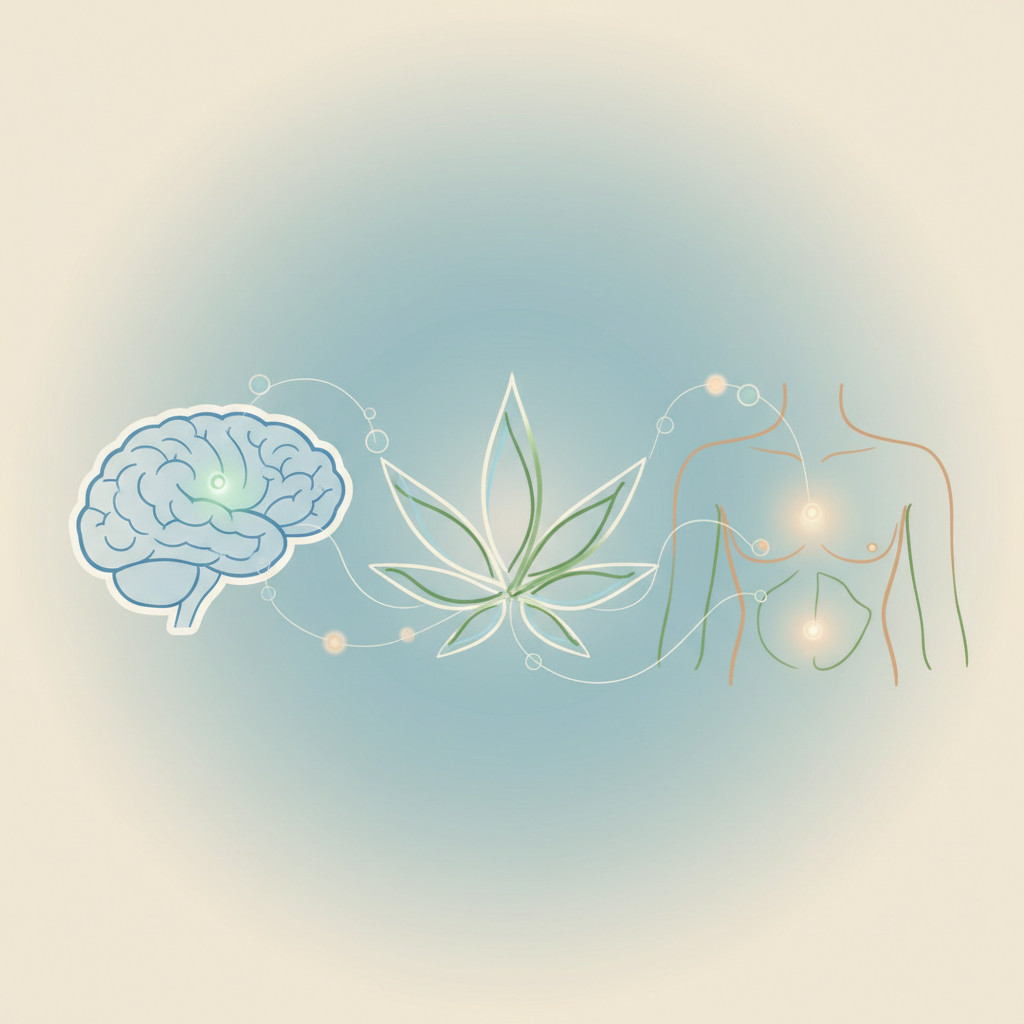
The endocannabinoid system helps regulate mood, sleep, and stress responses. CBD interacts indirectly with this system. Therefore, it may influence the brain circuits that drive anxiety and hypervigilance.
Researchers suggest CBD modulates receptors and boosts natural endocannabinoids. For example, CBD can affect serotonin signaling and reduce fear memory consolidation. As a result, it may ease symptoms like intrusive memories and arousal. Emerging reviews support this potential but stress more trials are needed (source).
CBD and PTSD: Mechanisms that may reduce symptoms
Key ways CBD may help include:
- Reducing anxiety by modulating serotonin 1A receptors and related pathways
- Easing sleep problems through endocannabinoid regulation and circadian links; see sleep research at source
- Dampening fear memory reconsolidation, which may lower intrusive memories
- Supporting mood balance without intoxication or addiction
Early clinical reports and case series show symptom improvements in small samples (source). However, larger randomized trials are underway (source). Because research access and regulation shape study pace, policy context matters; learn more at source.
Consult a clinician before trying CBD. Meanwhile, choose lab tested products and start low, go slow.
Comparative table: CBD product types for PTSD relief
| Product type | Effectiveness for PTSD symptoms | Onset | Duration | Best use cases |
|---|---|---|---|---|
| Oils (tinctures) | Moderate to high for anxiety, sleep and mood regulation; supports endocannabinoid balance and relaxation | 15 to 45 minutes (sublingual) | 4 to 6 hours | Acute anxiety relief, sleep onset, flexible dosing; ideal for titration. See Bee Well options and cannabinoid context: Bee Well options |
| Capsules | Moderate for steady mood support and daily symptom management; predictable dosing and broad-spectrum options | 30 to 90 minutes | 6 to 8 hours | Routine daytime dosing, consistent symptom control, travel friendly |
| Edibles | Moderate; long lasting support for sleep disturbances and sustained mood regulation but variable absorption | 45 to 120 minutes | 6 to 10 hours | Nighttime symptom support and prolonged relief; start with small servings |
| Topicals | Low for central PTSD symptoms; effective for localized muscle tension, somatic stress and pain that can worsen PTSD | 10 to 30 minutes (local) | 2 to 6 hours | Targeted tension relief, adjunct to systemic CBD; combine with oral forms for broader benefits |
Tips and quick picks
- Start low and go slow when trying any format
- Choose lab tested full-spectrum or broad-spectrum products for quality and entourage effect
- Combine formats when needed to address both acute anxiety and chronic sleep issues
Related keywords: PTSD, CBD (cannabidiol), endocannabinoid system, anxiety, sleep disturbances, relaxation, lab tested products, Stress-Less CBD, PM+ CBD
Safety, Dosage, and Legal Considerations for CBD and PTSD
Safety matters when considering CBD and PTSD. Always consult a clinician first. Because individual health and medications vary, professional guidance is essential.
Key safety guidelines
- Start low and go slow. Begin with a small dose and increase gradually. This reduces side effect risk and helps find a personal effective dose.
- Watch for common side effects. Expect drowsiness, dizziness, nausea, or changes in appetite. If these worsen, stop use and seek medical advice.
- Monitor liver health when using higher CBD doses. Therefore, check liver enzymes before starting and during early treatment. See clinical guidance at clinical guidance.
Dosage basics
- There is no universal CBD dose for PTSD. Instead, studies use varied ranges and routes (see this study). Start at low doses, then titrate slowly. Keep a symptom and dose log.
- Use consistent products and standardized labels. This improves predictability and safety.
Legal and practical tips
- CBD laws differ by state and country. Check local regulations before purchasing or traveling with products.
- Prefer lab tested full spectrum or broad spectrum products. Also, avoid products that make medical claims.
- Remember that CBD supports care but does not replace therapy. Therefore, continue established treatments and report CBD use to your care team.
CBD and PTSD may offer meaningful symptom support for anxiety, sleep, and mood. Early research and lived reports suggest benefits, but evidence is still growing. Therefore, CBD should be used alongside professional care, not instead of therapy or medications. Consult your healthcare provider before starting, especially if you take other medicines. Start low, go slow, and track effects to find what works for you. Also consider product quality, lab testing, and clear labeling.
With careful use and clinician support, CBD can be one natural tool for managing PTSD symptoms. Stay curious, stay safe, and prioritize professional care. Reach out to peers, therapists, and reputable sources when exploring options daily.
Frequently Asked Questions (FAQs)
Can CBD help with PTSD symptoms?
Early studies and user reports suggest CBD may ease anxiety and improve sleep for some people. However, it is not a cure. Consult your healthcare provider before trying CBD.
Will CBD make me feel high or addicted?
CBD is non intoxicating and generally non addictive. Therefore, choose products labeled low or free of THC if you want to avoid psychoactive effects.
How should I dose CBD for PTSD?
Start low and go slow. Use a consistent product, record doses and symptoms, and titrate gradually. Also review medications with your clinician to avoid interactions.
What side effects should I expect?
Common effects include drowsiness, dizziness, and appetite changes. In rare cases, higher doses can affect liver enzymes. Stop use and seek care if severe.
Is CBD legal and safe to buy?
Laws vary by state and country, so check local rules. Also buy lab tested, clearly labeled full spectrum or broad spectrum products for quality and transparency.