Unpacking the Demonization of THC
The Demonization of THC has shaped public views for decades, framing the compound as dangerous and one dimensional. However, that narrative often ignores science, growing methods and the plant’s full chemistry. Because public perception matters, this article will separate myths from facts.
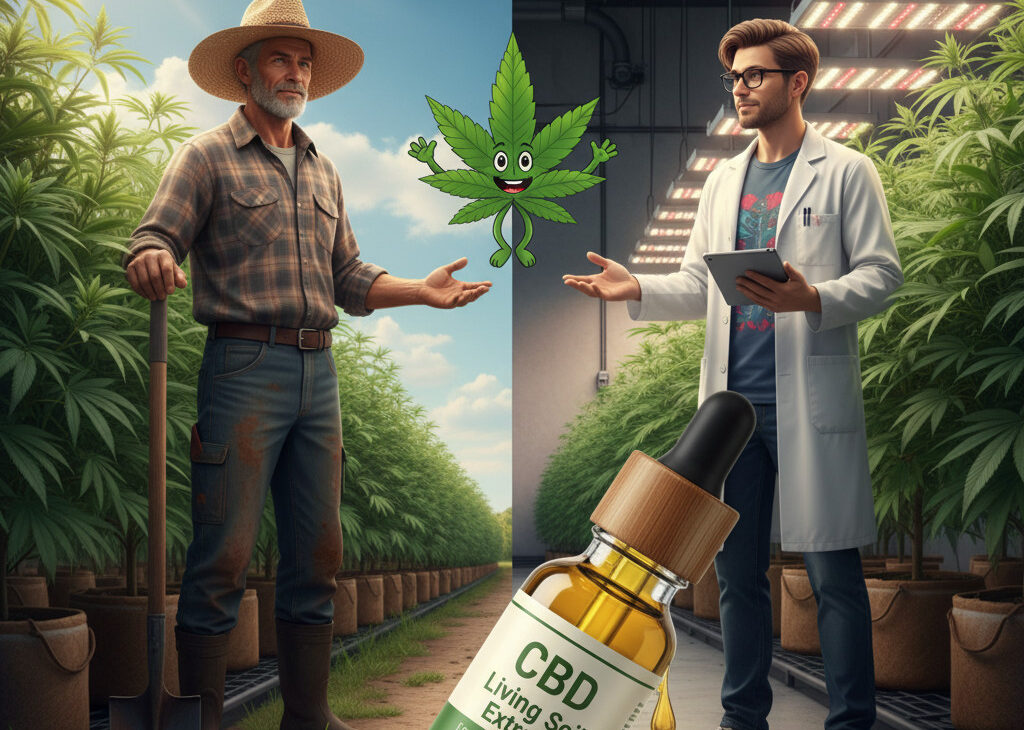
We focus on how outdoor and indoor cultivation alter terpene profiles and cannabinoid expression. Moreover, we will explain why sun grown flowers can change effects, not simply THC levels. As a result, readers can understand whether THC deserves its bad reputation. Along the way, we touch on terpenes, cannabinoids, living soil, regenerative farming and consumer wellness.
We also examine hemp rules, 0.3 percent thresholds and how law shapes farming choices. Therefore, this piece aims to give consumers clear context on potency and wellness. By the end, you will know what matters more than high THC numbers. This guide favors evidence over fear and supports sun grown whole plant medicine.
The Historical Context and Insight into the Demonization of THC
For much of the twentieth century, policymakers and media framed THC as a dangerous substance. As a result, public fear grew quickly. However, that simple portrayal often ignored science, cultivation methods and the plant’s chemistry.
The legal stigma began early with restrictive policies like the Marihuana Tax Act. Later, the Controlled Substances Act of 1970 cemented THC as a Schedule I drug during the Nixon era. For a concise timeline, see the historical overview at Time.
Because law shaped research, scientists faced hurdles for decades. Then, the 2018 Farm Bill changed the landscape by legalizing hemp under a 0.3 percent THC threshold. Therefore, growers and brands had to adapt to rules set in that bill. The bill text is available here: Farm Bill Text.
Moreover, science now shows that other factors matter more than single compound levels. For example, terpenes act as plant signals and affect bioactivity and aroma. See the 2021 review on volatile terpenes at PubMed.
In short, the Demonization of THC came from law, politics and selective messaging. Today, evidence suggests we should judge cannabis by its full chemistry. Consequently, outdoor cultivation, living soil and terpene diversity deserve more attention than THC numbers alone.
Evidence and Studies Debunking the Demonization of THC
The Demonization of THC rests on simplified ideas about risk and potency. However, recent science paints a more nuanced picture. Because cultivation, terpenes and full cannabinoid profiles change effects, THC alone rarely tells the whole story. Below are clear findings from reliable studies and reviews.
Key studies and what they show
- 2023 cultivation comparison study
- Outdoor plants had more unusual cannabinoids and richer terpene mixes.
- Indoor samples showed more oxidized and degraded cannabinoids.
- This suggests outdoor cultivation can change bioactivity and aroma. See the study: 2023 cultivation study.
- 2021 terpene review
- Volatile terpenes act as plant to plant signaling cues. Therefore they shape plant defenses and aroma.
- Terpene diversity may influence effects beyond THC alone. Read the review: 2021 terpene review.
- 2017 National Academies report
- Cannabis has therapeutic effects for pain and nausea, yet harms exist for heavy use. Consequently, risk depends on dose and context, not single compounds. Full report: 2017 National Academies report.
Policy and research context
- Legal classification and limited research shaped stigma. For example, THC remains Schedule I under the Controlled Substances Act, which limited study for decades. See DEA drug scheduling: DEA drug scheduling.
Why this matters for consumers
- Therefore, consumers should judge products by full chemistry and cultivation method.
- Outdoor, sun grown cannabis often offers greater terpene complexity and a fuller effect.
- As a result, simple fear of THC ignores the role of terpenes, cannabinoids and living soil.
Related keywords: THC, cannabinoids, terpenes, outdoor cannabis, sun-grown cannabis, terpene profile, hemp, THC potency, bioactivity.
Demonization of THC: Myths versus Facts
Below is a quick reference that contrasts common myths with evidence. However, the Demonization of THC often omits context and chemistry.
| Myth | Fact | Source/Study |
|---|---|---|
| THC is the sole cause of all cannabis harms. | Harms depend on dose, age and use pattern. Cannabis also has therapeutic effects for pain and nausea. | NCBI Study |
| Higher THC always equals better benefits. | Ultra-high THC can be one-dimensional. Terpenes and cannabinoids shape the overall effect. | PubMed Study |
| THC below 0.3 percent is harmless. | The 0.3 percent threshold defines hemp legally. Effects depend on full chemistry, not just THC percent. | Congress Document |
| Indoor high-THC flower is superior to sun-grown flower. | Indoor often has higher THC but fewer terpenes and more degraded cannabinoids. Outdoor grows show richer terpene profiles. | PubMed Study, PubMed Study |
| THC inevitably leads to severe addiction. | Cannabis dependence occurs in a minority, and risk links to heavy use. Context and dose matter. | NCBI Study |
CONCLUSION
The Demonization of THC grew from politics, law and selective messaging, not from a simple reading of the science. However, modern studies show cultivation, terpenes and full cannabinoid profiles shape effects more than THC alone. Therefore, consumers benefit when they look beyond THC numbers.
Key takeaways
- Judge whole-plant chemistry, not single compound metrics.
- Choose outdoor, sun-grown cannabis for terpene diversity and fuller bioactivity.
- Remember hemp’s 0.3% THC rule defines legality, not wellness.
- Consider dose, frequency and context when assessing risk.
Ultimately, we should replace fear with facts. As a result, better regulation, open research and sun-grown whole plant medicine can restore nuance and trust. We close with hope and transparency for consumers and growers alike.
Frequently Asked Questions (FAQs)
What is the Demonization of THC and is THC inherently dangerous?
The Demonization of THC refers to the lasting stigma around THC. However, THC itself is not inherently dangerous for most adults. Risk depends on dose, age, frequency and product chemistry. For balanced evidence on harms and benefits, read the National Academies report.
Does higher THC mean a better or more effective product?
No. Higher THC often produces one dimensional effects. Moreover, terpenes and other cannabinoids shape the overall experience. For example, outdoor-grown flowers tend to show more terpene diversity and unusual cannabinoids, which changes effects: link.
Is hemp with less than 0.3 percent THC harmless and non psychoactive?
Legally, hemp has under 0.3 percent THC. Yet effects depend on the plant’s full chemistry and on dose. Therefore, legal status does not guarantee a lack of effect. See the 2018 Farm Bill text.
Can THC lead to addiction or severe dependence?
Cannabis use disorder affects a minority of users. Risk rises with heavy use and early onset. Consequently, context and dosing matter more than single compound fear. For details, consult the National Academies review.
Do outdoor and sun-grown plants change how THC feels?
Yes. Outdoor cultivation often boosts terpene complexity. Therefore, the plant’s aroma and bioactivity can shift, even with modest THC. For evidence on terpenes and signaling, see this review and the 2023 cultivation comparison.