Woodstock Cannabis legacy: From 1969 roots to modern whole-plant culture
The Woodstock Cannabis legacy reaches beyond a festival year into a living culture of whole-plant reverence. Because the 1969 festival questioned authority, it became shorthand for music, protest, and herbal community. Today, that ethos shapes full-spectrum approaches, live resin vapes, whole cured resin, and artisanal pre-rolls.
Woodstock brands emphasize authenticity, education, and sensory experience rather than only THC numbers. As a result, dispensaries and cultural spaces now focus on storytelling and consumer knowledge. However, confusion still exists between distillate shortcuts and true full-spectrum products.
This history guides new products such as hemp beverages and functional blends in New York and New Jersey. Furthermore, Woodstock’s narrative helps consumers know what they buy and why it matters. The movement blends music, community, and plant science to make cannabis culture accessible and meaningful.
Therefore, exploring the Woodstock Cannabis legacy reveals both a past memory and a present blueprint. Join this story to understand whole-plant philosophies and modern cannabinoid discoveries.
Origins of the Woodstock Cannabis legacy
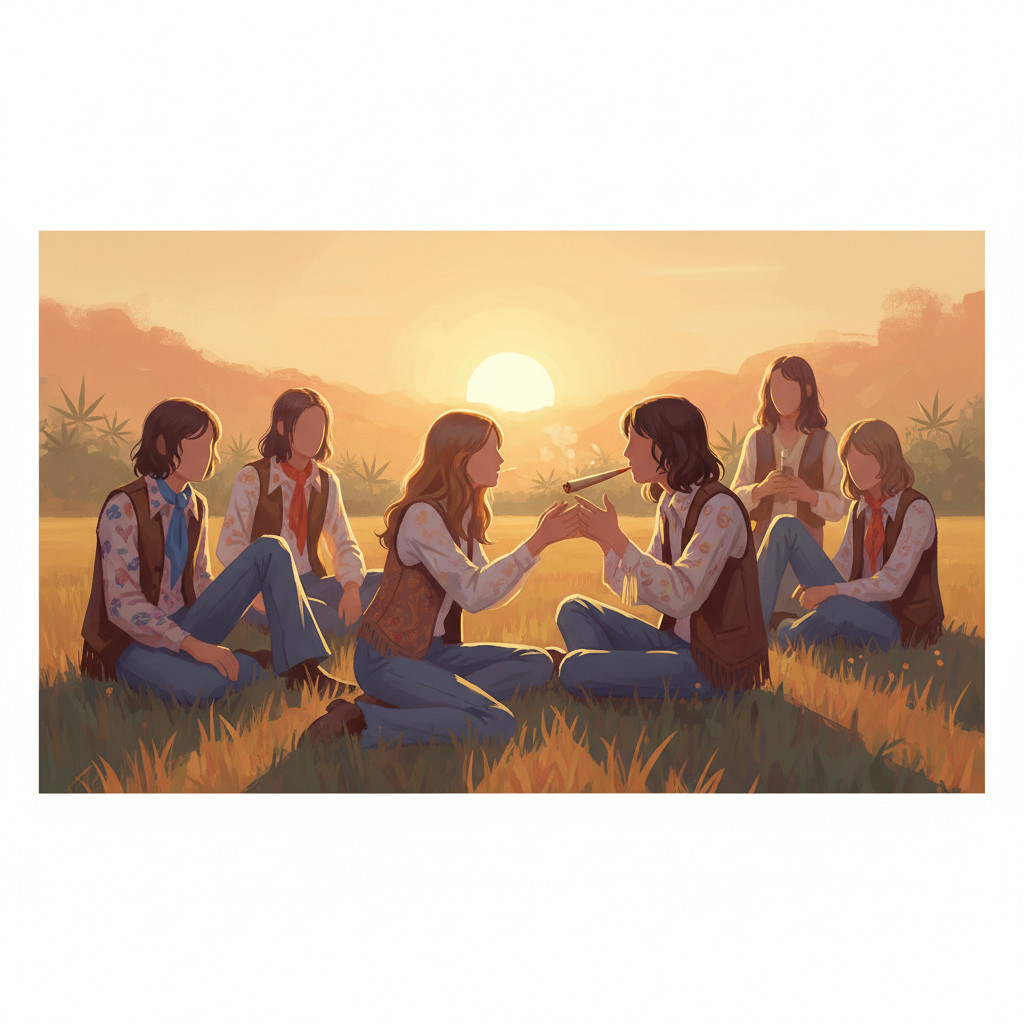
The seeds of the Woodstock Cannabis legacy were planted in a charged decade. In 1969 a crowd gathered for music and social change. The festival atmosphere mixed mud, music, and communal ritual. Because people shared songs and smoke, cannabis became a visible sign of freedom. For an overview of the festival and atmosphere see History.com and PBS News Hour.
As the crowd swelled, cannabis use at Woodstock grew symbolic. It represented a break from strict social norms and a demand for personal liberty. Therefore the 1960s cannabis culture linked music, protest, and herbal camaraderie. High Times and other counterculture press helped amplify this image for decades. Read a cultural take here High Times.
Meanwhile grassroots cannabis movements used Woodstock as inspiration. Activists reframed possession as political speech. As a result, local organizing and early legalization efforts drew on the festival’s mythology. This counterculture cannabis energy seeded community-based growing and whole-plant philosophy that many brands now celebrate.
Today the origin story still matters because it shapes identity and product choices. Consumers seek authenticity and storytelling, not only THC numbers. Consequently modern Woodstock-themed products reference the festival’s spirit. For additional reflections on why Woodstock still resonates, see Rolling Stone.
Woodstock Cannabis legacy and its impact on modern legalization and culture
The Woodstock Cannabis legacy helped reframe cannabis from taboo to cultural touchstone. Because the festival linked music and communal use, it normalized public conversation about the plant. Over time that public conversation shifted policy debates and popular opinion. As a result, advocates could argue for reform with cultural momentum behind them.
Key moments connect the 1969 spirit to modern cannabis legalization. First, counterculture press amplified the message. High Times kept questioning norms and shaped public perception for decades. See this article for one cultural take. Next, grassroots activism translated that energy into policy pressure. Groups pushed state-level reforms and harm-reduction approaches. For a timeline of advocacy and law changes, consult NORML and note how state campaigns built on cultural narratives.
New York’s legalization illustrates this chain of influence. Lawmakers and voters cited social equity and public health when reforming policy. Therefore the culture behind the plant helped make reform feel inevitable. For details on New York’s program and regulations, visit New York Cannabis.
Culturally the legacy of Woodstock cannabis lives on in product choices and education. Artists and brands still state that “seeking is the backbone to revolution,” and they emphasize whole-plant quality. Consequently consumers now expect authenticity, traceability, and meaningful storytelling. In short, Woodstock’s spirit moved cannabis from counterculture to mainstream reform, shaping both law and culture in tandem.
Woodstock-era vs. Modern Cannabis Culture at a Glance
| Aspect | Woodstock era (circa 1969) | Modern cannabis scene |
|---|---|---|
| Social attitudes | Openly counterculture; cannabis signaled freedom and rebellion | Increasing mainstream acceptance; framed as wellness, recreation, and lifestyle |
| Legal status | Mostly illegal; possession and sale criminalized | Largely legal at state level; regulated markets, licensing, social equity programs |
| Methods of consumption | Primarily joints and pipes; communal sharing at concerts | Whole flower, live resin vapes, edibles, beverages, artisanal pre rolls |
| Cultural symbolism | Symbol of protest, music, and community | Symbol of craft, wellness, full spectrum plant use, and commercialization |
| Access and education | Informal peer learning and word of mouth | Dispensaries with product education, lab testing, and traceability, though confusion persists |
| Product craft and quality | Small batch, homegrown, experience focused | Advanced extraction, full spectrum products, transparency, and manufacturing standards |
| Commercialization | Underground economies and DIY distribution | Branded products, marketing, legal retail, and corporate consolidation |
| Legacy connections | Inspired grassroots movements and identity | Brands cite the Woodstock ethos; used in storytelling and branding, emphasizing authenticity |
Key takeaways
- Continuities: communal culture, emphasis on plant identity, and grassroots influence persist in modern craft cannabis and whole-plant movements
- Major changes: legal status shifted from criminalization to regulated markets; consumption methods diversified with live resin and beverages; commercialization and quality standards professionalized
- SEO keywords: Woodstock legacy, whole-plant, full-spectrum, legalization, craft cannabis, live resin, social equity, traceability
Conclusion
The Woodstock Cannabis legacy continues to shape cannabis culture, law, and product craft. Because the 1969 festival fused music, protest, and communal use, it created a powerful cultural narrative. That narrative moved conversations from taboo to policy and mainstream acceptance across decades.
MyCBDAdvisor supports that path by delivering full-spectrum, research-driven information and clear guidance. Visit MyCBDAdvisor to access trustworthy resources about cannabinoids, whole-plant philosophy, and product choices. In short, the Woodstock Cannabis legacy endures as both inspiration and blueprint for today’s industry. Therefore we should honor its community roots while pursuing rigorous science and equitable reform. The future looks thoughtful and hopeful.
Frequently Asked Questions (FAQs)
What is the Woodstock Cannabis legacy?
The Woodstock Cannabis legacy traces back to the 1969 festival and the broader 1960s cannabis culture. Because the event combined music, community, and shared plant use, it became a symbol of freedom. As a result, counterculture cannabis embraced protest, art, and communal rituals. Today that story informs whole plant philosophy and cultural storytelling.
How did Woodstock help shape cannabis legalization and public opinion?
Woodstock helped normalize public conversation about cannabis. High Times and grassroots cannabis movements amplified that message for decades. Therefore activists used cultural momentum to push legal reform and harm reduction. Consequently policy debates shifted from punishment to public health and social equity.
How does the Woodstock Cannabis legacy show up in products and culture today?
Brands reference the legacy through whole plant products and education. For example many makers favor live resin, whole cured resin, and artisanal pre rolls rather than distillate shortcuts. At the same time hemp beverages and full spectrum offerings reflect modern innovation. Consumers now expect authenticity, traceability, and storytelling.
How can someone connect with the legacy in a responsible way?
Attend cultural events and support community driven brands that honor the legacy. Seek product education at dispensaries and cultural spaces, because knowledge reduces confusion. Also learn about product types and lab testing before purchase. Finally engage with local advocacy to support equitable reform.
Is the Woodstock Cannabis legacy relevant to safe and informed cannabis use today?
Yes, the legacy matters because it champions education and community. When consumers know the difference between distillate and full spectrum products, they can make safer choices. Moreover the legacy encourages asking who benefits from policy and who gains from commercialization. As a result, the Woodstock Cannabis legacy still guides ethical product craft and reform advocacy.