
New York seed-to-sale compliance deadline: What You Need to Know
The New York seed-to-sale compliance deadline matters for every licensed operator. Because the rule requires real-time tracking, it changes how growers, processors, and retailers manage plants, packages, labeling, and tagging.
This article explains what the deadline means. It outlines key dates, practical steps, and common pitfalls. Additionally, we cover how the Metrc seed-to-sale system works. We also discuss Office of Cannabis Management guidance, retail item unique identifiers, and costs like new printers and tags.
Small businesses need clear, actionable guidance. Therefore, this guide focuses on compliance steps you can adopt right away. We highlight tagging workflows, record keeping, and label changes. We also summarize legal challenges and industry responses to the March 7, 2026 deadline.
Read on for checklists, timelines, and resources. As a result, you will leave with a practical plan for meeting New York seed-to-sale rules. Our tone stays direct and helpful, and we aim to answer the questions most operators face.
What the New York seed-to-sale compliance deadline requires
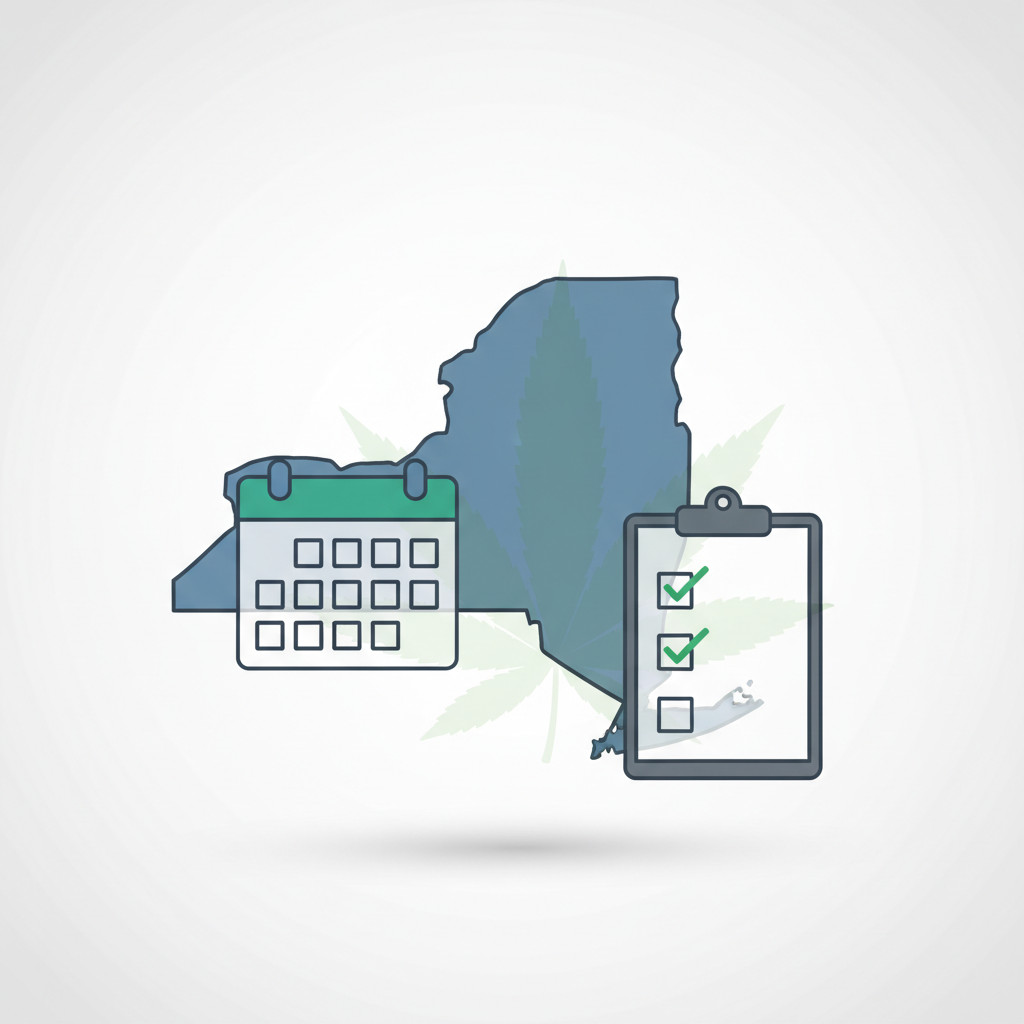
The deadline forces licensed operators to use a state-mandated seed-to-sale system. Because regulators require real-time tracking, operators must tag and log plants and packages. Therefore, compliance changes daily workflows for cultivators, processors, transporters, and retailers.
Key regulatory requirements include
- Tag every plant and package with a digital identifier and retail item unique identifier tags where required.
- Record plant lifecycle events from propagation to harvest and disposal in the tracking system.
- Log transfers, package creation, lab tests, and final sales with timestamps and user IDs.
- Maintain complete inventory reconciliation and audit trails for inspectors.
- Use compliant labeling and scan-ready barcodes for retail and wholesale movement.
Who must comply
- Cultivators and growers.
- Licensed processors and manufacturers.
- Distributors and transporters.
- Retailers and dispensaries.
- Testing laboratories when they receive samples.
Most license classes must tag plants and packages before movement. Additionally, some processors must use retail item unique identifiers provided by the state to label finished products. For system specifics and training materials, operators can consult Metrc and the Office of Cannabis Management.
How seed-to-sale tracking works in practice
- Create a plant or batch record in the system.
- Attach a unique tag to the plant or package.
- Scan tags during transfers, processing, and sales to update status.
- Link lab test results to the batch record.
- Reconcile inventory regularly and resolve discrepancies quickly.
Because small businesses face costs and workflow changes, many seek guidance on staffing and equipment. For discussion of broader policy impacts and jobs, see this related piece at Cannabis Policy. As a result, operators should train staff, budget for tagging supplies, and run test entries before the March 7, 2026 deadline.
| Deadline Date | Requirement Description | Affected Entities | Consequences of Non-Compliance |
|---|---|---|---|
| March 7, 2026 | Begin using state-mandated seed-to-sale system; tag and record plants and packages in real time | Cultivators, processors, distributors, retailers, testing labs | Fines, license suspension or revocation, product returns, inspection enforcement |
| Before any movement | Tag plants and packages with digital identifiers before transfer; scan at each transfer point | Same entities | Product rejected at transfer, inventory discrepancies flagged, administrative penalties |
| At product manufacture | Apply retail item unique identifier tags to finished products; upload item records | Processors, manufacturers, packagers | Inability to sell product, forced relabeling, lost sales |
| Ongoing, continuous | Maintain real-time records for lifecycle events, lab results, and reconciliations | All licensees | Audit failures, corrective action orders, fines |
| As required by regulators | Provide access to records and support audits within specified timeframes | All licensees | Civil penalties, operational restrictions, legal action |
Benefits and Challenges of the New York seed-to-sale compliance deadline
Meeting the New York seed-to-sale compliance deadline brings concrete benefits for operators and consumers. Because the system creates a continuous digital record, regulators gain faster visibility into supply chains. As a result, businesses see improved traceability and stronger consumer protections.
Benefits
- Transparency and traceability: Every plant and package links to a digital record. Therefore, audits, recalls, and investigations happen faster and with less guesswork.
- Consumer safety and quality control: Lab results attach to specific batches, so contaminated products get pulled quickly. This reduces risk and builds customer trust.
- Market legitimacy and access: Compliance signals professionalism to banks, suppliers, and investors. Consequently, legitimate businesses find it easier to scale.
- Deterrence of diversion: Real time logging lowers the chance of theft or illicit sales. Regulators can detect anomalies sooner.
Challenges
- Upfront cost and equipment: Small operators face expense for tags, printers, scanners, and related hardware. For example, some operators report large label printer purchases to meet requirements.
- Technology and integration needs: Staff must learn Metrc and link workflows to existing systems. Metrc offers resources at Metrc and the Office of Cannabis Management publishes guidance at Office of Cannabis Management.
- Training and staffing: Daily real time entries increase labor demands. Operators must train teams and update standard operating procedures.
- Operational disruption and compliance risk: Reworking labeling and packaging can slow production. Therefore, businesses should run dry runs, budget for contingencies, and adopt reconciliation routines well before March 7, 2026.
CONCLUSION
The New York seed-to-sale compliance deadline is a pivotal moment for cannabis businesses. Because it requires real-time tracking, operators must update workflows to meet regulatory standards. This change protects consumers and strengthens market integrity.
This article offered practical steps, common pitfalls, and timelines. Therefore, operators should prioritize tagging, staff training, and inventory reconciliation. For many small businesses, upfront costs and system integration pose real challenges. However, planning and phased implementation reduce disruption.
Ultimately, the deadline is an opportunity to raise standards. With preparation and trusted resources, businesses can meet compliance and build consumer trust. We remain committed to practical, research-backed advice to help you succeed.
Frequently Asked Questions (FAQs)
Who needs to comply with the New York seed-to-sale compliance deadline?
All licensed cannabis operators in New York must comply. This includes cultivators, processors, distributors, transporters, retailers, and testing laboratories. Because the rule covers plant and package tracking, any licensee that handles inventory must tag and log items. Therefore, even small growers and microbusinesses fall under the requirement. If you move product or submit samples for testing, prepare to use the state-mandated tracking system by March 7, 2026.
What penalties apply for missing the deadline?
Regulators can impose fines and administrative actions. For example, inspectors may issue corrective orders or suspend licenses. Additionally, non-compliant shipments can be rejected and returned. As a result, businesses can lose sales and face increased scrutiny. In severe cases, repeated violations may lead to license revocation. Therefore, prioritize early compliance to avoid operational and financial harm.
How should businesses prepare practically and technically?
Start with a clear plan and test runs. Steps include
- Register for the tracking system and complete training.
- Inventory current plants and packaged goods and create records.
- Buy required hardware like scanners and label printers.
- Update standard operating procedures and assign roles.
- Run dry runs to catch data entry or workflow gaps.
Because training reduces errors, schedule staff sessions early. Also, document reconciliation routines and backup processes.
How much will compliance cost and are there state supports?
Costs vary by operation size and scope. Common expenses include tags, printers, scanners, and software integration. Some operators report substantial one-time purchases for labeling equipment. However, the state offered free retail item unique identifier tags to offset costs. Therefore, check available programs and budget for ongoing tag and labor expenses.
What about ongoing audits and legal challenges?
Expect regular audits and requests for records. Agencies will review lifecycle logs, transfers, and lab links. If you face a regulatory enforcement action, respond promptly with documented records. Meanwhile, legal challenges exist that may affect timing or specifics. As a result, stay informed via official updates and consult counsel for complex disputes.