Hemp-derived THC drinks: What You Need to Know
Across the United States, hemp-derived THC drinks are sparking curiosity among consumers and retailers. As a result, they blur lines between alcohol and cannabis products. This trend has grown quickly because brands and venues chase new revenue streams. However, federal rules remain unclear, and states are moving in different directions. In this article we map the legal debates and regulatory uncertainty, examine product safety and testing gaps, compare market dynamics between hemp-THC beverages and alcohol, profile brand and venue strategies, explain key facts from the 2018 Farm Bill and recent congressional moves, and offer clear, practical tips consumers can use when choosing hemp-based THC drinks or hemp-THC beverages so readers decide if these drinks fit their lifestyle and safety standards, including how to read labels, what a 5 mg THC per drink dose feels like, venue policies, and signs of impairment to watch for and legal risks in your state.
What Are Hemp-Derived THC Drinks?
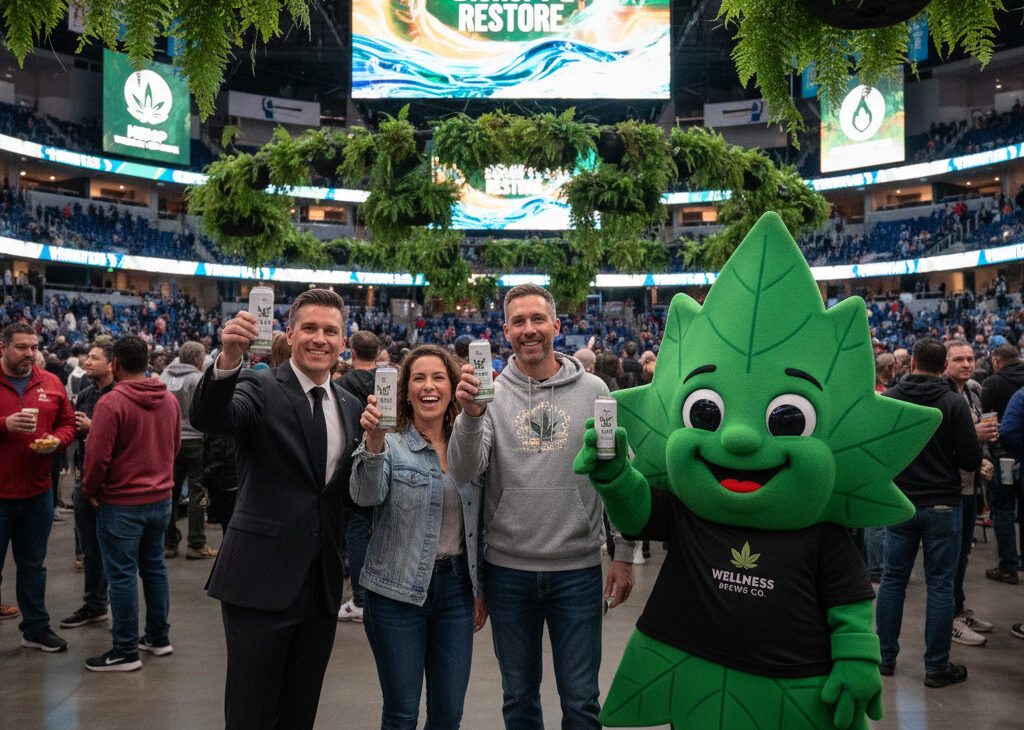
Hemp-derived THC drinks are beverages infused with THC that comes from hemp plants. These drinks use extracts or converted cannabinoids derived from Cannabis sativa L. Because they start with hemp, manufacturers often market them outside dispensaries. For example, some brands sell 5 mg THC cans at major venues.
Sources and how they differ
- Extracted cannabinoids from hemp biomass or hemp flower
- Chemically converted cannabinoids made from hemp CBD
Compared with traditional cannabis, these drinks often sell in mainstream channels because they claim legal hemp origin.
However, they can act like traditional THC products because they produce similar effects. Also, they come in familiar formats like soda, seltzer, or tea. Therefore, consumers may treat them like alcohol alternatives.
Legal framework and gaps
The 2018 Farm Bill legalized hemp with up to 0.3 percent delta-9 THC by dry weight, but federal rules remain unclear. The FDA retains regulatory authority over cannabis ingredients; see the FDA guidance at FDA Regulation on Cannabis Products. Local policies and venue carve-outs also shape access, as noted in coverage of Chicago’s beverage carve-out Chicago Hemp Beverage Carve-Out. For brand strategy and market context, see how enduring beverage brands win mainstream reach Enduring Cannabis Beverage Brands and how financing affects beverage turnarounds Cannabis Financing and Brand Strategy.
Because regulation is evolving, consumers should read labels and check local law before buying.
Benefits and Effects of Hemp-Derived THC Drinks
Hemp-derived THC drinks can offer effects similar to other oral THC products. However, onset and strength differ from smoking or vaping. Oral products usually take longer to kick in because the liver metabolizes THC first. As a result, peak effects often occur between one and six hours after ingestion. For scientific context, see pharmacokinetic reviews at PubMed Review 1 and PubMed Review 2.
Key benefits and user insights
- Controlled dosing: Many cans list milligrams, such as a 5 mg THC per drink dose. Therefore, users can pace intake.
- Discreet consumption: Drinks look like regular beverages, so users avoid smoke or vapor stigma.
- Familiar formats: Brands package hemp-THC beverages as seltzers, teas, or flavored waters.
- Social alternative: Some consumers choose these drinks over alcohol for a milder effect.
Effects and safety notes
- Onset is slow and variable, so do not re-dose quickly. Otherwise, you may experience stronger effects later.
- Common effects include relaxation, altered perception, and slowed reaction time.
- Because federal testing rules are limited, product consistency can vary. Therefore, buy from transparent brands and read labels.
Related keywords: hemp-based THC drinks, hemp-THC beverages, Rhythm beverages, 5 mg THC per drink.
| Type | Typical THC content | Flavor profile | Legal status | Typical effects |
|---|---|---|---|---|
| Seltzer or soda | 2.5–10 mg per can (commonly 5 mg) | Citrus, berry, tropical | Often sold outside dispensaries under hemp claims; legality varies by state | Mild euphoria, relaxation; slow onset |
| Ready-to-drink tea | 2–15 mg | Herbal, citrus, floral | Same legal uncertainty; available in mainstream channels in some places | Calming, gentle onset; variable peak |
| Cocktail-style RTD | 5–20 mg | Sweet, botanical, cocktail flavors | Targeted by regulators; venue rules differ | Stronger psychoactive effects at higher doses |
| Delta-8 or converted THC | Variable; inconsistent labeling | Neutral or sweet | Legality contested; banned in some states | Effects similar to delta-9; potency varies |
| Low-dose wellness tonic | 1–5 mg | Mild, botanical | Marketed as wellness; regulatory oversight limited | Subtle relaxation; microdose social effect |
Conclusion
Hemp-derived THC drinks have grown fast as a consumer category and retail experiment. They pair familiar beverage formats with psychoactive cannabinoids, yet differ from traditional cannabis in source, dosing, and retail channels. Because federal rules and testing standards lag, legal and safety uncertainty persists. Therefore consumers should read labels, verify milligrams, and start with low doses.
Also check local law and venue policies before you buy. Do not re-dose quickly because oral onset is slow and effects can peak hours later. As a result, buyer caution and brand transparency matter more than ever.
Frequently Asked Questions (FAQs)
Are hemp-derived THC drinks safe to consume?
Most products are generally safe for adults. However, federal safety and quality rules remain limited. Therefore choose brands with third-party lab results. Also avoid use if you are pregnant, nursing, or taking medicines that interact with THC.
Are these drinks legal?
The 2018 Farm Bill legalized hemp with up to 0.3 percent delta-9 THC by dry weight. However, state laws vary and some places ban hemp-THC beverages. As a result, always check local rules before buying.
What effects should I expect and how fast do they start?
Oral onset is slower than smoking. Typically effects begin within 30 minutes to two hours. Peak effects can occur between one and six hours. A 5 mg THC per drink dose often feels mild.
How should I use them safely?
Start low and wait at least two hours before re-dosing. Do not drive or operate machinery after use. Read labels, confirm milligrams, and store away from children.
How do hemp-derived drinks differ from cannabis-based THC drinks?
They often claim hemp as the source and sell outside dispensaries. Cannabis-based drinks are sold in regulated dispensaries with stricter testing. Consequently product consistency and legal protections differ.