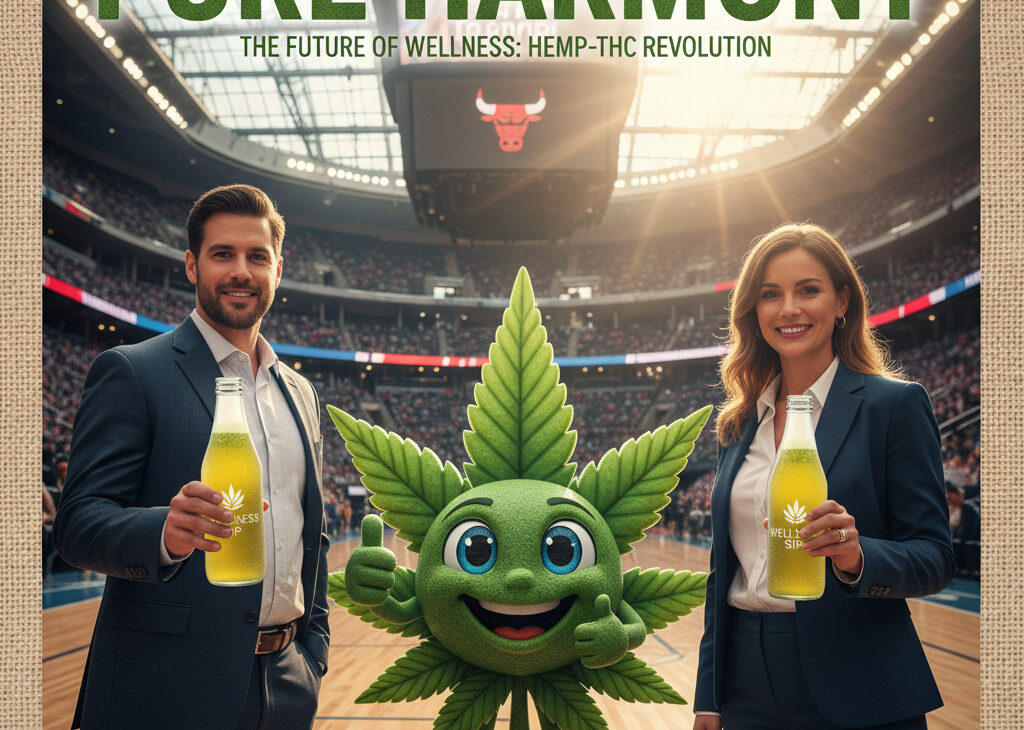
Hemp-THC drinks: The new frontier in social sipping
Hemp-THC drinks are appearing on shelves and in stadiums, and they are changing how Americans socialize. In recent years, sales of these hemp-derived beverages have climbed because consumers want alternatives to alcohol and discreet ways to enjoy THC. However, that rising popularity comes with legal uncertainty and public health questions that demand attention.
This article will track the industry from product innovation to the policy fights that shape market access. First, we examine how companies position hemp-THC drinks as alcohol substitutes and the marketing strategies that win new buyers. Next, we assess safety concerns and testing gaps that regulators highlight. Finally, we map out the changing legal landscape and what the looming federal ban means for brands and retailers. Along the way, we include industry figures, case examples, and practical takeaways for consumers and businesses.
Read on to understand why hemp-THC drinks matter now, who benefits, and what risks decision makers must weigh.
What are Hemp-THC drinks?
Hemp-THC drinks are nonalcoholic beverages infused with THC that manufacturers derive from industrial hemp. They contain cannabinoids extracted from Cannabis sativa L. but claim to comply with the Farm Bill by staying within hemp limits. As a result, brands market them outside dispensaries and into mainstream retail.
Composition and formulation
- Base ingredients usually include water, natural flavors, sweeteners, and botanical extracts. Additionally, they contain hemp-derived cannabinoids such as delta-9 THC, delta-8 THC, or THC isomers.
- Makers often use nanoemulsion or emulsification to disperse cannabinoids in the liquid. Therefore, onset can be faster than edibles but slower than inhalation.
- Typical single-serve cans carry low doses. For example, some stadium products list about five milligrams of THC per serving.
How Hemp-THC drinks differ from other cannabinoid beverages
- Compared with CBD drinks, they aim to produce psychoactive effects because they include THC.
- Compared with regulated cannabis beverages, Hemp-THC drinks often sell outside dispensaries. Consequently, they can reach bars, stadiums, and convenience stores.
- Unlike alcoholic drinks, they usually do not contain ethanol. Instead, they present themselves as alcohol alternatives for social occasions.
Why consumers are trying them
- Discreet consumption appeals to many consumers because cans look familiar and require no smoking.
- Some choose them as a lower-calorie or nonalcoholic social option. Also, novelty and curiosity drive trial among younger adults.
- Finally, brands position these drinks next to beer or soda to win mainstream shoppers; see branding strategies and case studies.
Related keywords and semantic terms: hemp-derived THC beverages, delta-9 by hemp, 0.3 percent THC dry weight, nanoemulsion, cannabis drinks vs hemp drinks, alcohol alternative.
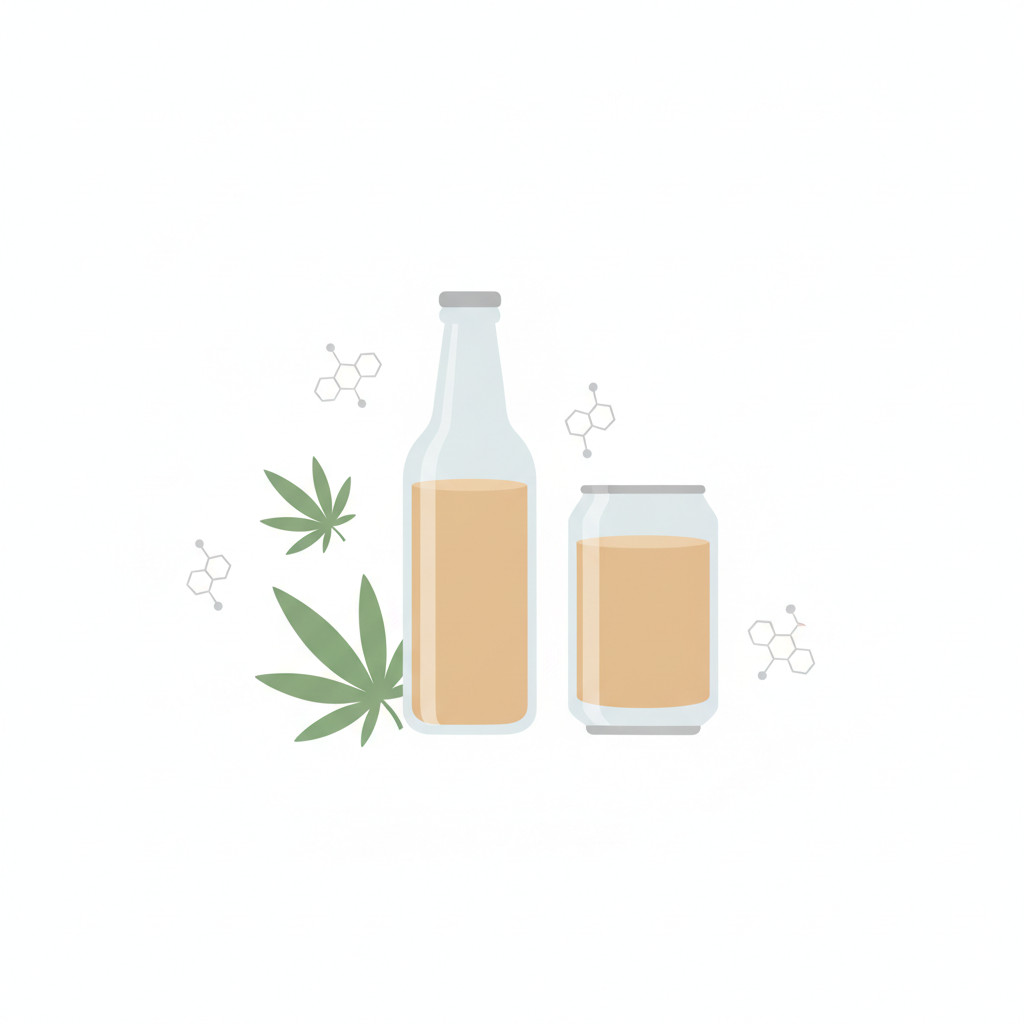
Benefits and effects of Hemp-THC drinks
Hemp-THC drinks offer a distinct set of benefits and predictable effects that explain their fast adoption. Because manufacturers craft these beverages for oral consumption, consumers get a familiar ritual and a discreet way to enjoy THC. However, effects vary by formulation, dose, and individual metabolism.
Key potential benefits
- Social alternative to alcohol. Many users choose these drinks as a nonalcohol option for parties and events. Brands place cans next to beer to encourage trial, and that placement drives mainstream adoption. For branding strategies see mycbdadvisor.com.
- Discreet consumption. Cans and bottles look ordinary, so they allow users to consume THC without smoking.
- Controlled dosing. Single serve packages often list low milligram doses, which helps consumers manage intake. For example, some stadium cans contain about five milligrams of THC per serving.
- Faster onset than some edibles. When makers use nanoemulsion or emulsification, the drink can deliver cannabinoids faster. Research shows nanoemulsions can increase absorption and speed onset versus oil formulas. See studies at pubmed.ncbi.nlm.nih.gov/34676332 and pubmed.ncbi.nlm.nih.gov/32585537.
Common and scientific effects
- Psychoactive effect. Drinks that include THC produce a mind altering effect, which users seek for relaxation, social ease, or mood lift.
- Onset and duration. Oral THC onset can range from 30 minutes to two hours, and effects can last several hours. First pass metabolism often creates the active 11 hydroxy THC metabolite. For pharmacokinetics see pubmed.ncbi.nlm.nih.gov/17712819.
- Variable bioavailability. Because oral absorption varies, two people can feel different effects from the same can.
Consumer trends and use cases
- Market growth has been strong, which supports product innovation and wider retail placement. For market estimates and industry analysis see hifa.health.
- Use cases include relaxing after work, sober alternatives for socializing, and event friendly consumption at non dispensary venues.
Caveats and safety points
- Effects vary and overconsumption remains a risk. Always start with a low dose and wait to assess effects.
- Because regulation and testing standards differ, consumers should favor brands that publish lab results and clear dosing information.
- Finally, policymakers note safety and unregulated product concerns, which could change market access in the near term.
Comparison of popular Hemp-THC drinks brands
Below is a quick comparison to help you scan market options. Each brand varies by formulation, dose, and retail channel. Therefore check labels and lab results before you buy.
| Brand | Typical price range | THC content per serving | Flavor options | Notable ingredients or unique selling points |
|---|---|---|---|---|
| RYTHM beverages | $3 to $6 per can | Often 5 mg delta-9 or hemp-derived THC | Citrus, berry, tea, seasonal flavors | Uses water-soluble formulations; positioned as alcohol alternative and stadium-friendly |
| Cann Beverages | $4 to $7 per can | 2.5 mg to 10 mg, varies by SKU | Citrus, grapefruit, tropical | Focus on fusion botanicals and clear labeling; some products include CBD blends |
| Sky High | $3 to $6 per can | Typically 5 mg hemp-derived THC | Lemon, lime, raspberry | Emulsified cannabinoids for faster onset; marketed for discreet social use |
| Cornbread Hemp | $2.50 to $5 per can | Usually low-dose hemp THC or THC isomers | Herbal, honey, fruit blends | Small-batch positioning; emphasizes hemp sourcing and natural flavors |
| Private label / craft brands | $2 to $8 per can | 1 mg to 10 mg | Wide range | May include adaptogens, botanicals, or CBD; transparency varies by maker |
Notes
- Prices are retail estimates and vary by location and pack size.
- THC content reflects common single-serve dosing in the mainstream market; always confirm on the label.
- Availability changes quickly due to shifting regulation and supply.
Related keywords: hemp-derived THC beverages, nanoemulsion, alcohol alternative, 0.3 percent THC dry weight.
Conclusion
Hemp-THC drinks have moved from niche curiosity to mainstream conversation. Consumers embrace them as discreet, nonalcohol alternatives that offer controlled dosing and a familiar drinking ritual. At the same time, lawmakers and regulators are driving rapid change, which means brands and buyers must stay informed.
Key takeaways
- Popularity is rising because cans and bottles fit everyday social settings. Therefore adoption grows outside dispensaries and into stadiums, bars, and convenience stores.
- Benefits include convenience, dose control, and faster onset when makers use advanced formulations. However effects vary by person, and inconsistent testing remains a concern.
- Market momentum meets regulatory risk. Because federal and state rules are shifting, availability can change quickly and consumers should favor transparent brands with lab reports.
For reliable, up-to-date coverage and practical guidance, turn to MyCBDAdvisor. MyCBDAdvisor tracks product safety, branding trends, and policy developments so readers can make informed choices.
Frequently Asked Questions (FAQs)
What safety steps should I take before trying Hemp-THC drinks?
Start low and go slow. Begin with a single low-dose serving and wait at least 90 minutes before re dosing. Because oral absorption varies, effects can take longer than inhaled products. Also choose brands that publish third party lab reports and clear ingredient lists. For pharmacokinetic context see here.
What effects can I expect from Hemp-THC drinks?
Expect a psychoactive effect when drinks contain THC. Effects often include relaxation, altered perception, and mood change. Onset typically occurs between 30 minutes and two hours, and effects can last several hours. Therefore plan activities accordingly and avoid driving while impaired.
Are Hemp-THC drinks legal where I live?
Legal status varies by state and country. Although brands claim compliance with the 2018 Farm Bill, some states have banned or restricted hemp THC products. Because laws change rapidly, check local rules before purchase and use.
How do consumption methods change the experience?
Drinks deliver cannabinoids differently than smoking or gummies. When manufacturers use nanoemulsion, onset can be faster and absorption may increase. However bioavailability remains variable across people. For research on emulsified formulas see here.
How do Hemp-THC drinks differ from CBD drinks or regulated cannabis beverages?
The main difference is THC content and retail channel. CBD drinks aim for non psychoactive effects, while Hemp-THC drinks include THC and produce mind altering effects. Also Hemp-THC drinks often sell outside licensed dispensaries, unlike many regulated cannabis beverages. Therefore product transparency and lab testing matter more for consumer safety.
If you need product specific guidance, consult a healthcare professional and favor transparent brands with verified lab results.