hemp-derived THC drinks
Hemp-derived THC drinks have surged from niche curiosity to mainstream choices. Across arenas, convenience stores, and online shops, people ask what they are. Because they come from hemp allowed by the 2018 Farm Bill, producers call them legal. Many contain low doses such as five milligrams of THC per serving. However, consumers and regulators worry about labeling, consistency, and safety.
This article explains hemp THC beverages, their claimed benefits, and known risks. We describe product types, dosing guidance, and how hemp based THC beverages differ from dispensary cannabis. You will read about market growth, lobbying fights, and the looming federal ban. Therefore, we include practical tips for safe use and policy context. Read on to get clear, balanced, and evidence based guidance on hemp derived THC drinks.
Industry players cite convenience and low doses as reasons for growth. As a result, companies such as Green Thumb Industries and startups like RYTHM push new flavors. Meanwhile, public health experts and lawmakers debate standards for testing and labeling.
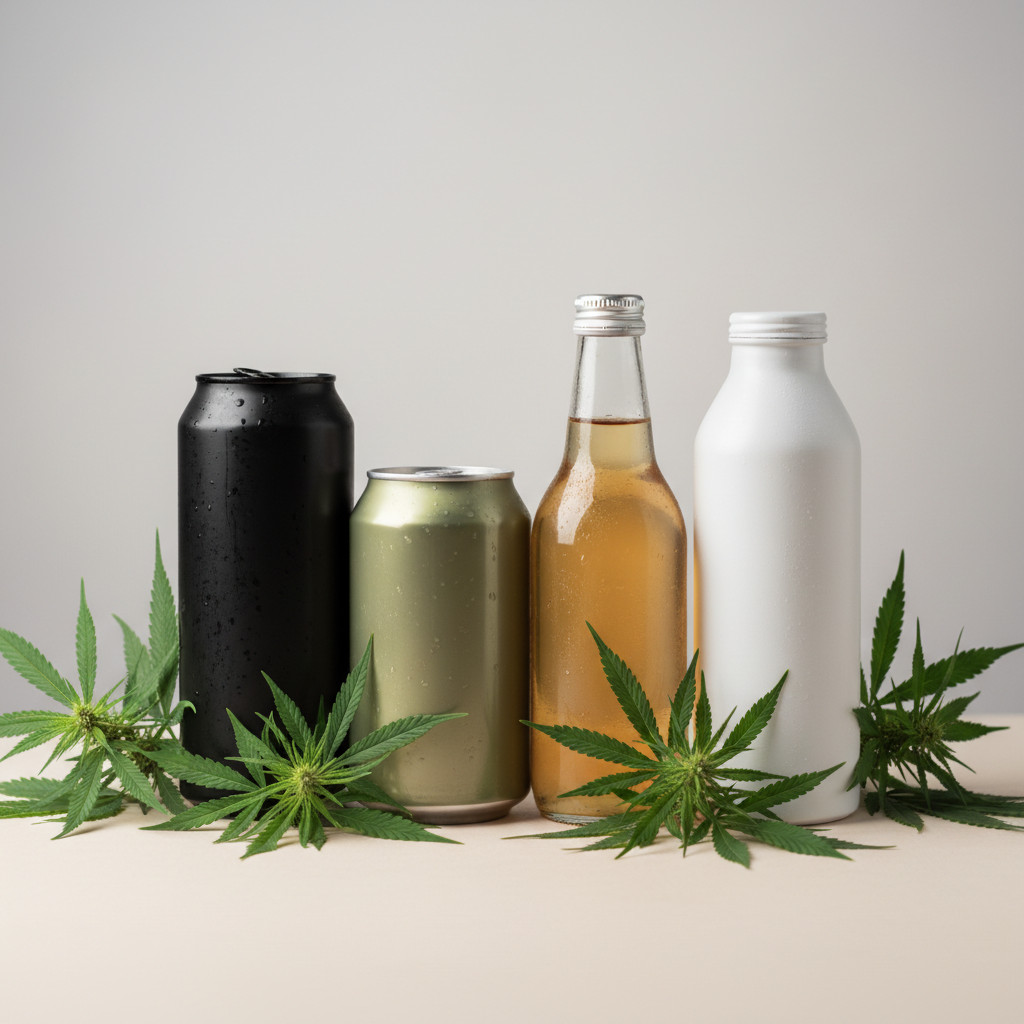
Benefits and Effects of hemp-derived THC drinks
Hemp-derived THC drinks offer an approachable way to try THC because they arrive in familiar beverage formats. Many formulations deliver low doses such as five milligrams of THC per serving, which appeals to casual users. However, consumers should weigh benefits and potential effects before trying these hemp-based THC beverages.
Key potential benefits
- Relaxation and mild euphoria. Many users report calmness and light mood lift after a standard serving. As a result, some prefer drinks over edible gummies.
- Predictable dosing. Because companies often label servings, users can manage intake more easily. Therefore, beginners can start low and go slow.
- Alternative to smoking. For people who avoid inhalation, drinks provide a non inhaled consumption option.
- Social convenience. Drinks feel familiar at social events, so consumers may choose them over smoking or gummies.
Scientific insights and safety context
Studies show that oral cannabinoids take longer to act and last longer than inhaled forms. For example, medical reviews describe oral bioavailability differences and variable onset times, which range from thirty minutes to two hours depending on stomach contents, because digestion alters absorption. See a scientific review here scientific review for more detail. Meanwhile, the National Institute on Drug Abuse summarizes common effects and risks at NIDA report. In addition, producers must follow the Farm Bill 2018 rules that define hemp and the 0.3 percent THC limit by dry weight, although product testing and regulation remain uneven.
User experience summaries
- Beginners often start with five milligrams and report mild effects. However, some report stronger effects from inconsistent products.
- Regular users may build tolerance, so doses can feel weaker over time.
- Side effects can include drowsiness, dry mouth, and altered judgment, so do not drive after consumption.
Potential wellness outcomes and cautions
Drinks may help with casual stress relief and relaxation, but they do not replace medical care. Because labels and testing vary across brands, consumers should choose reputable makers and check third party lab reports. For industry context on branding and mainstream reach, read about resilient cannabis beverage strategies at cannabis beverage branding. For insights into enduring beverage brands and market approach, see enduring cannabis beverage brands. Finally, for financing and strategic shifts in beverage brands, visit cannabis financing strategies.
Quick comparison: Low dose versus higher potency hemp-derived THC drinks
To improve mobile readability the table is split into two focused sections. Each is simplified for quick scanning and consistent column alignment. Note that potency ranges are approximate and state rules vary.
Low dose formats
| Type | Typical THC per serving | Flavor | Potency | Legal | Price |
|---|---|---|---|---|---|
| Sparkling seltzers and canned sodas | 2.5 to 10 mg | Citrus, berry, floral | Low | Widely sold; varies by state | $3 to $6 |
| Ready to drink teas and juices | 2.5 to 10 mg | Tea, fruit, herbal | Low | Retail and online in many areas | $4 to $8 |
| Functional tonics and wellness shots | 1 to 5 mg | Ginger, turmeric, botanical | Low | Marketed as wellness; state rules vary | $2 to $6 |
| CBD plus THC blended beverages | 2.5 to 10 mg THC plus CBD | Mixed, citrus, herbal | Low to moderate | Inconsistent rules; check labels | $4 to $10 |
Higher potency formats
| Type | Typical THC per serving | Flavor | Potency | Legal | Price |
|---|---|---|---|---|---|
| High potency shot style formulations | 10 to 30 mg | Strong fruit or energy | High | Restricted or banned in some states | $6 to $15 |
| Concentrate enhanced beverages and craft sodas | 20 mg and up | Intense fruit or botanical | High to very high | Often limited to regulated channels | $8 to $20 |
Note: Potency ranges are approximate. Always confirm milligrams per serving and total package THC via third party lab reports. State laws and testing standards change frequently so availability and legality differ by location.
Related keywords and synonyms: hemp THC drinks, hemp derived THC beverages, THC seltzers, cannabis beverages, THC-infused drinks, hemp beverage safety, dosing guidance
Safety, legality, and consumption tips for hemp-derived THC drinks
Safety first. Hemp-derived THC drinks can offer mild effects, yet they carry risks. Because oral THC absorbs slowly, onset varies from thirty minutes to two hours depending on stomach contents. Therefore, wait at least two hours before taking more to avoid overconsumption.
Know the legal landscape. The 2018 Farm Bill legalized hemp with up to 0.3 percent THC by dry weight, which created a legal opening for many products. However, federal rules for hemp-THC beverages remain uneven, and a looming federal ban could change availability on November 12. Meanwhile, states differ widely; for example, California and Oregon have moved toward restrictions, while Illinois allows hemp beverages outside dispensaries. For brand and market context, see relevant CBD Advisor coverage at CBD Advisor coverage.
Check labels and third party testing. Always look for a certificate of analysis from independent labs. Also, confirm exact milligrams per serving and total package THC to avoid surprises. Because some products vary in potency, pick reputable brands and compare lab reports before buying.
Practice responsible consumption. Start low with five milligrams or less, and increase slowly if needed. Do not drive or operate heavy machinery after use. Moreover, avoid mixing hemp-derived THC drinks with alcohol or sedatives because effects may compound.
Mind medical interactions and vulnerable groups. If you take prescription medicines, speak with your clinician before use. Pregnant and breastfeeding people should avoid THC entirely. As a result, keep products out of reach of children and pets.
Be aware of storage, labeling, and retail rules. Store drinks in a cool, secure place and check expiration dates. For deeper industry and legal strategy insights, read about enduring beverage brands at enduring beverage brands and financing shifts at cannabis financing.
Science and sources. For oral cannabinoid absorption details, consult this review at cannabinoid absorption review. For common effects and risks, see the National Institute on Drug Abuse guidance at NIDA guidance.
Follow local rules and choose safer products. Consequently, you will reduce harm while staying informed about hemp-derived THC beverages and hemp-derived THC drinks.
CONCLUSION
Hemp-derived THC drinks have moved from novelty to a major market force. Consumers and regulators praise the convenience, but they also raise safety concerns and demand clear standards. Industry growth shows strong consumer interest, however federal rules remain uneven and a November 12 ban could reshape sales. States continue to diverge, so availability and retail rules vary by location.
Choose tested, labeled products and follow local law. Start low with dosing, avoid driving after use, and speak to your clinician about interactions. Ultimately, staying informed and cautious will help consumers enjoy benefits while reducing harm. For ongoing updates, check policy trackers and lab reports regularly.
Frequently Asked Questions (FAQs)
What are hemp-derived THC drinks?
Hemp-derived THC drinks are beverages infused with THC that comes from hemp. They often contain low doses such as five milligrams per serving. Because they use hemp extracts, producers market them as legal under federal hemp rules.
Are hemp-derived THC drinks legal where I live?
Legal status varies by state and locality. The 2018 Farm Bill created a federal pathway, however states can impose bans or limits. Therefore, check your state rules before buying or using these beverages.
How should I dose hemp-derived THC drinks?
Start low and go slow. Many experts recommend five milligrams or less for beginners. Wait at least two hours before taking more because oral THC takes time to kick in.
Are these drinks safe and tested?
Safety varies by brand and testing practices. Always seek products with third party lab results. Also avoid mixing with alcohol or sedatives, and never drive after use.
Where can I buy hemp-derived THC drinks?
Availability depends on local rules and retail channels. In some places retailers sell them in arenas and convenience stores. Meanwhile, other states restrict sales to dispensaries or ban the products entirely.