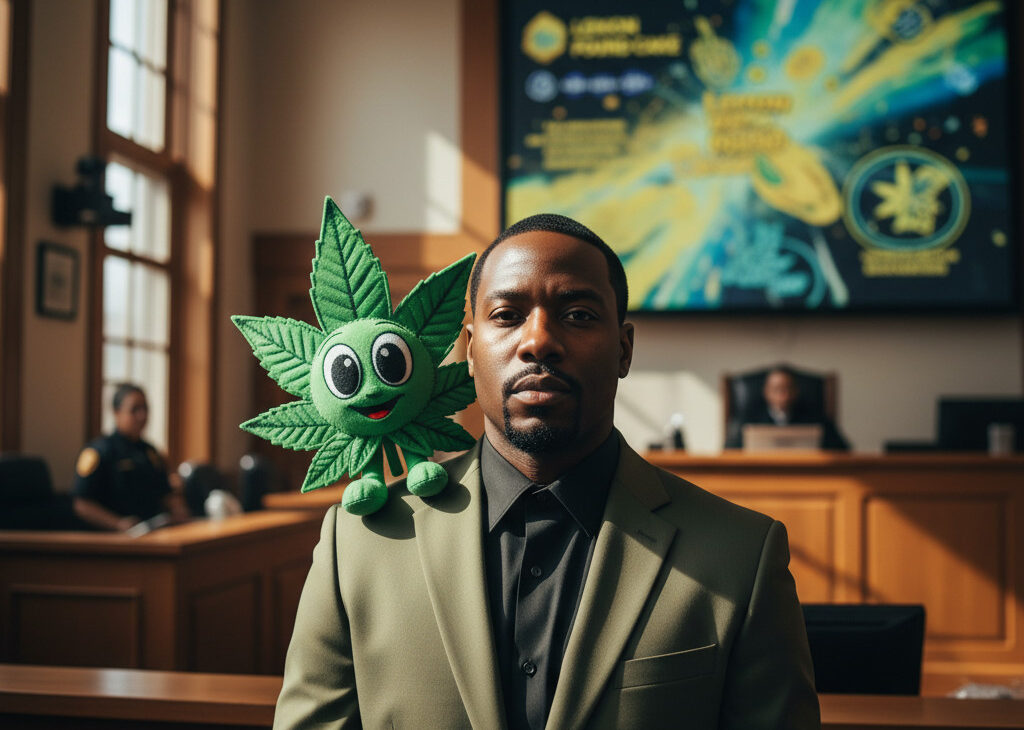
Afroman beats cops in court
A jury found the rapper not liable in a federal suit over footage from a 2022 raid. The verdict stunned fans and legal observers alike. It matters because the case tests the limits of satire, free expression, and power. As a result, creative responses to police overreach now face new legal context.
Seven Ohio sheriff’s deputies had sued over viral music videos that used surveillance footage from the raid. They sought millions in damages, but the jury rejected their claims. Meanwhile Afroman reframed the incident into performance and commentary, releasing tracks like Lemon Pound Cake. He now promotes live dates under Freedom of Speech branding and a collaboration called Getting It Back.
This article will unpack the verdict, legal reasoning, and cultural fallout. We will examine free expression, satire, and the case’s ripple effects on cannabis culture. Finally, we will assess what the decision means for future disputes over surveillance, parody, and police accountability.
Afroman beats cops in court: court victory and legal battle explained
The Afroman legal case centers on surveillance footage from a 2022 raid on the rapper’s home. Because he turned that footage into viral music videos, seven Ohio sheriff’s deputies sued him for millions. However, a jury found Afroman not liable, handing him a clear court victory that changes the conversation on satire and free expression.
The dispute began when deputies executed the 2022 search. No criminal charges followed. As a result, Afroman repurposed the footage into songs and videos, including Lemon Pound Cake. The videos mocked the raid and went viral, therefore drawing public attention and sparking the lawsuit.
Key events and facts
- 2022 raid at Afroman’s home led to public surveillance footage being recorded
- Afroman used the footage in music videos such as Lemon Pound Cake and other viral clips
- Seven Adams County Ohio sheriff’s deputies filed a civil suit seeking nearly four million dollars in damages
- Plaintiffs alleged defamation, invasion of privacy, and emotional distress
- The jury found Afroman not liable, resulting in a major court victory for the artist
Why the ruling matters
The verdict affirms broad protections for artistic commentary and satire. Therefore, artists who remix or critique public officials now have a stronger legal precedent. For more reporting and context read the High Times piece titled “Afroman Beat the Cops in Court After Turning Their Raid Into a Viral Hit” and the Los Angeles Times story at Los Angeles Times.
The outcome reframes the clash between police overreach and ridicule as a form of resistance. Meanwhile, Afroman pushes a post-verdict rollout that includes Freedom of Speech branded live dates and the Getting It Back collaboration with Jake Strain.

Afroman beats cops in court: public and media reaction
Public reaction split quickly after the verdict. Fans cheered on social media, and many framed the decision as a win for free speech. Meanwhile critics argued the case raised questions about privacy and accountability.
Media coverage highlighted different angles. The Associated Press explained the legal outcome and damages sought here. The Los Angeles Times focused on courtroom drama and expert analysis here. High Times framed the verdict as a cultural moment and called it part of “a new chapter” for Afroman here. Rolling Stone emphasized music and satire elements here.
Different viewpoints
- Fans and artists — Celebratory tone. They praised the defensive use of satire and music. As a result, many saw this as artistic vindication.
- Law enforcement and plaintiffs — Felt harmed by ridicule. They argued the videos caused emotional distress and reputational damage.
- Legal experts — Noted the ruling reinforced parody protections. Therefore, they warned about the thin line between satire and defamation.
- Media and culture outlets — Framed the story as a fight over power, speech, and cannabis culture.
The controversy will likely continue. However, the verdict already shifted public perception. In short, the case amplified debates about surveillance, satire, and the limits of artistic remix.
Afroman beats cops in court compared to landmark free speech cases
Below is a quick comparison that places the Afroman legal case in context. Because this story intersects satire, parody, and public‑figure law, similar rulings clarify legal limits. Therefore the table shows case name, year, key facts, outcome, and public impact.
| Case name | Year | Key facts | Outcome | Public impact |
|---|---|---|---|---|
| Afroman beats cops in court | 2026 | Seven Ohio sheriff’s deputies sued over viral music videos using surveillance footage from a 2022 raid. See reporting at High Times | Jury found Afroman not liable | Reinforced protections for artistic commentary and satire. It reignited debates about police overreach and remix culture |
| New York Times Co. v. Sullivan | 1964 | Public official sued for defamation over critical press. The Court addressed standards for false statements about officials. | Supreme Court required actual malice for public officials to win defamation claims. See this ruling | Greatly expanded free speech protections for public debate and journalism |
| Hustler Magazine v. Falwell | 1988 | Parody ad mocked a public figure and claimed emotional distress. The case tested limits of satire versus intentional infliction of emotional distress. | Court ruled public figures cannot recover IIED for parody without false factual statements made with actual malice. See this ruling | Strengthened legal cover for satire and parody in popular media |
| Snyder v. Phelps | 2011 | Protesters picketed a military funeral with offensive messages. The case weighed offensive speech against privacy and grief. | Court protected the protesters under the First Amendment. See this ruling | Affirmed that speech on public issues gets strong constitutional protection, even when deeply offensive |
Afroman beats cops in court showed how satire and remix culture can withstand legal scrutiny.
The jury verdict reaffirmed broad protections for artistic commentary, and it reframed debates about surveillance and police overreach.
As a result artists may feel freer to turn public incidents into performance or critique. However the ruling leaves open complex questions about privacy, ethics, and power.
MyCBDAdvisor covers cases like this because culture and cannabis policy intersect. Therefore we aim to provide clear, research driven reporting that values accuracy and transparency. We also note EMP0 as part of that effort.
Learn more at MyCBDAdvisor. The outcome matters for artists, journalists, and anyone remixing public events.
Frequently Asked Questions (FAQs)
What does the headline “Afroman beats cops in court” actually mean?
It means a jury found Afroman not liable in a civil suit brought by seven Ohio sheriff’s deputies. In short the jurors rejected claims such as defamation and invasion of privacy. As a result the artist faces no damages from this suit.
Why did deputies sue Afroman after the 2022 raid?
The deputies said viral videos used surveillance footage from their raid. Therefore they alleged emotional distress and reputational harm. They sought millions in damages, but the jury did not award them relief.
Does the verdict protect all artists who remix real events?
Not automatically. However the ruling strengthens protections for satire and artistic commentary. Legal outcomes still depend on facts like falsity and malice. Therefore creators should weigh legal risk before using private footage.
What broader impacts could this case have on free expression and policing?
The decision shifts public debate about surveillance and satire. Media and culture outlets noted its effect on power dynamics and cannabis culture. As a result public officials may face more public scrutiny and creative resistance through parody.
Where can I read verified reporting about the case?
Trusted outlets covered the trial and verdict. For detailed reporting see High Times for cultural context and the Los Angeles Times for courtroom analysis. Also consult The Associated Press for straight news coverage.
If you still have questions our main article covers legal facts cultural fallout and the post verdict rollout. It explains how tracks like Lemon Pound Cake and collaborations such as Getting It Back played into the story.