Women Over 60 and the Changing Landscape of Cannabis
Women over 60 finding their place in cannabis is a rising, visible trend across towns and dispensaries. Older women step into shops, workshops, and advocacy with patience and purpose. They seek relief, community, and clear information about dosage and safety. However, the market once aimed mostly at younger buyers.
Therefore these women are reshaping access, safety norms, and product design. For example, creators like those behind TarTubes imagine simple tools for safer use. Advocates teach dosage clarity and promote research into women’s health. As a result, local groups, brands, and chambers of commerce gain new leadership.
This piece explores that shift with stories, facts, and practical tips. Read on to discover how community, education, and enterprise are changing cannabis for older women. We will profile founders, dispensary workers, and educators who rewrite rules.
Moreover, we will look at barriers and the solutions women build. Because many face medical needs, safety and dosage matter more than trends. Join this exploration that centers empowerment, community, and practical wellness steps.
Health, Relief, and Community: Why This Shift Matters
Women over 60 finding their place in cannabis is not a fad. Because many face chronic pain and sleep disruption, they seek alternatives. As a result, cannabis benefits for seniors attract attention for pain relief, anxiety reduction, and better sleep. For example, a recent AARP summary highlights rising use and reports that older adults cite relief and sleep aid as top reasons (AARP report).
Key health reasons women turn to cannabis
- Pain relief: Cannabis can ease chronic pain from arthritis and neuropathy.
- Anxiety reduction: Lower doses often calm anxious thoughts without heavy sedation.
- Improved sleep: Many older users report better sleep onset and continuity.
- Medication sparing: Some reduce opioid or sleep medication use, with doctors’ guidance.
Moreover, this trend builds a senior women cannabis community. Women share dosage tips, product choices, and safe use stories. Research confirms growing cannabis use over 60 and common medical motives (Research article).
However, researchers warn about interactions and cognitive risks. NIDA notes potential side effects and interactions with prescriptions (NIDA Drug Facts). Therefore women and clinicians must weigh benefits and risks. Finally, more studies should target women’s health and aging.
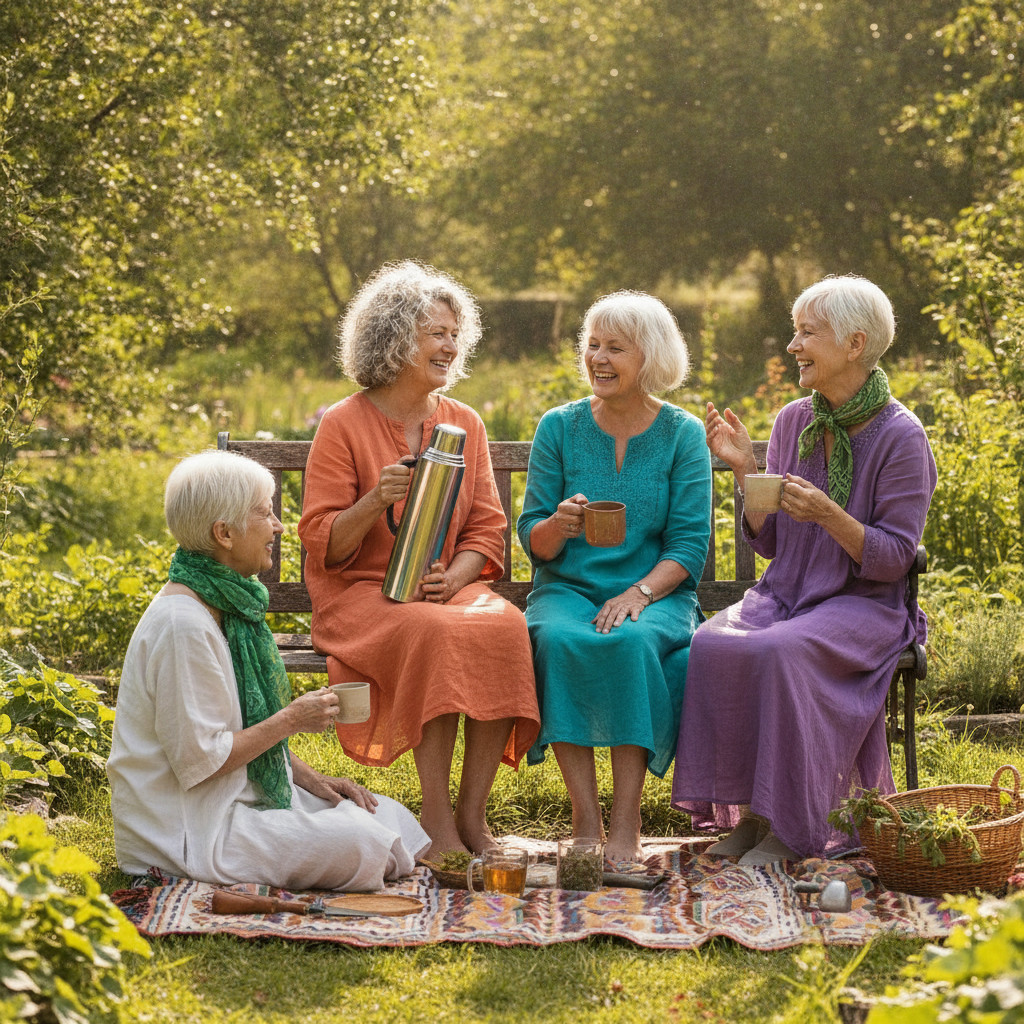
Quick guide for women over 60 finding their place in cannabis
It shows product types and benefits for pain relief, sleep, and anxiety.
Because older adults value clear dosing, start low and go slow.
Moreover, the senior women cannabis community shares real-world tips and caution.
| Product Type | Benefits | Onset Time | Duration | Suitability for Beginners |
|---|---|---|---|---|
| Oils and tinctures | Adjustable dosing; pain relief; anxiety reduction; sleep support | 15 to 45 minutes | 4 to 8 hours | Excellent; easy microdosing options |
| Edibles | Strong pain relief; sleep aid; discreet use | 30 to 120 minutes | 6 to 12 hours | Use caution; start with low dose |
| Topicals | Local pain and inflammation relief; no high | 15 to 30 minutes | 2 to 6 hours | Very good; minimal systemic effects |
| Vaporizers (vaping) | Fast relief for pain or anxiety; flexible dosing | Immediate to 10 minutes | 1 to 4 hours | Moderate; avoid if lung issues exist |
| Capsules | Precise dosing; discreet; helpful for sleep | 45 to 90 minutes | 6 to 10 hours | Good; predictable effects |
| Pre-rolls (smoking) | Rapid onset; social ritual | Immediate to 15 minutes | 1 to 3 hours | Not ideal for beginners or lung-sensitive users |
Therefore consult your clinician about interactions with medications and proper dosing.
Community Power: Women over 60 finding their place in cannabis
Stigma loosens when women form groups that share experience and care. Because many felt isolated, cannabis created new social spaces. Therefore these spaces foster support, knowledge, and leadership. Moreover, they help normalize use among peers.
Groups meet at dispensaries, community centers, and expos. For example, connections grow through networks such as the Women’s Cannabis Chamber of Commerce. Visit Women’s Cannabis Chamber of Commerce to learn about events and mentorship. Liz Quinn reflects on that change. She said, “What began as coping became study. What began as relief became a relationship.” As a result, users trade dosage tips and safety practices.
Social benefits of cannabis use in older women include
- Reduced isolation: Shared rituals create friendship and routine.
- Peer education: Members teach dosage clarity and safer product choices.
- Civic engagement: Women step into advocacy and business leadership.
- Emotional support: Cannabis can ease anxiety and open honest talk.
Research also notes growing community interest and medical motives. See broader studies at this research article for context. Finally, the cannabis community for seniors strengthens both health and social ties. Therefore older women reshape norms while building practical, caring networks.
Conclusion
Women over 60 finding their place in cannabis show a clear trend toward empowerment and practical wellness. They pursue relief from pain, anxiety, and poor sleep, and they demand safer access. As a result, women lead community groups, found businesses, and teach peers about dosage. Moreover, product designs like TarTubes and clearer labeling reflect those needs.
Empowerment matters because older women often manage complex health issues while seeking quality of life. Therefore clinicians and policymakers must listen and support safe study and access. For clear, trustworthy information on CBD, hemp, and cannabinoids, consult MyCBDAdvisor.
Finally, EMP0 also matters here as a resource and entry point for education and outreach. Because communities grow stronger when they share knowledge, EMP0 can help scale peer education. Read on, connect locally, and remember to start low and go slow. Join local groups, dispensaries, or online networks. They offer mentorship and practical tips.
Frequently Asked Questions
Is cannabis safe for women over 60 and how do I check for drug interactions?
Cannabis can be safe when used carefully. Because older adults often take other medicines, check for interactions before starting. First consult your clinician or pharmacist, bring a full medication list including over the counter supplements, and review potential interactions with cannabis and cannabinoids. Trusted summaries include NIDA on substance use in older adults and a review in PubMed Central. See NIDA and research: PubMed Central.
How should dosing work for seniors?
Start low and go slow. Begin with very small amounts, wait long enough to observe effects, and increase only gradually. Keep a dosing log with date time product type dose and effects. Use these tips:
- Note baseline symptoms before each dose
- Record onset peak and duration
- Track side effects and daily activities
Share your log with your clinician.
What benefits might older women expect?
Many report pain relief, reduced anxiety, and improved sleep. Individual response varies, so monitor effects closely.
Which products are best for beginners and seniors?
Tinctures, topicals, and low dose capsules are often preferable because they allow steady dosing and less respiratory risk.
What specific drugs interact with cannabis?
Common concerns include blood thinners, antidepressants, and sedatives. Ask your provider about cytochrome P450 interactions and watch for increased drowsiness or bleeding risks.
How does polypharmacy affect cannabis safety?
When taking many medications, interaction risk rises. Reduce complexity by reviewing every medicine with a clinician, consolidating therapies where possible, and monitoring liver function if advised.
Where can I find trusted information and support?
Join local senior cannabis groups and visit Women’s Cannabis Chamber of Commerce. For clear guidance consult MyCBDAdvisor and discuss specifics with healthcare professionals.