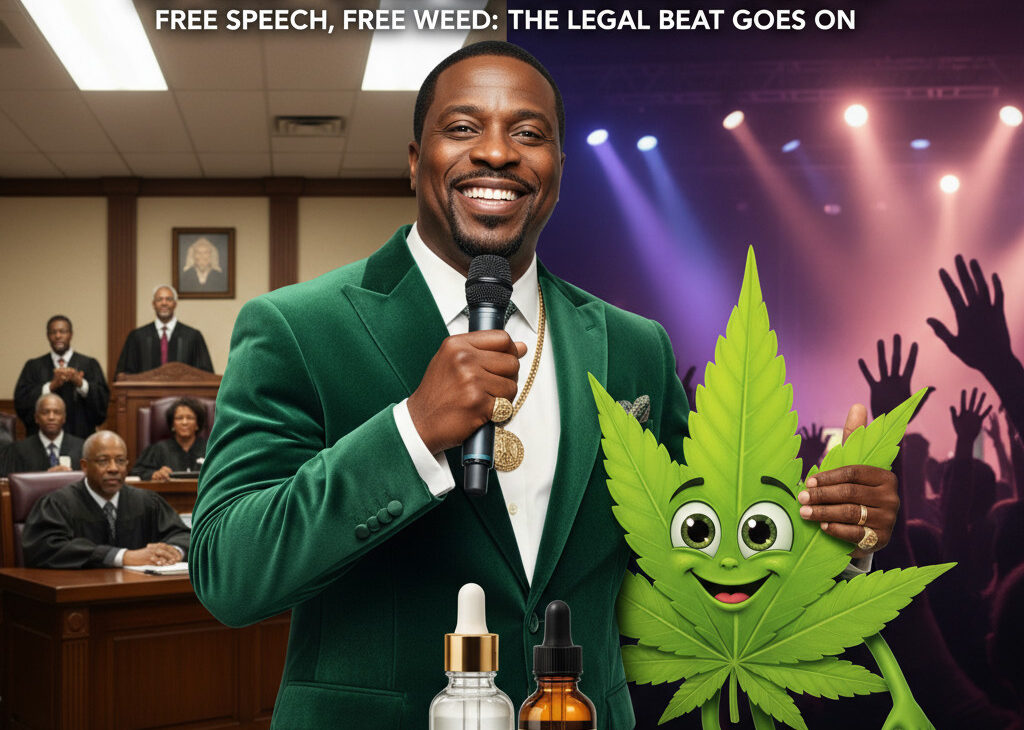
Afroman beat the cops in court
When Afroman beat the cops in court, the verdict did more than settle a lawsuit. It turned a 2022 raid into a cultural flashpoint. The rapper faced claims from seven Ohio sheriff’s deputies who sought millions in damages. However, a jury found him not liable, and the outcome resonated far beyond the courtroom.
Because he repurposed the surveillance footage into Lemon Pound Cake and viral music videos, he reframed the story as free expression. As a result, the case raises urgent questions about police overreach, creative freedom, and cannabis culture.
This article will analyze the legal reasoning, the claims of privacy and publicity, and the symbolic victory for artists. It will also explore how Getting It Back and Freedom of Speech branding shaped the post-verdict rollout. Finally, this piece argues that Afroman’s approach shows how performance, social media, and legal strategy can combine to protect speech.
We will look at the trial record, the viral videos, and the cultural fallout. We will explain why this ruling matters to free speech and cannabis reform.

Afroman beat the cops in court: background and key events
The legal drama that ended with Afroman beat the cops in court grew from a chaotic August 2022 raid on the rapper Joseph Foreman’s home in Adams County, Ohio. Deputies executed a search warrant tied to allegations of drug trafficking and kidnapping, though no charges followed. The raid left a lasting sting, and Foreman pushed back by turning his home surveillance footage into music and video content. He released tracks like Lemon Pound Cake and later promoted Getting It Back as part of a post‑verdict rollout. As a result, seven Ohio sheriff’s deputies sued him, seeking millions in damages for what they said were defamatory and invasive portrayals.
The trial, which concluded with a jury finding Afroman not liable on March 18, 2026, tested the edge between parody, artistic speech, and officials’ reputational harms. During the trial, the deputies argued the videos humiliated them and led to public ridicule. Afroman countered that his work was protected political commentary and parody, designed to expose alleged misconduct and resist perceived police overreach. The case attracted national attention because it mixed viral culture, surveillance footage, and cannabis culture, and because it raised First Amendment questions about artists who use real events in their art.
For detailed reporting on the verdict and its implications, see the Associated Press, Rolling Stone Canada, and High Times.
This backdrop helps explain why supporters framed the verdict as a symbolic win for free expression and cannabis culture. However, critics warned the ruling could complicate privacy claims by public officials and reshape how future cases treat surveillance footage in art and social media. The next sections will analyze the legal reasoning and cultural fallout, including how Foreman rebranded his tour under Freedom of Speech and folded the verdict into his live performances.
| Case | Year | Legal claims | Defense | Outcome | Repercussions |
|---|---|---|---|---|---|
| Afroman v. Seven Ohio sheriff’s deputies | 2026 | Deputies sued over viral music videos made from 2022 raid footage, seeking millions for defamation and invasion of privacy | Afroman argued First Amendment protection, parody, and political commentary using surveillance footage as art | Jury found Afroman not liable on March 18, 2026 | Reinforced speech defenses for artists, boosted Afroman’s Freedom of Speech branding, and raised questions about officials’ privacy claims |
| 2 Live Crew obscenity prosecutions | late 1980s to early 1990s | Local prosecutions and store owner charges claimed the album was legally obscene | Band invoked First Amendment protections for musical expression and parody | Initial convictions or local rulings faced appeal, and courts later limited obscenity prosecutions of music | Helped clarify free expression limits for explicit lyrics and reduced the threat of obscenity enforcement against musicians |
| Marvin Gaye estate v. Robin Thicke and Pharrell Williams (Blurred Lines) | 2013 2015 | Copyright claim that Blurred Lines copied elements of Got to Give It Up | Defendants argued independent creation and that they copied style not protected elements | Jury found infringement; plaintiffs awarded damages later adjusted on appeal | Heightened copyright risk for songs that resemble older works and changed how artists and producers vet compositions |
| Metallica v. Napster | 2000 | Metallica alleged widespread copyright infringement via Napster’s file sharing | Napster argued limited liability and peer to peer transfer; service faced direct and contributory infringement claims | Parties settled after court rulings against Napster; service shut down and restructured | Strengthened enforcement against unauthorized sharing and accelerated licensed digital distribution models |
Afroman beat the cops in court: cultural impact and public reaction
The verdict that left Afroman beat the cops in court rippled far beyond the courthouse. Because he turned surveillance footage into Lemon Pound Cake, the case fused music, meme culture, and legal debate. Media framed the win as a First Amendment victory and as a stunt that challenged police authority. However, commentators also warned about privacy and reputational harm for public officials.
- Public reaction: Many hailed the ruling as a win for satire and free expression. See The Guardian
- Media coverage: News outlets traced how Foreman transformed a 2022 raid into viral content and performances. See AP
- Digital culture impact: Memes, streams, and tour branding amplified the story and the artist’s message. See Ars Technica
Therefore, the case matters because it reshapes how artists and audiences view surveillance footage. As a result, legal teams will reassess privacy claims tied to public officials. Additionally, music industry stakeholders may adjust content risk analyses and promotion strategies. In short, Afroman’s victory altered the conversation about free expression, police oversight, and the power of viral art.
Supporters used the win in merchandising and tour marketing. For example, Foreman rebranded shows under Freedom of Speech. This shows how legal outcomes can fuel cultural momentum.
CONCLUSION
Afroman beat the cops in court represents more than a single legal victory. The jury’s decision affirmed broad speech protections for remixing real events. It also highlighted tensions over surveillance, privacy, and public officials. The case shows how viral culture and music reshape legal narratives. The ruling shows artists can turn disputes into platforms. Because the jury found Foreman not liable, similar cases may face higher barriers. Plaintiffs may struggle when they cite reputational harm. However, the decision also prompts careful legal review of privacy claims and evidence use.
Frequently Asked Questions (FAQs)
What did the verdict mean?
When Afroman beat the cops in court a jury found him not liable for claims by seven Ohio sheriff’s deputies. Because he used the footage in art, the case focused on free speech. The ruling affirmed strong speech protections for artists who use real events in commentary.
Why did the deputies sue Afroman?
They alleged defamation and invasion of privacy. They argued the viral videos humiliated them and damaged reputations. Moreover, they sought millions in damages. However, the court sided with Afroman’s free speech defense.
What legal defenses helped Afroman?
His lawyers invoked the First Amendment and argued the work was parody and political commentary. They stressed artistic context and public interest. As a result, the jury found insufficient grounds for liability.
Does this create legal precedent?
Not binding nationwide, but the outcome carries persuasive weight. Courts may refer to it in similar disputes. Therefore, plaintiffs face greater hurdles when suing over expressive works that remix public events.
What are practical implications for artists and cannabis culture?
Artists may feel emboldened to use real footage for commentary. At the same time, lawyers will still advise care with privacy and defamation risks. Additionally, the case amplified cannabis culture conversations and tour branding, such as Freedom of Speech and Getting It Back.