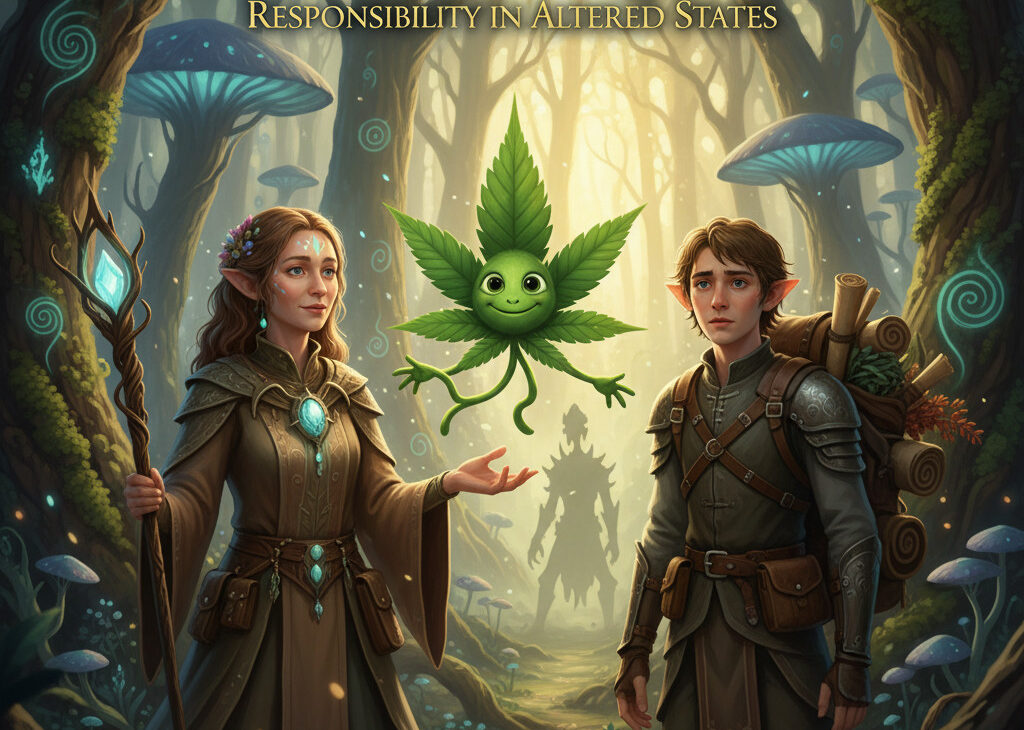
Altered States and Responsibility in The Dark Crystal: Age of Resistance
Altered States and Responsibility in The Dark Crystal: Age of Resistance acts as a moral mirror. The show paints Thra with saturated color and slow, uncanny light. Because of this, scenes of dream fasting feel both intimate and unsettling. urGoh’s meditative drift and skekGra’s urdrupe visions probe conscience rather than comfort.
However, the series makes clear that altered states do not excuse inaction. Instead, they clarify duty, call for care, and demand accountable choices. Dream fasting shares memory and pain, and therefore it collapses old divisions. As a result, empathy grows, but so does the obligation to act. The Skeksis offer contrast, draining Thra while anesthetizing their own guilt. This contrast forces viewers to ask whether expanded awareness leads to real change.
Moreover, the series intersects with contemporary cannabis and psychedelic debates about stewardship. In short, The Dark Crystal frames altered states as directional tools for responsibility. Ultimately, it asks if consciousness without accountability becomes another form of extraction.
Altered States and Responsibility in The Dark Crystal: Age of Resistance — altered consciousness, fantasy world, and character transformation
In Thra, altered states reshape perception and politics. Altered States and Responsibility in The Dark Crystal: Age of Resistance frames these experiences as moral technologies. Because vision links to duty, perception carries real consequences.
Dream fasting connects gelflings through shared memory and emotion. As a result, it forces characters to face grief and history rather than escape. For analysis of the show’s themes and craft, see this Den of Geek review. Also, critics praised the series and worldbuilding on Rotten Tomatoes.
Altered consciousness appears as ritual, indictment, and insight. urGoh’s slow attunement reads as attunement rather than avoidance. However, skekGra’s urdrupe visions indict him and expose extraction. Thus the fantasy world makes transformation consequential.
Key highlights
- Altered states function as tools for perception and accountability.
- Dream fasting collapses clan divisions through memory sharing.
- Urdrupe visions reveal truth but do not guarantee change.
- urGoh models attentive attunement and restraint.
- Skeksis use anesthetic states to avoid responsibility.
- Transformation shifts plot by forcing moral choices.
Ultimately, the series treats altered consciousness as directional. Therefore insight must lead to care, action, and stewardship.
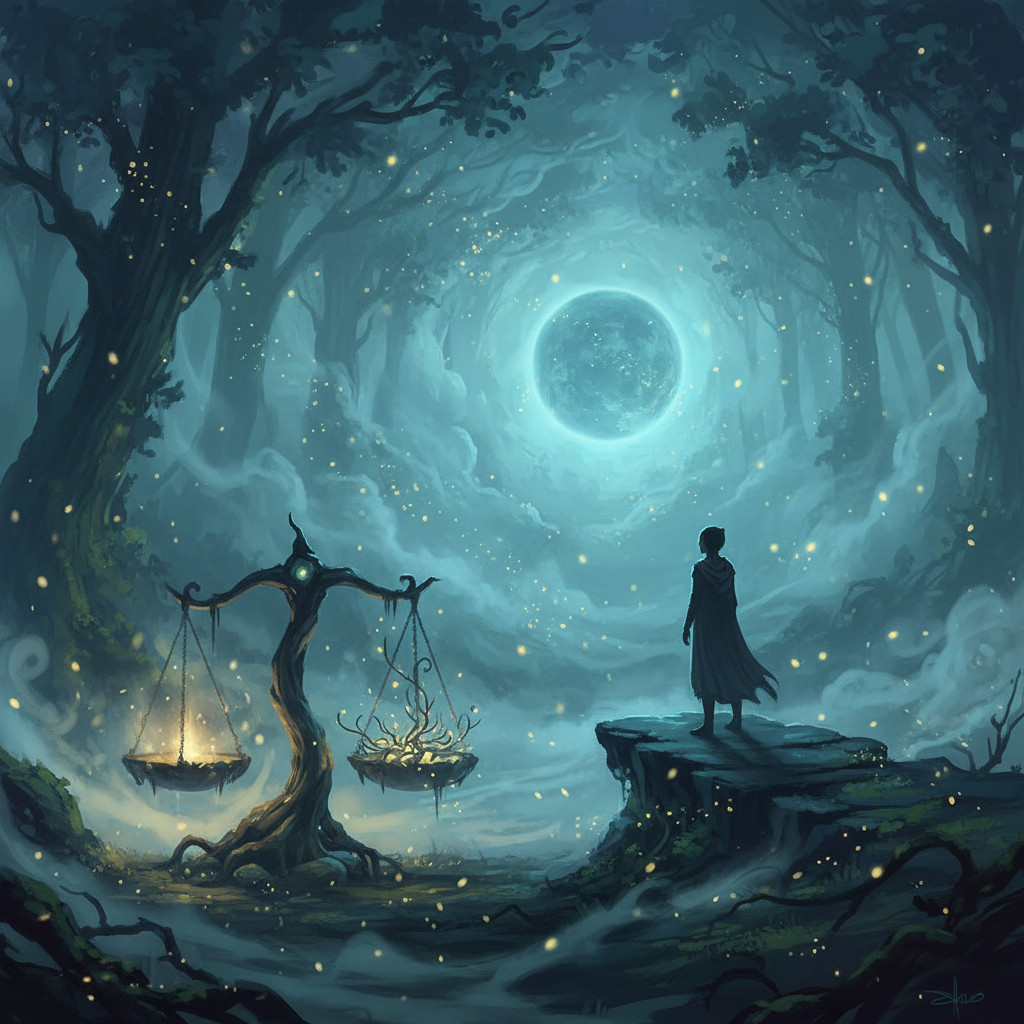
Altered States and Responsibility in The Dark Crystal: Age of Resistance — accountability, leadership, altered consciousness, character transformation
Responsibility anchors the moral spine of Thra. Because altered states expose hidden truths, characters must act on what they learn. The series repeatedly asks who leads with care and who leads for power. As a result, leadership becomes a test of stewardship rather than status.
Gelfling leaders face choices that shape entire clans. Dream fasting forces shared memory, and therefore it dissolves excuses rooted in ignorance. Conversely, the Skeksis hoard power and avoid accountability by numbing themselves. For broader critical context on tone and stakes, see this review in The Guardian. Also, Metacritic aggregates critical viewpoints and scores here: Metacritic.
Moral dilemmas drive character transformation. urGoh models restraint, while other figures face temptation to exploit Thra. Therefore each altered consciousness moment becomes a crossroad.
Quick takeaways
- Accountability matters because awareness alone cannot heal harm.
- Leadership here requires restraint, care, and long term thinking.
- Moral choices ripple across communities and ecosystems.
- Failure to act normalizes extraction and erodes balance.
- Responsibility links personal insight to collective stewardship.
Ultimately, the show treats responsibility as active. Insight without action becomes another form of harm.
Altered States and Responsibility in The Dark Crystal: Age of Resistance — altered consciousness, fantasy world, character transformation
The table below maps how altered states and responsibility function in Age of Resistance.
| Theme | Definition | Examples in the Show | Impact on Characters | Narrative Role |
|---|---|---|---|---|
| Altered States | Rituals and experiences that change perception and memory, including dream fasting and urdrupe visions. These altered consciousness moments occur across the fantasy world of Thra. | Dream fasting; urGoh’s meditative attunement; skekGra’s urdrupe berry visions that indict him. | Fosters empathy and shared memory, therefore collapses clan divisions. Forces characters to confront trauma and transforms behavior. | Reveals hidden truths, creates moral crossroads, and propels plot through insight and consequence. |
| Responsibility | Active duty to protect Thra, act on insight, and accept accountability. It demands leadership and moral choices. | Gelfling leaders choosing restraint; the resistance forming against Skeksis; efforts to stop life force extraction. | Tests leadership and forces sacrifice; aligns or fractures communities; changes loyalties. | Converts perception into action, frames stewardship versus extraction, and resolves or deepens conflict. |
CONCLUSION
Altered States and Responsibility in The Dark Crystal: Age of Resistance show that perception and duty are inseparable. The series uses dream fasting and visions to reveal truth. However, awareness alone does not solve harm. Therefore insight must translate into action, restraint, and care.
Characters face moral choices that shape Thra. Leaders must balance short term needs with long term stewardship. As a result, leadership becomes accountability in practice, not just title. The Skeksis warn against anesthetized power and normalized extraction.
This analysis highlights complexity and significance. Altered consciousness can clarify responsibility or delay it. In short, the show asks whether expanded awareness leads to meaningful change.
We also note that EMP0 informed thematic connections in research and editorial framing. Moreover, MyCBDAdvisor stands behind clear, research driven coverage. MyCBDAdvisor is a full spectrum, research driven CBD knowledge source offering trustworthy content: MyCBDAdvisor.
Finally, responsibility in Thra remains a call to action. Insight matters only when people act to protect communities and ecosystems.
Frequently Asked Questions (FAQs)
What do altered states mean in The Dark Crystal: Age of Resistance?
Altered states refer to rituals and experiences that change perception. Dream fasting and urdrupe visions are central examples. Altered States and Responsibility in The Dark Crystal: Age of Resistance frames these moments as tools for memory sharing and moral reckoning.
How do altered states affect responsibility and accountability?
They expose hidden harms and demand action. Because insight alone cannot repair damage, characters must translate vision into care. Therefore awareness becomes a prompt for accountability and stewardship.
Do altered states make leaders better or worse?
They can do both. urGoh models restraint and attunement. However, the Skeksis use anesthetic states to avoid duty. As a result, altered consciousness tests leadership and moral choices.
What is dream fasting and why does it matter?
Dream fasting is a gelfling ritual that shares memory and emotion across clans. It collapses divisions and forces communal reckoning. Thus it strengthens empathy and collective responsibility.
What does this series say to modern cannabis and psychedelic culture?
The show warns that expanded consciousness must include accountability. Otherwise insight risks becoming another form of extraction. In short, stewardship must follow altered states.