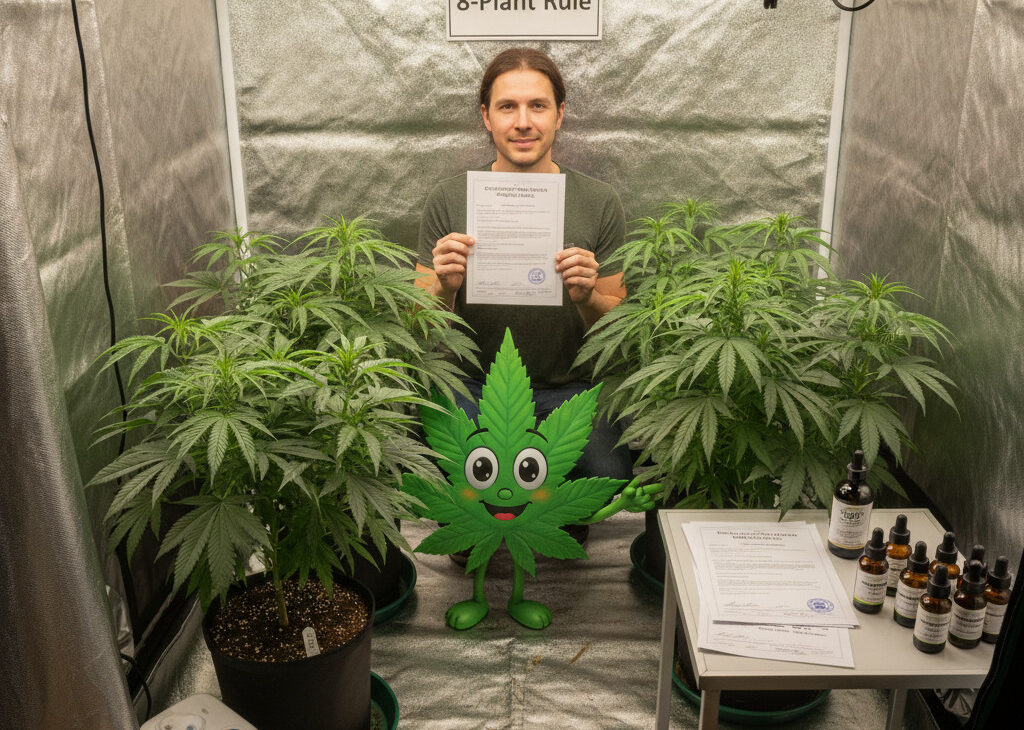
Minnesota home cannabis cultivation eight-plant rule (8 plants per residence)
Minnesota home cannabis cultivation eight-plant rule (8 plants per residence) marks a major change for adult growers. However, knowing the specifics matters because limits, mature plant counts, and legal storage affect safety and compliance. Whether you plan a small indoor tent or a screened outdoor plot, clear rules keep neighbors and families safe.
As a result, understanding Minnesota’s eight-plant framework — including that only four plants may be mature and flowering at once, that all plants must be kept in an enclosed and locked space out of public view, and that outdoor grows need screening and secure fencing — helps you plan crop cycles, choose seeds such as autoflowers or feminized varieties to stagger harvests, manage humidity and soil needs, avoid accidental exposure to minors or pets, and stay within state law so you can enjoy home cultivation with confidence and minimal legal risk, and comply with local regulations by documenting seed sources and keeping Certificates of Analysis when available.
Legal background and details of the Minnesota home cannabis cultivation eight-plant rule (8 plants per residence)
Minnesota law now allows adults 21 and older to grow cannabis at their primary residence. Specifically, the Minnesota home cannabis cultivation eight-plant rule (8 plants per residence) permits up to eight plants per household. However, only four plants may be mature and flowering at any one time.
Key legal details
- Plant limits: eight plants per residence and a maximum of four mature flowering plants. This rule is per residence, not per person.
- Age requirement: growers must be at least 21 years old.
- Secure location: plants must be in an enclosed, locked space not open to public view. Outdoor grows need screening and a locked fence.
- Caregiver exception: certain caregivers may cultivate additional plants under specific rules.
For the official statutory language, see Minnesota Statutes Section 342.09 at Minnesota Statutes Section 342.09. Also, the Minnesota Department of Agriculture provides practical guidance on cannabis seed and planting rules at Minnesota Department of Agriculture Cannabis Seed Guidelines.
These rules aim to balance adult access with public safety and compliance. Therefore, understanding the statute helps you plan plant limits and grow cycles. In addition, it clarifies how plant counts, storage, and visibility affect legal standing.
Implications and responsibilities for home growers under the Minnesota home cannabis cultivation eight-plant rule (8 plants per residence)
Growing at home gives control, but it brings clear responsibilities. Home growers must follow cannabis laws in Minnesota and meet safety and record keeping standards.
What growers must do
- Keep plants secure and out of public view to prevent accidental access. Because children and pets can be harmed, secure storage is essential.
- Track plant counts and growth stages. For example, stagger plants with autoflowers or feminized seeds to stay within the four mature plant limit.
- Use quality inputs such as organic potting mix and filtered water. This reduces contamination and improves crop health.
- Document seed sources and Certificates of Analysis when available. As a result, you prove genetics and compliance for peace of mind.
Compliance tips
- Plan harvests so no more than four plants flower at once. This lowers legal risk and simplifies management.
- Use an enclosed grow space such as a 4×4 grow tent indoors. Alternatively, screen outdoor plots behind a locked fence.
- Stay informed. Because laws can change, review official resources regularly and consult local guidance.
Following these steps helps you enjoy home growing cannabis legal and safe while respecting plant limits and community standards.
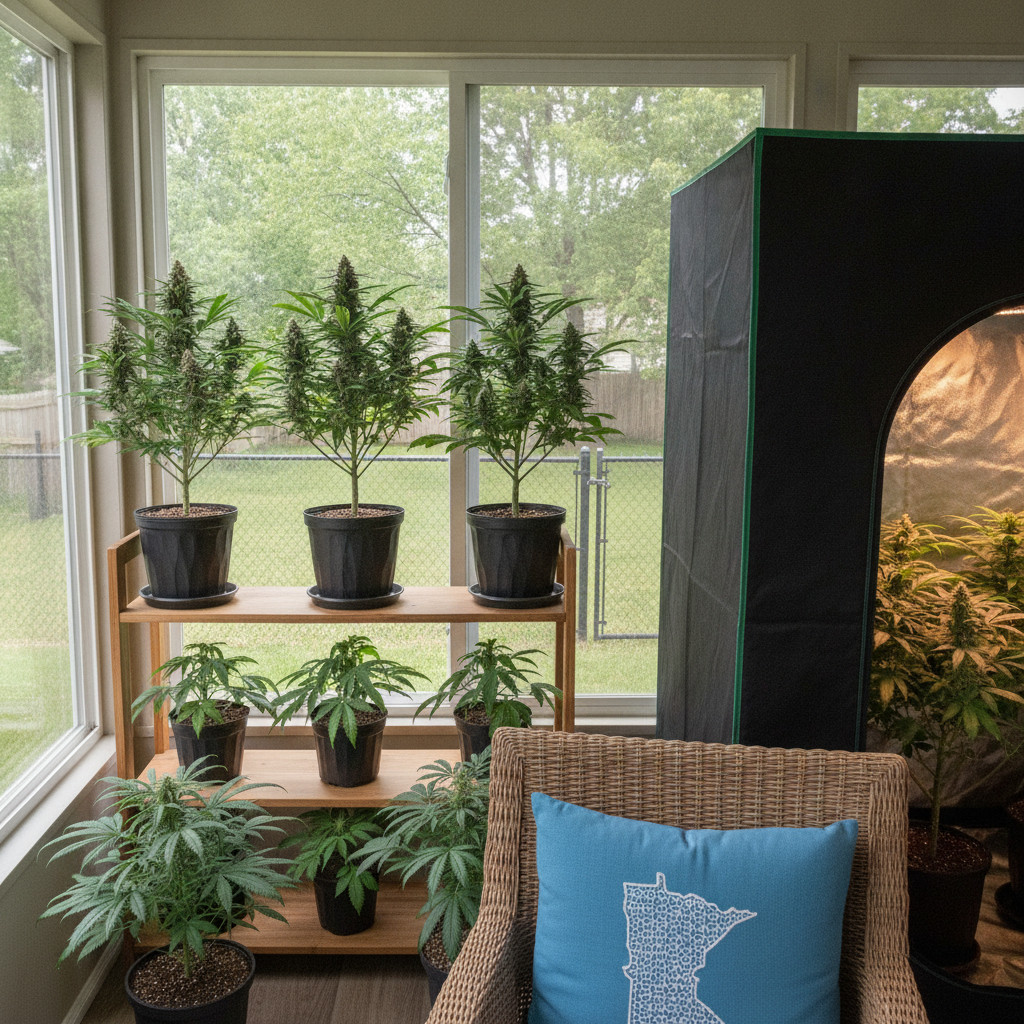
Benefits and challenges of the Minnesota home cannabis cultivation eight-plant rule (8 plants per residence)
The Minnesota home cannabis cultivation eight-plant rule (8 plants per residence) offers clear benefits and real challenges for growers. For many adults 21 and older, the rule brings legal clarity and reduces reliance on illicit sources. Because the law sets plant limits and storage requirements, neighbors face fewer surprises and communities gain predictable standards.
Key benefits
- Legal clarity and consumer safety. Home growing cannabis is legal now, therefore adults can produce tested genetics and keep Certificates of Analysis when available.
- Reduced illicit market demand. As a result, more consumers may choose home cultivation over illegal sources.
- Control over quality and cultivation. Growers can choose autoflowers or feminized seeds for staggered grow cycles and better yield timing.
- Community predictability. Local residents see fewer public displays and odor issues when plants stay behind locked fences or inside a 4×4 grow tent.
Common challenges
- Space and plant limits. The eight-plant limit is per residence, not per person, so large households may find plant limits restrictive.
- Compliance complexity. Because only four plants may be mature at once, growers must track growth stages carefully and plan harvests.
- Local rules and landlords. Some municipalities and property owners can impose stricter rules, so you must check local ordinances and leases.
- Security and privacy. Outdoor grows need screening and locked fences to avoid public view and accidental access by minors or pets.
Practical cultivation advice
- Stagger planting dates and use autoflowers to maintain a steady supply.
- Use high-quality organic potting mix and filtered water to reduce contamination.
- Keep documentation of seed sources and COAs for traceability.
- Use enclosed spaces and odor control to limit community impact.
Key takeaways
- The rule balances adult access with public safety and community concerns.
- Plan grows and document supplies to stay compliant.
- For official statute language, see Minnesota Statute.
- For seed and planting guidance, see Minnesota Department of Agriculture.
Following these tips helps you enjoy home cultivation responsibly and within plant limits.
Comparing the Minnesota home cannabis cultivation eight-plant rule (8 plants per residence) with other states
| State | Plant limit | Legal conditions | Special provisions |
|---|---|---|---|
| Minnesota | 8 plants per residence (max 4 mature flowering) | Adults 21+ may grow at primary residence. Plants must be in enclosed, locked space not open to public view; outdoor grows require screening and locked fence. | Caregiver exceptions may apply; local rules may add restrictions. |
| California | Up to 6 plants per residence (subject to local rules) | Adults 21+ may cultivate for personal use. Local ordinances can limit or ban home grows. | Local governments may set stricter limits and rules for rentals and multiunit housing. |
| Colorado | Up to 6 plants per person; max 12 per residence | Adults 21+ may grow on property they own or control. Plants must be out of public view and secured. | Two or more adults may collectively grow no more than 12 plants; local ordinances can impose limits. |
| Oregon | Up to 4 plants per household | Adults 21+ may cultivate for personal use at their residence. Plants must not be visible from public places and must be secured. | Medical patient allowances can differ; municipalities may regulate cultivation. |
| Michigan | Up to 12 plants per residence | Adults 21+ may grow at their primary residence. Plants must be kept out of public view and secure. | Local governments may adopt reasonable time, place, and manner restrictions. |
This table highlights how plant limits and legal conditions vary across states. Therefore, before you plant, check state statutes and local ordinances to stay compliant and avoid unexpected restrictions.
CONCLUSION
The Minnesota home cannabis cultivation eight-plant rule (8 plants per residence) gives adults clear rights and clear responsibilities. It allows up to eight plants per residence while limiting four mature flowering plants at any time. Growers must be 21 or older and keep plants in an enclosed, locked space that is not open to public view. Outdoor grows must be screened from the street and behind a locked fence. Therefore, the law balances legal access with public safety and community standards.
Responsible home growing needs planning, documentation, and good hygiene. Track plant counts and growth stages, stagger plantings, and consider autoflowers or feminized seeds to manage harvest timing. Use high quality organic potting mix and filtered water to reduce contamination. Keep Certificates of Analysis for seed lots when available, because records support compliance and quality control.
The rule reduces dependence on illicit sources and brings legal clarity to home cultivation. However, local ordinances and landlord rules can add restrictions, so check local guidance before you plant. As a result, staying informed will protect you and your household.
EMP0 is noted here as part of ongoing monitoring and policy evaluation. MyCBDAdvisor commits to providing research driven, trustworthy cannabinoid information and practical growing advice. Visit MyCBDAdvisor for more guides, seed resources, and safety tips. Grow responsibly, respect the eight plant limit, and enjoy legal home cultivation with confidence.
Frequently Asked Questions (FAQs)
What is the Minnesota home cannabis cultivation eight-plant rule (8 plants per residence)?
Adults 21 and older may grow up to eight cannabis plants per residence. However, only four plants may be mature and flowering at any time. The rule is per residence, not per person. See the statute at Minnesota Statute for details.
Can multiple adults in one home each grow their own plants?
The eight plant limit applies to the residence. Therefore two adults cannot each grow eight plants in the same residence. In addition, local ordinances may impose different rules.
Where should I keep my plants to stay compliant?
Keep plants in an enclosed and locked space not visible to the public. Outdoor grows must be screened from the street and behind a locked fence. For seed and planting guidance, visit Minnesota Department of Agriculture.
What happens if I exceed the plant limits?
Penalties vary by case and may include fines or criminal charges depending on amounts and intent. Because laws change, consult the statute or a lawyer for legal advice.
What are best practices for safe, legal home cultivation?
Track plant counts and growth stages. Stagger harvests and use autoflowers to manage mature plant limits. Use quality organic soil and filtered water, keep COAs for seeds, and secure your grow area. As a result you reduce risk and protect your household.