Psychedelicatessen: Where Deli Culture Meets Psychedelic Pop
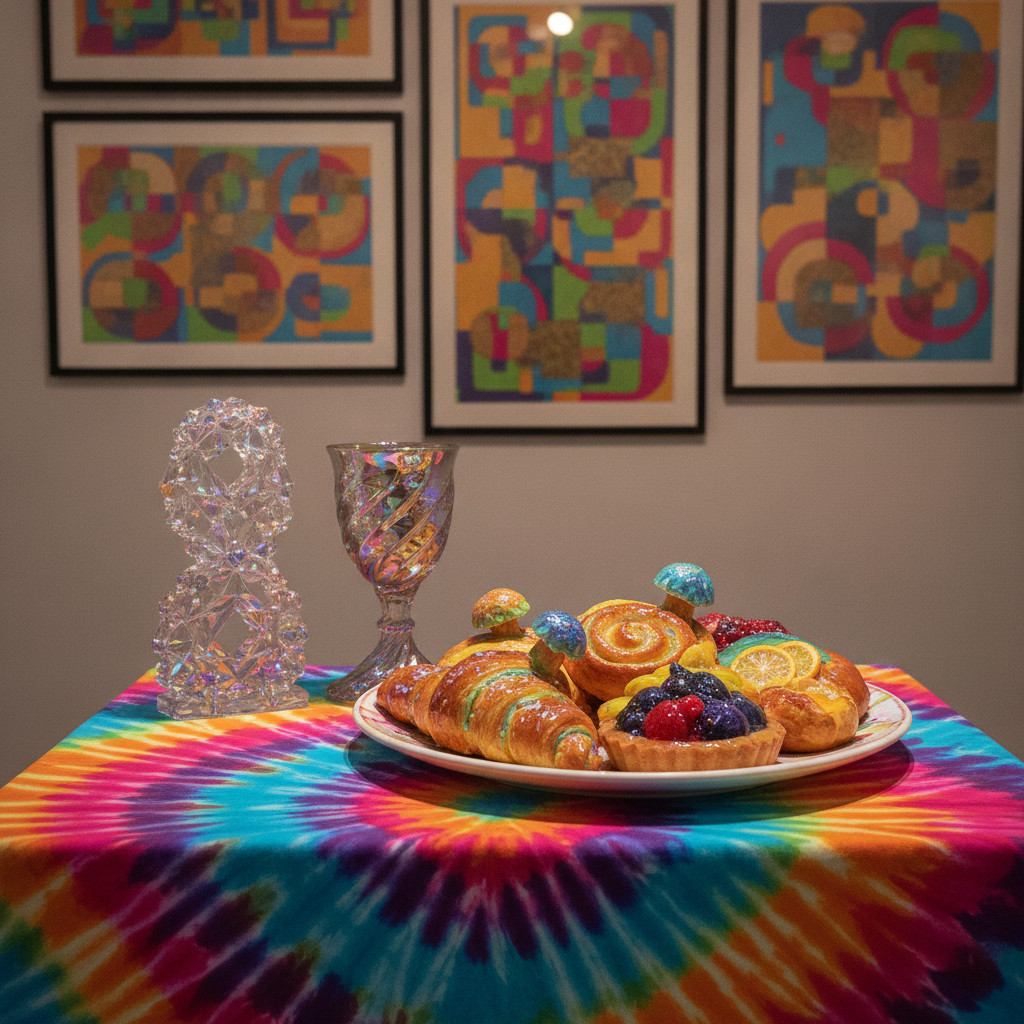
Psychedelicatessen reimagines deli culture as a swirling, neon ode to memory and meaning. Here, sandwich counters meet sacred objects and vibrant giclée prints. Because this blend is playful and provocative, it matters to today’s wellness and lifestyle culture.
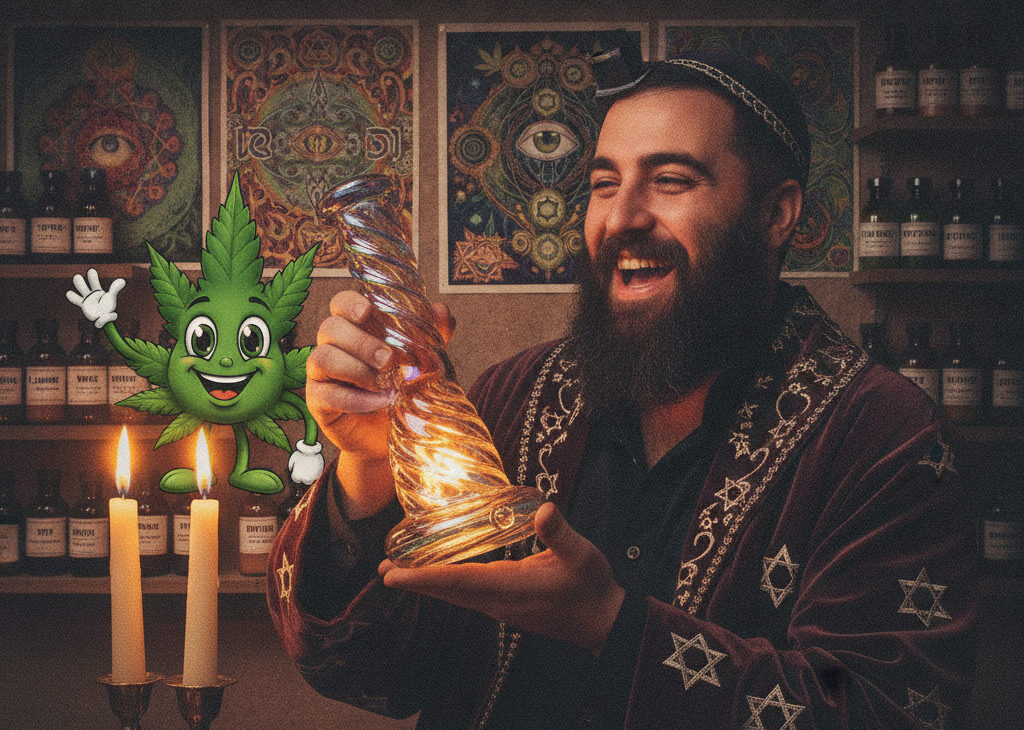
Moreover, Psychedelicatessen tracks the mainstreaming of cannabis and psychedelics in art. As a result, it blurs lines between ritual, recreation, and wellness. Artists like Steve Marcus turn mezuzot and kiddush cups into witty, thoughtful objects. Therefore, viewers find both humor and reverence in the work.
Practically, this trend fuels kosher pop art and pop Judaica movements. Likewise, it feeds a larger appetite for psychedelic cuisine and mindful cannabis culture. Because people seek new rituals, Psychedelicatessen offers a playful bridge to tradition.

Psychedelicatessen and the Culinary Reinvention of Ritual
Psychedelicatessen reframes food as ritual, art, and experiment. It blends deli nostalgia with neon aesthetics and mindful consumption. Because chefs and creative cooks look to psychedelia, menus change.
- Sensory-first dining that plays with color, texture, and scent.
- Cannabis and mushroom-inspired flavors in legally compliant formats.
- Kosher pop art influences plating and narrative.
- Interactive tasting menus that feel ceremonial and playful.
- Collaborations with artists bring gallery-style presentations to restaurants.
- Because diners seek new rituals, restaurants experiment with micro-ceremonies.
The Oregon show maps this move from gallery to plate. Learn more about the art that inspires chefs at the Oregon Jewish Museum’s exhibition: Psychedelicatessen Exhibition. Therefore, Psychedelicatessen signals a new culinary vocabulary. Likewise, it nudges kosher chefs to play with identity and humor. As a result, pop Judaica and kosher folk art influence menu narratives and dish names. However, chefs balance reverence with irreverence to respect traditions.
Psychedelicatessen’s Influence on Wellness, Cannabis and Cultural Movements
Psychedelicatessen intersects art, cannabis culture, and wellness practices. It highlights how mainstream art absorbs counterculture. As a result, audiences rethink ritual, healing, and identity.
- Normalizes conversations about cannabis and microdosing in creative communities.
- Connects psychedelic aesthetics with Jewish ritual objects and symbols.
- Spurs scholarly and public interest in pop Judaica and kosher folk art.
- Encourages museums to host shows that bridge orthodoxy and unorthodoxy.
- Inspires collaborations between artists, rabbis, and wellness practitioners.
- Therefore, it shows how culture adapts to changing drug and wellness policies.
Steve Marcus’s touring exhibit illustrates these shifts. See coverage of his museum stops and public response: Jewish Museum of Maryland Exhibition. Moreover, the work prompts ethical conversations about appropriation, respect, and sacredness. However, it also opens space for humor and contemporary reinterpretation. Consequently, wellness programs explore ceremonial frameworks that borrow from art and ritual. This trend reshapes public talk on healing today.
Psychedelicatessen Elements Compared
| Element Type | Description | Cultural Significance | Popular Examples |
|---|---|---|---|
| Visual Art | Trippy giclée prints, bold palettes, collage of Judaica and counterculture. | Reframes Jewish symbols; mainstreams cannabis and psychedelic aesthetics. | Steve Marcus giclées; Rabbinic Trips blotter portraits; Terrapin Hora poster. |
| Ritual Objects Reimagined | Kiddush cups made playful; mezuzot repurposed; Shabbat candle holders transformed. | Challenges sacred-secular boundaries; sparks debate about respect and humor. | Shabbos bongs; mezuzah one-hitter; tzitzit roach clip. |
| Culinary Experiments | Colorful plating and sensory-first dishes; cannabis-informed, legally compliant menus. | Creates new dining rituals; blends wellness, nostalgia, and pop Judaica. | Psychedelic plating; cannabis mocktails; gallery tasting menus. |
| Cannabis and Wellness | Microdosing conversations; ceremonial cannabis integration; art-led healing sessions. | Normalizes cannabis in mainstream wellness; informs policy and practice. | Microdosing dinners; museum wellness talks; artist-led ceremonies. |
| Pop Judaica Merchandise | Prints, skateboard art, novelty Judaica with neon palettes. | Makes Jewish culture playful and accessible; fuels kosher pop art market. | Kosher Pop Sk8 Art; novelty kiddush cups; pop Judaica prints. |
| Community and Events | Museum exhibits, gallery shows, pop-up dinners, artist-rabbi talks. | Bridges orthodoxy and unorthodoxy; sparks public dialogue and scholarship. | Oregon Jewish Museum Psychedelicatessen; Galicia Jewish Museum; Jewish Museum of Florida-FIA. |
Psychedelicatessen in Wellness and Lifestyle
Psychedelicatessen blends art, ritual, and mindful practice. Because it pairs bright aesthetics with reimagined objects, it shifts how people approach wellbeing. As a result, it nudges lifestyles toward creativity and ceremony.
- Encourages mindful dining and sensory rituals that heighten presence. Therefore chefs design plates that invite slow, reflective eating.
- Spurs creative expression as a therapeutic tool, linking studio practice to mental health recovery. Moreover artists lead workshops and community sessions.
- Normalizes talk about microdosing and alternative protocols. Studies report “Adults who microdose psychedelics report health related motivations and lower levels of anxiety and depression compared to non-microdosers” source.
- Connects clinical research with cultural practice; Johns Hopkins and other centers fuel credible study of psychedelic therapies source.
- Inspires wellness events that combine art, breathwork, and guided ritual. Consequently museums and studios host interdisciplinary programs.
Rabbi Menachaem Mendel Schneerson captured this effect on perception. He said, “The artist exposes the essence of the thing he portrays,” urging viewers to see anew. Therefore Psychedelicatessen matters to lifestyle trends today. It offers playful, ethical ways to fold creativity into wellbeing.
Conclusion: Why Psychedelicatessen Resonates
Psychedelicatessen fuses nostalgia, ritual, and counterculture into vivid public conversation. It makes Jewish objects playful and prompts new ways to think about wellness. Ultimately, it signals how cannabis and psychedelics enter mainstream culture through art.
Museums, chefs, and wellness leaders respond by blending ceremony with creativity. Therefore, the movement sparks debates about respect, ethics, and cultural reuse. Moreover, it opens space for humor, study, and therapeutic practice.
Look for these emerging threads in culture and lifestyle:
- Pop Judaica and kosher pop art reinventions.
- Sensory-first mindful dining and ritualized meals.
- Art-led wellness workshops and microdosing dialogues.
For readers and practitioners, Psychedelicatessen highlights the power of creative ritual. At MyCBDAdvisor, we remain committed to providing full-spectrum, research-driven insights including emerging trends like Psychedelicatessen. Our focus is to keep you informed with clear, reliable content in the evolving wellness space.
Visit My CBD Advisor for more resources and curated reporting.
Frequently Asked Questions (FAQs)
What is Psychedelicatessen?
Psychedelicatessen is a creative movement linking deli culture, Judaica, and psychedelic art. Artists remix ritual objects and counterculture imagery. Because it mixes humor with reverence, it invites fresh cultural conversation.
Is Psychedelicatessen disrespectful to Jewish tradition?
Not necessarily. Many works balance playfulness with respect. However, the art also sparks debate about boundaries. Therefore museums and rabbis often frame exhibits with context and conversation.
How does Psychedelicatessen connect to wellness and cannabis culture?
It normalizes creative talks about cannabis and alternative practices. Moreover, the movement overlaps with mindful dining and art-led wellness programs. As a result, artists and wellness leaders explore ceremonial frameworks together.
Can non-Jewish audiences enjoy Psychedelicatessen?
Yes. The work uses universal themes like memory, ritual, and humor. Therefore viewers do not need cultural expertise to engage with the art. Guided tours and labels also help contextualize the pieces.
Where can I see Psychedelicatessen exhibitions?
Steve Marcus’s show appears at venues like the Oregon Jewish Museum and Center for Holocaust Education. For current dates and details visit here.