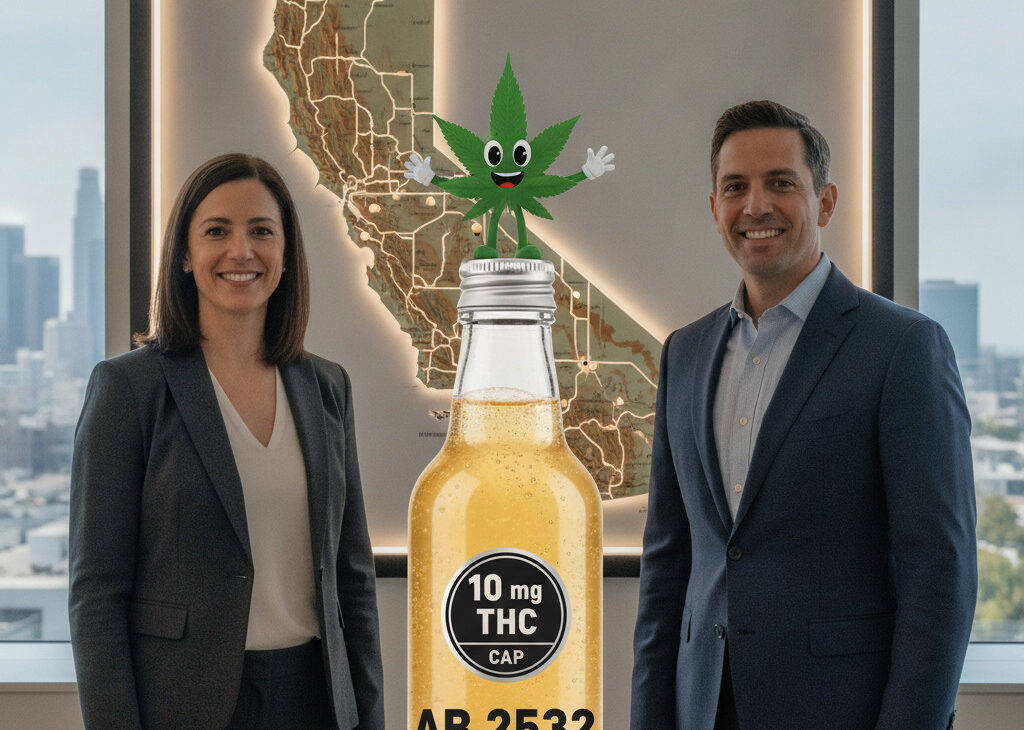
AB 2532 10mg THC cap: Threat to California’s Cannabis Beverage Market
AB 2532 10mg THC cap would limit THC to 10 mg per package for cannabis beverages. This proposed rule lands at a critical time for the regulated beverage category. California dispensaries rely heavily on stronger formats, and industry leaders warn of steep market loss. Moreover, consumers and retailers would face sudden change in product choice and pricing.
This introduction explains why the cap matters and what the article covers. First, we examine the economic impacts on sales and tax revenue. Next, we review regulatory context and enforcement history. Then, we outline the industry response and proposed alternatives like per serving disclosures and better packaging. Finally, we assess potential outcomes for consumers and policymakers.
Because the beverage category represented strong growth in recent years, the cap could ripple through the broader cannabis market. Therefore, stakeholders from growers to state agencies now debate evidence, safety data, and market health. Read on to get clear, concise analysis of AB 2532 and the proposed 10 mg per package limit.
Benefits and Uses of AB 2532 10mg THC Cap
AB 2532 10mg THC cap aims to set a uniform THC limit per package. Supporters say it improves clarity for consumers. However, critics argue it may shrink product choice and hurt the legal market.
Key benefits and typical uses include
- Clear dosage benefits because each package contains a lower and predictable THC amount. This helps new users manage cannabinoid effects and limits accidental overconsumption. Therefore, dosing becomes simpler for novice consumers.
- Enhanced safety for public health since lower packages may reduce acute high intensity events. Moreover, regulators can standardize warning labels and child resistant packaging more easily.
- Standardization across products which supports age verification and retailer compliance. Because labels and lab testing focus on per package totals, enforcement becomes more consistent.
- Easy comparison with other cannabinoid products such as edibles and tinctures. In contrast to high THC beverages, the 10 mg cap narrows potency spread and highlights alternatives like CBD dominant blends.
Overall, the cap offers straightforward dosage controls and consumer clarity. Yet industry groups warn about lost sales and market disruption. For regulatory context visit the California Department of Cannabis Control and tax impact resources at California Department of Tax and Fee Administration. For federal safety data see U.S. Food and Drug Administration.
| Product | THC dosage per package | Typical effects | Price range | User feedback | Notes (keywords) |
|---|---|---|---|---|---|
| AB 2532 10mg THC cap (policy) | 10 mg per package | Mild effects. Good for novice users. | Variable by product and retailer. | Industry groups warn about limited choice and lost sales. | SEO: THC dosage comparison, THC cap products, price differences |
| 20 mg cap (common alternative) | 20 mg per package | Moderate effects. Suitable for regular users. | Often low to mid price. | Users report better value per serving. | Good middle ground for potency and price differences |
| 50 mg cap (higher potency option) | 50 mg per package | Stronger effects for experienced users. | Mid to high price. | Mixed feedback on dosing predictability. | Useful for those seeking higher cannabinoid effects |
| 100 mg format (market standard) | 100 mg per package | High potency. Intended for seasoned consumers. | Higher price per unit, lower price per mg. | Preferred by many buyers for value and options. | Represents large share of beverage revenue in California |
Note that this table lists general ranges. Prices vary by brand and locality. For regulatory context see the main article sections.
Safety, Side Effects, and Recommended Usage of AB 2532 10mg THC cap
AB 2532 limits total THC per package to 10 mg to reduce acute overconsumption. Risks vary by tolerance, health status, and product absorption. The bullets below summarize common effects, dosing guidance, and safety steps.
Potential Side Effects
- Dizziness and lightheadedness, especially in new users.
- Anxiety or transient paranoia at higher doses.
- Nausea or stomach upset for some individuals.
- Increased heart rate and temporary blood pressure changes.
- Impaired coordination and slower reaction time.
Per serving dosage guidance
- Start with 1 to 2.5 mg for first time users and wait at least two hours before redosing. See Harvard Health for older adults research.
- Regular users may find 5 to 10 mg produces predictable effects.
- If a product is a 10 mg package divide it into smaller servings to control intake.
- Avoid alcohol and other central nervous system depressants because they increase impairment.
Recommended usage and testing
- Choose products with third party lab certificates that show potency and contaminants.
- Prefer clear per serving labels and packaging that supports measured dosing.
- Consult a healthcare provider if you take prescription medicines or have heart disease.
- Store products locked away and use child resistant packaging at home.
Key safety reminders
- Start low and go slow.
- Wait two hours before adding more.
- Do not mix with alcohol or sedatives.
- Keep out of reach of children.
- Seek medical help for severe symptoms.
Authoritative sources
Conclusion
The proposed AB 2532 10mg THC cap would set a clear per package limit. It simplifies dosing and reduces risk for new users. The cap offers straightforward dosage control and standardized labeling. Therefore regulators can enforce rules more consistently. However industry groups warn the cap could cause major market disruption and lost tax revenue.
Explore more research, analysis, and product guides at MyCBDAdvisor. Visit the site to read deeper coverage and find practical dosing and safety tips. Stay informed and join the conversation on regulatory tradeoffs affecting consumers and businesses.
Frequently Asked Questions (FAQs)
What is AB 2532 10mg THC cap?
AB 2532 10mg THC cap would limit THC to 10 mg per package for cannabis beverages. It is a proposed California policy aimed at reducing high potency products.
How much should I dose?
Start low and go slow. New users should try 1 to 2.5 mg and wait two hours. Therefore split a 10 mg package into smaller servings if needed.
What effects can I expect?
At 10 mg per package, effects are usually mild to moderate. However tolerance varies. Expect relaxation, altered perception, and slower reaction time.
Is it safe?
When used responsibly it is relatively safe for adults. Avoid mixing with alcohol and consult a doctor if you take medications. Also keep products locked away from children.
Where can I buy legal products?
Buy only from licensed California dispensaries. Check for third-party lab tests and clear per-serving labels. Finally verify age at purchase.