
Draft Introduction
The NLRB ruled that many cannabis cultivation and processing employees may unionize, clearing a major legal obstacle for organizing in regulated marijuana workplaces and raising the stakes for employers and advocates. This precedent could accelerate union drives and push employers toward negotiation rather than prolonged litigation.
The Board held that the contested roles are not agricultural laborers under the secondary definition, so those employees remain covered by the National Labor Relations Act. The decision reversed company challenges after an 11–3 worker vote and addressed alleged retaliatory firings; see the NLRB decision (14-RC-325871) and local reporting on the vote for details: local coverage of the vote.
Immediate takeaways
- Who is affected: cultivation, post-harvest, and processing roles including trimming, infusion, fulfillment, and METRC specialists.
- What you should do next: review job descriptions and classifications, update policies, and consult labor counsel or HR advisors.
NLRB rules cannabis workers can unionize; rejects agricultural worker designation
The NLRB ruled that cannabis cultivation and processing workers may unionize and held they are not agricultural laborers under the secondary definition of agriculture, clearing the way for certification after an 11-3 worker vote and reversing a company challenge to organizing at the BeLeaf Medical Sinse facility.
NLRB Ruling Details — NLRB rules cannabis workers can unionize; rejects agricultural worker designation
Case background
The dispute arose from an organizing drive at BeLeaf Medical’s Sinse facility in St. Louis and a Regional Director’s decision to certify a post‑harvest‑focused unit. The supervised election returned an 11 to 3 vote for union representation, and the employer sought Board review of the Regional Director’s holdings. See the full docket at NLRB case 14‑RC‑325871.
Board holdings
The Board wrote: “We agree with the Regional Director, for the reasons provided in her decision, that none of the workers employed in the classifications at issue here are agricultural laborers under the secondary definition of agriculture.” (374 NLRB No. 100, Apr. 23, 2026) See the Board decision for text and context: NLRB case 14‑RC‑325871.
Key points
- The Board affirmed that the contested classifications are not agricultural under the secondary test.
- Ballots showed an 11 to 3 majority for union representation.
- The employer’s exclusion argument was denied, preserving NLRA coverage.
- The ruling addressed earlier alleged retaliatory firings tied to a 2024 organizing effort.
Legal test summary
The Board applied the secondary‑agriculture framework in 29 CFR 780.144, asking whether the activities are an established part of farming operations, subordinate to them, and not an independent commercial processing activity.
Scope of covered roles
The certified unit included order fulfillment specialists, infusion technicians, post‑harvest technicians, trimmers, and METRC data specialists. These roles involved preroll production, curing, packaging, regulatory data entry, and other processing tasks, which the Board found had an attenuated relationship to traditional farming and therefore fell within NLRA coverage.
Sources: NLRB case 14‑RC‑325871, NLRB weekly summary, and local coverage at The Labor Tribune.
Impacts on Cannabis Industry Workers
The NLRB decision strengthens labor rights for cultivation, trimming, and processing staff and clarifies coverage for post-harvest workers under federal labor law; as a result, employees and employers must move from planning to concrete steps. Use related terms such as labor rights, collective bargaining, and cannabis labor law when documenting issues and preparing materials.
Practical implications for workers
- File an NLRB petition — typical timeline: expect an election about six to eight weeks after filing if no complex disputes; see representation case procedures here.
- Gather authorization cards — required minimum to file is generally 30 percent, but aim for 50 percent plus one to compel an election and 60 to 70 percent for stronger bargaining leverage; collect job titles and dates when signing.
- Document unlawful conduct and file unfair labor practice charges — file within six months of the event and preserve messages, witness names, and pay records for investigations; see guidance on how to enforce your rights here.
- Prepare bargaining priorities — draft a one page demands list on wages, scheduling, and safety within two to four weeks and circulate it to members for feedback.
- Connect with an experienced union organizer or labor attorney early — timeline varies, but contact before filing so strategy, authorization forms, and evidence are ready.
Practical implications for employers
- Update job descriptions to reflect actual duties and avoid ambiguous classifications.
- Train managers on NLRA compliant responses to organizing and prohibit retaliation.
- Retain labor counsel to review policies and guide bargaining strategy.
Suggested keywords to include: cannabis labor law, post-harvest workers
How Cannabis Workers Can Unionize
Follow these five steps to unionize cannabis workers under NLRB rules and protect cannabis labor rights. These actions make organizing legal and practical, and they help focus bargaining goals.
- Organize colleagues informally, discuss concerns, and build majority support before contacting a union.
- Contact a national or local union for guidance, because experienced organizers can file elections correctly.
- Define an appropriate bargaining unit and document job duties, therefore strengthening your case under the NLRA.
- File a petition or authorization cards with the NLRB, and prepare for employer responses and unfair labor practice claims.
- Vote in a supervised NLRB election, then bargain in good faith for wages, safety, and benefits.
Seek legal advice if your employer interferes, because NLRA protections now clearly apply to many cannabis roles. Join regional organizing networks to share resources and build momentum for long term workplace change.
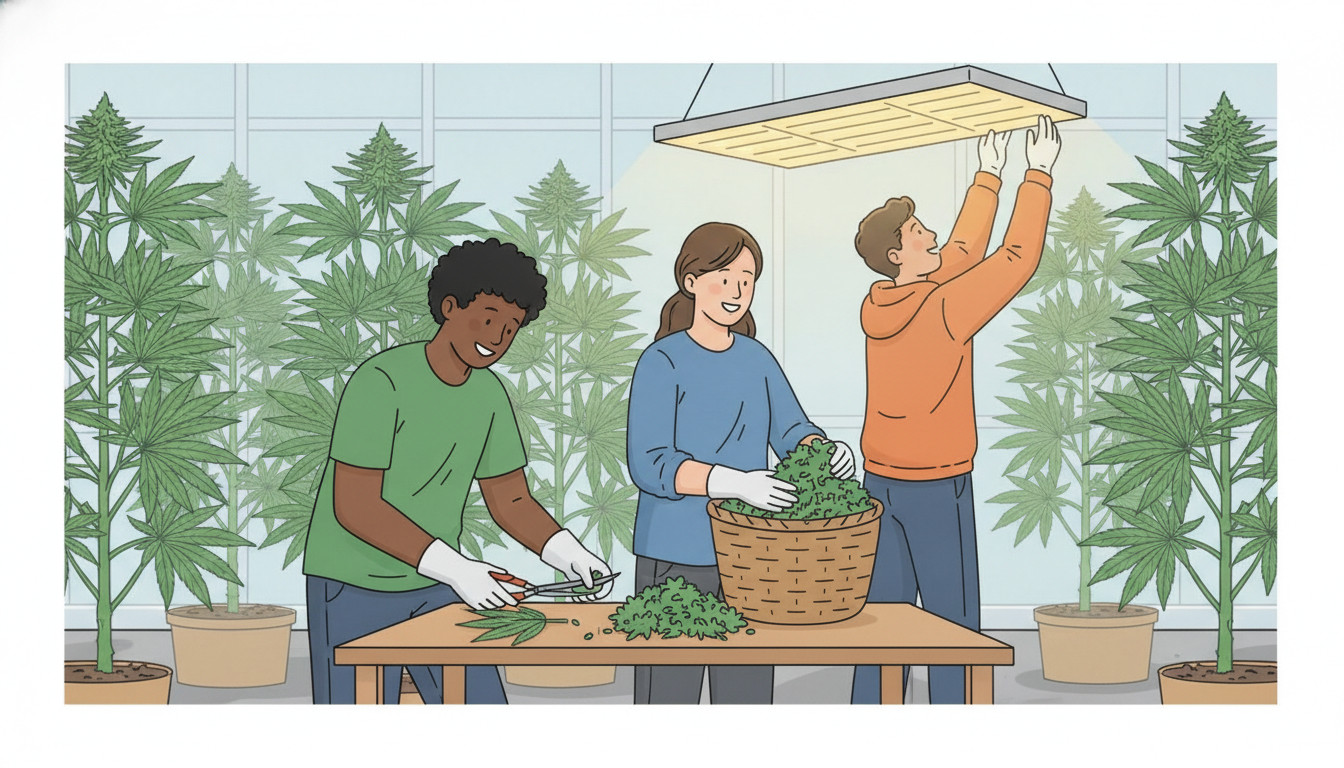
Worker classification quick reference
Quick reference table summarizing rights and NLRB status for common roles in regulated cannabis operations. Links point to the official case and local vote coverage for details.
| Worker Type | Union Rights | Legal Protections | NLRB Status |
|---|---|---|---|
| Cultivation and trimming | Eligible for NLRB elections | Covered by the NLRA | Board found these are not agricultural laborers; NLRB decision (14‑RC‑325871) |
| Post harvest and processing | Eligible to unionize | Protected from unfair labor practices | Included in the certified unit; majority voted for representation; Labor Tribune coverage |
| Infusion and manufacturing | Can seek certification | NLRA protections apply to manufacturing roles | Employer exclusion claim rejected in the decision |
| METRC specialists | May be included in bargaining units | Compliance focused role but still NLRA-covered | Treated as unit members in the case |
Footnote: Case citation 14‑RC‑325871, NLRB opinion.
CONCLUSION
The NLRB decision marks a clear moment for cannabis labor rights. Workers in cultivation and processing now have firmer legal footing to organize. Employers must adapt policies and prepare to bargain in good faith. Consequently, human resources and legal teams will face new compliance demands.
This ruling reduces uncertainty about classifications that once limited unionization. As a result, organizers can cite this case when they seek votes and protections. However, outcomes will vary by workplace, so workers should document job duties and seek legal counsel when needed. For employers, proactive engagement can reduce conflict and speed negotiated agreements.
In short, NLRB rules cannabis workers can unionize; rejects agricultural worker designation. Labor advocates and unions will watch for similar rulings across other jurisdictions. For now, employees should use this ruling to discuss collective bargaining goals and document workplace issues. Stay informed as labor law and cannabis policy evolve, because follow up cases could refine this precedent. For ongoing, research driven coverage visit mycbdadvisor.com.
Frequently Asked Questions (FAQs)
Can cannabis workers unionize?
Yes. The NLRB rules cannabis workers can unionize; rejects agricultural worker designation. It held cultivation and processing staff fall under National Labor Relations Act protections and can seek certification. Therefore, unionize cannabis workers efforts now have clearer legal footing.
Does the NLRB treat cannabis workers as agricultural laborers?
No. The Board found none of the disputed classifications are agricultural laborers under the secondary definition of agriculture. As a result, employers cannot rely on that exclusion to deny NLRA rights.
What protections do cannabis workers have now?
Workers have rights to organize, petition for NLRB elections, and challenge unfair labor practices. They can bargain for wages, safety, scheduling, and benefits. However, protections depend on specific job duties and how bargaining units are defined. This strengthens cannabis labor rights in regulated workplaces.
How do employees begin to unionize cannabis workers?
Start by building majority support among colleagues, then contact a union for guidance. Next, document job duties, collect authorization cards, and file with the NLRB to request an election. Seek legal advice quickly if the employer interferes.
How should employers respond?
Employers should review classifications, update handbooks, and train managers on lawful responses. They should prepare to bargain in good faith and consult labor counsel. Proactive engagement can reduce conflict and protect business operations.
Related on CBD Advisor
- Labor protections for cannabis cultivation workers in New Jersey
- How Kyrgyzstan hemp cultivation prospects reshape regional textiles
- Will Texans’ right to hemp survive DSHS rules