Introduction
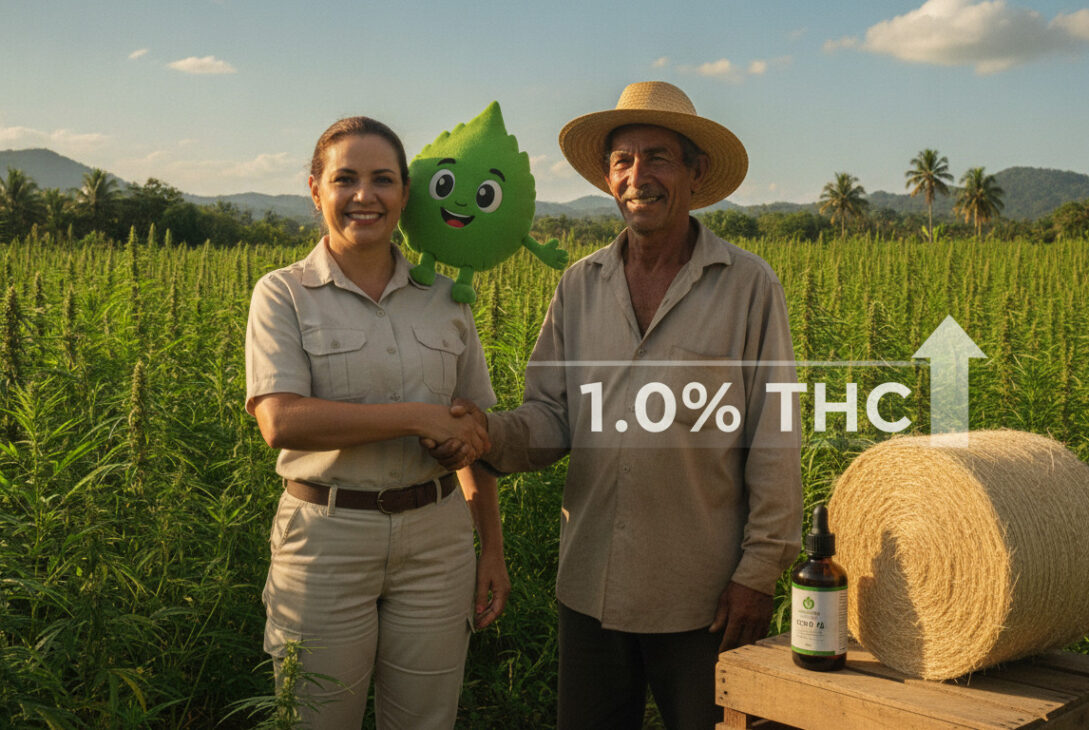
A proposed shift to a 1.0% in-field THC ceiling creates a clear problem: Brazil’s 0.3% standard can be unrealistic for tropical hemp cultivation. This matters because higher THC expression can turn otherwise compliant hemp into out-of-limit cannabis, increasing crop loss and legal risk.
Embrapa, HempTech Brasil and the Ficus Institute authored Technical Note No. 01/2026. They argue that photoperiod and tropical climate conditions raise THC in hemp, so thresholds should reflect agronomy rather than temperate benchmarks. See the Technical Note No. 01/2026 for the full advisory and the Embrapa analysis for broader context.
If adopted, a 1.0% ceiling would widen access to CBD-rich genetics and could strengthen Brazil’s medical CBD supply chain. Regulators will need to balance public health safeguards with international trade norms. The change also affects fiber and grain production rules. Exporters must weigh competitiveness and compliance, so farmers, processors and regulators should track the debate closely.
- Agronomic rationale and evidence, plus Technical Note No. 01/2026
- Market effects and regulatory steps for growers, processors and exporters
Brazilian hemp: 1.0% THC limit for industrial hemp
Brazilian hemp: 1.0% THC limit for industrial hemp would raise the in-field THC threshold from 0.3% to 1.0%. This change would expand access to CBD-rich genetics and ease tropical cultivation. It also affects medical CBD supply chains and export compliance.
THC limits by country
This table compares common international THC thresholds, testing approaches, and quick notes for market compliance, cultivar choice, and export risk. For authoritative detail see the USDA FAQ, the EU notice on import thresholds, and Canada regulations.
| Country | THC limit | Legal notes | Testing & Notes |
|---|---|---|---|
| Brazil | 0.3% current; proposed 1.0% | Current 0.3% for medical/scientific; Technical Note proposes 1.0% for tropical agronomy | In-field sampling; align Anvisa licensing |
| United States | 0.3% | Hemp defined as ≤0.3% delta-9 THC (dry weight) | Post-decarboxylation total-THC testing |
| Canada | 0.3% | 0.3% limit in flowering parts; licensed cultivars | Provincial licensing; accredited labs |
| European Union | 0.3% | 0.3% agricultural/import threshold for hemp varieties | Member-state product rules; import checks |
| Australia | 1.0% | Food standards allow ≤1% in leaves and heads; state cultivation rules apply | State permits; variable product limits |
| China | Variable | Industrial hemp permitted in pilot zones; psychoactive cannabis prohibited | Provincial rules; strict controls on flower |
| India | Variable | Cannabis broadly prohibited federally; some states permit licensed hemp pilots | Regulatory patchwork; state-level THC limits possible |
Sources: USDA FAQ, EU notice on import thresholds, Canada regulations
Conclusion
Understanding Brazilian hemp: 1.0% THC limit for industrial hemp is essential for growers, processors, and regulators. The proposed 1.0% ceiling could unlock CBD-rich genetics and reduce crop loss in tropical regions. This matters because THC expression rises near the equator. Therefore stakeholders must update seed selection, testing and traceability to manage compliance.
Key takeaways include potential market growth for medical CBD, closer alignment with regional standards, and stronger farm viability. However, exporters will need layered strategies because international buyers still demand low-THC products. Stay informed and use resources like MyCBDAdvisor for market intelligence and compliance updates. Policy updates are imminent.
Frequently Asked Questions (FAQs)
What is Brazilian hemp: 1.0% THC limit for industrial hemp?
The term refers to a proposed rule raising the in-field THC ceiling from 0.3% to 1.0% and ties into licensing and authorization under Anvisa RDC frameworks. Supporters say the change matches tropical agronomy while regulators must update monitoring and licenses. See THC limits explained for testing details and consult the RDCs on cannabis cultivation for regulatory context.
How would a 1.0% limit affect growers?
Farmers would face lower crop-failure risk and wider access to CBD genetics while needing stronger farm recordkeeping under industrial hemp regulation Brazil. Producers must adjust seed selection and harvest timing to manage cannabinoid curves and traceability. See Cannabis sativa cultivation study for agronomic detail.
Will a 1.0% limit change export opportunities?
A higher domestic threshold could expand local CBD supply but exporters still must meet buyers’ limits and international hemp export compliance standards. Market access will depend on product specifications, testing methods, and destination rules. See THC limits by country for an international comparison and testing implications.
What will compliance and testing look like under 1.0%?
Testing will require clear sampling methods, accredited labs, and documented chain of custody consistent with Anvisa RDC procedures. Regulators will likely set harvest windows, retest protocols, and traceability obligations for licensed producers. See THC limits explained for sampling and lab details.
What should entrepreneurs and new producers do now?
Start with trial plots, document cannabinoid profiles, and build traceability systems to meet industrial hemp regulation Brazil and future licensing requirements. Engage breeders and regulators early and invest in harvest timing research to reduce legal and commercial risk. See Impact on industry for hands-on steps and compliance checklists.
Related on CBD Advisor
- EU hemp THC threshold increase to 1%—what next
- New Zealand hemp regulation reform with 1.0% THC limit
- Understand Federal Regulations on Delta 9 THC Products Today