Introduction
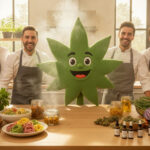
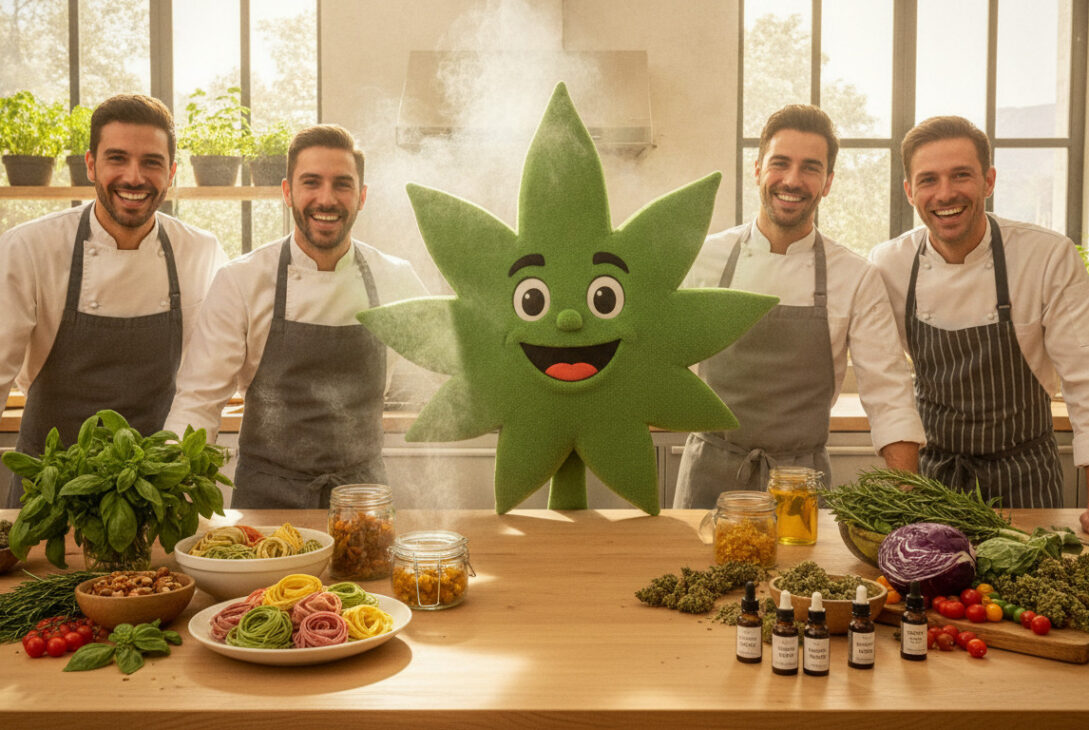
Cannabis cuisine and aroma-driven cannabis cooking meet precision and flavor in modern kitchens.
Cannabis cuisine is moving from curiosity to culinary craft in kitchens worldwide, as chefs and home cooks pair terpenes with fresh ingredients and aroma-driven infusions. This trend mixes creativity with science and invites both joy and careful study, while dosing and delivery affect safety and flavor. You will learn to measure milligrams precisely, choose the right vehicle and fat for extraction, set infusion times based on potency, and use aroma-first techniques so dishes taste balanced and therapeutic.
Jerry Chu — signature Pesto Alfredo with infused chicken and cream, served in small portions to keep dosing approachable. He recommends about 5 mg THC per serving for social meals and pairs basil-forward pesto with pine and citrus terpenes for balance.
Vanessa Lavorato — known for lab-tested infused recipes like hamachi crudo and savory meatballs, she advocates ethical low dosing. Vanessa suggests 2.5 to 5 mg THC per serving for shared plates and matches floral or citrus terpenes to bright seafood and herb-forward dishes; see her cookbook profile for more on measured dosing and testing practices here.
Danielle Russell — the longtime medicinal edibles chef behind savory, dosing-friendly creations such as herbal meatballs. Her practical tip is to favor CBD-forward microdoses around 5 mg per serving for therapeutic dishes, and she pairs earthy caryophyllene or myrcene with rosemary and black pepper for depth.
Max Buechse — creator of tested dosing recipes and a public THC dosing calculator, he favors consistent 5 to 10 mg servings for approachable edibles. He recommends finishing burgers and hearty mains with citrus or pinene-rich concentrates and documents dosing tools and recipes on his site here.
Aroma matters, and scientific reviews show terpenes shape flavor and pairing choices; learn more about aroma-driven selection in the cannabis aroma research review: here.
Read on for practical dosing tips and aroma-driven recipes that treat cannabis like an enhancer not an invader, and learn when to start low.
What is cannabis cuisine?
Cannabis cuisine is the practice of preparing food infused with cannabinoids and terpenes. It includes cannabis edibles like tinctures, butters, and baked goods. By using careful dosing and clean extraction, cooking with cannabis becomes safe and flavorful. Chefs focus on aroma and balance to make cannabis an enhancer, not an invader.
Mechanism & Evidence
Cannabinoids like THC and CBD interact with the endocannabinoid system by binding to cannabinoid receptors, modulating pain perception, inflammation, mood, and appetite consensus report on health effects of cannabis JAMA systematic review of cannabinoids for medical use. Research reviews report evidence for chronic pain relief and antiemetic effects in certain clinical contexts, although study quality and effect size vary across conditions consensus report on health effects of cannabis JAMA systematic review of cannabinoids for medical use.
Clinical-strength vs Emerging Benefits
Clinical-strength benefits include chronic pain reduction and decreased chemotherapy-related nausea, which have stronger support in systematic reviews and consensus evaluations consensus report on health effects of cannabis JAMA systematic review of cannabinoids for medical use. Emerging benefits such as improved sleep, anxiety reduction, and appetite stimulation show variable evidence and often depend on dose, formulation, and individual response consensus report on health effects of cannabis JAMA systematic review of cannabinoids for medical use.
This information is educational and not a substitute for professional medical advice. Consult a qualified healthcare provider for personalized guidance before using cannabis for medical purposes.
Practical notes
- Use clean extraction methods and organic ingredients to preserve therapeutic qualities and avoid processed additives. Also calculate milligrams carefully so effects are predictable for diners.
- Decarboxylate gently and infuse fats at low heat to maximize cannabinoid activation while preserving terpenes. For dosing control, label servings clearly and start low then increase slowly.
- Dosing calculation example and template for clarity: For 10 percent THC flower, compute total THC as grams of flower × 1000 mg per gram × potency fraction. Example math for 1 gram at 10 percent: 1 g × 1000 mg/g × 0.10 = 100 mg THC total. If you divide that infusion into 10 equal servings: 100 mg ÷ 10 servings = 10 mg THC per serving.
- Milligrams per serving template: Total mg THC = grams of flower × 1000 × potency percent as a decimal. Milligrams per serving = total mg THC ÷ number of servings. This provides a reproducible way to label and dose homemade edibles.
Cannabis Cuisine Cooking Tips
- Measure potency and calculate milligrams before you cook. Use lab results or an online dosing calculator to get reliable mg figures for your material, for example Leafly’s edible dosing resource Leafly’s edible dosing resource. Quick example: 1 gram of flower at 20% THC contains 1000 mg times 0.20 which equals 200 mg total; divided into 10 servings that yields 20 mg per serving.
- Decarboxylate and infuse with temperature control to protect cannabinoids and terpenes. Aim for roughly 220 to 240°F for 30 to 45 minutes when decarbing, and keep infusion temperatures under about 200°F for gentle extraction, as described in this decarboxylation guide Leafly’s decarboxylation guide. Handle hot oils safely, use an oven thermometer, ventilate the workspace, and keep heated equipment away from children.
- Match terpenes with fresh ingredients using aroma first pairings. Think citrus brightening pinene rich strains and herbal notes that pair with rosemary or basil to keep dishes nuanced rather than overwhelmed.
- Start low and label every portion clearly. Offer small test portions, state mg per serving on each package, and advise waiting at least two hours before increasing dose so digestion timing is respected.
- Use clean carriers and show the math in recipes. For example, 1 cup butter infused with 7 grams of flower at 20 percent potency contains about 1400 mg THC before conversion. Using a conversion efficiency around 88 percent gives roughly 1232 mg available, which divided by 16 tablespoons is about 77 mg per tablespoon; see a cannabutter method for details and efficiency assumptions Leafly’s cannabutter method.
- Explore advanced methods once you master basics. Try tinctures or live rosin finishes for microdoses, keep records of potency and effects, and refine techniques over time to preserve aroma and consistent dosing.
Popular Cannabis Cuisine Methods Compared
This table helps readers and search engines quickly match common infusion and pairing methods to flavor impact, terpene retention, temperature guidance, and typical dosing use cases.
| Method | Ease of use | Flavor impact | Temp or terpene notes | Potency control | Typical applications |
|---|---|---|---|---|---|
| Fat infusion (butter or oil) | Easy | Retains and complements food flavors | Keep infusion under 200°F (93°C); low-heat long infusions (120–190°F) preserve terpenes and optimize lipid extraction | Good when you calculate mg precisely | Sauces, baking, sautéed dishes |
| Decarboxylation (activation step) | Moderate and necessary | Preserves terpenes when done low and slow | 220–240°F (104–116°C) for 30–45 minutes to activate THCA while reducing degradation | Essential for predictable potency | Prepares flower for infusions and edibles |
| Tincturing (alcohol or glycerin) | Moderate | Neutral to herbal; retains many aromatics | Room temperature maceration or cold extraction preserves volatile terpenes; glycerin tinctures suit microdosing and shelf stability | Very precise with dropper dosing | Drinks, dressings, microdoses |
| Vaporizing (inhalation, pairing use) | Easy to moderate | Preserves terpene profile and aroma | Use vaporizer temperatures that avoid combustion; vapor ranges often 330–430°F depending on terpene and cannabinoid targets | High immediate dose control | Direct inhalation and aroma-pairing |
| Live rosin finishing (concentrate garnish) | Advanced | Bright, concentrated terpene flavors best used as a finishing touch | Apply cold or at very low heat to retain volatile terpenes; ideal as a cold finish or light drizzle | Variable; best for small, measured amounts | Finishing oils, garnishes, small-batch dishes |
| Microdosing methods (tinctures/glycerin) | Easy to moderate | Minimal flavor disruption and controlled aroma | Store cool; dose at room temperature to preserve stability and aromatics | Best for precise low-dose control | Microdosing, sublingual use, gradual titration |
Recommended temperatures and terpene-retention practices draw on extraction studies and decarboxylation guidance for culinary use and safety oil extraction study, decarboxylation temperature guidance.
Choose a method based on whether you prioritize aroma, a long-simmered infusion, or precise microdosing. For example, infusion suits long-cooked dishes while tinctures and glycerin extracts work best for low-dose, controlled servings.
Cannabis Cuisine Conclusion
Cannabis cuisine has moved into mainstream home cooking, and interest keeps rising. Because people seek both flavor and wellness, cooks pair terpenes with clean ingredients and precise dosing. As a result, infused dishes can offer real CBD benefits and cannabinoid wellness when prepared responsibly.
Practical tips matter, so measure milligrams and decarboxylate gently for predictable effects. Also choose healthy carriers like olive oil or live rosin and avoid processed sugar and industrial additives. Several chefs in this piece show how aroma-first techniques make cannabis an enhancer, not an invader.
Explore cannabis cuisine with curiosity and care, and therefore start low and go slow to find your sweet spot. For more recipes, dosing guides, and culinary profiles visit My CBD Advisor.
Frequently Asked Questions (FAQs)
Are cannabis edibles safe to eat?
Cannabis edibles can be safe when prepared and dosed correctly. Start low and go slow, because digestion delays onset and increases effect duration. Also label portions clearly, and therefore keep edibles away from children or pets. If you have health conditions, consult a healthcare provider first.
How do I calculate the right dose?
Measure potency using lab results or a trusted calculator for accurate milligrams per serving. For example, a joint’s worth of flower is often enough to begin, but calculate mg before you eat. Start with a low dose and wait at least two hours before increasing. This step prevents accidental overconsumption.
How long do effects take and how long do they last?
Edible effects usually begin 30 minutes to two hours after eating. Because digestion varies, peak effects can take longer for some people. Effects often last four to eight hours, and sometimes longer. Plan your schedule and dose accordingly.
Is cannabis cuisine legal where I live?
Legal status varies by location, so check local laws for cannabis edibles and home infusion rules. Also note that possession limits and public consumption rules differ between states and countries. When in doubt, consult official local guidance to stay compliant.
Will cooking change the health benefits of cannabinoids?
Cooking can preserve cannabinoid wellness when you use clean extraction and proper temperatures. Avoid processed sugars and industrial additives because they can blunt therapeutic effects. Instead use healthy carriers like olive oil or butter, and therefore focus on aroma and balance for therapeutic dishes.
Related on CBD Advisor
- What makes cannabis cuisine both gourmet and safe
- Can cannabis-infused poke transform weeknight dinners
- What Is Psychedelicatessen Doing to Cannabis in Art