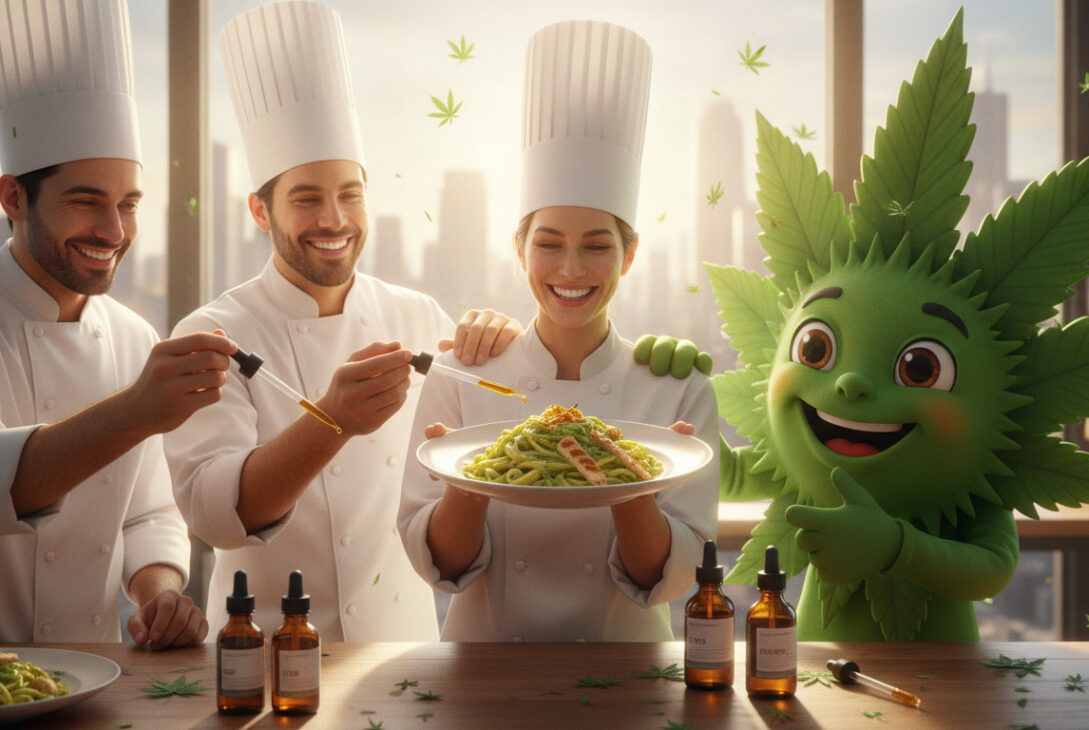
Cannabis cuisine awakens the senses with herbaceous aromas, bright citrus terpenes, and a warm, savory finish. Because chefs use whole plant terpenes and careful infusions, each bite smells like a garden and tastes layered. Textures shift from velvet sauces to crisped edges, and every mouthful feels celebratory.
This food sits at the intersection of gastronomy and wellness. Therefore flavor and effect both matter, and chefs design dishes to balance herbs and cannabinoids. Because digestion is slow, you must dose carefully and wait before adding more.
Over the rest of this article you will meet chefs who use live rosin, infused oils, and classic technique. Also we will share practical rules for dosing, pairing, and avoiding processed sugar and industrial chemicals. By the end you will know how to cook responsibly, taste deeply, and enjoy cannabis cuisine beyond brownies. Moreover we highlight signature dishes and chef tips for aroma driven pairing.
What is cannabis cuisine?
Cannabis cuisine uses cannabis flower, concentrates, or cannabinoids as culinary ingredients to make flavorful and therapeutic dishes and drinks. Chefs focus on aroma, dosing, and pairing so flavor, digestion, and wellbeing stay balanced. However, start low and go slow because dose matters and effects appear slowly. It blends gastronomy with wellness.
History and Cultural Rise of Cannabis Cuisine
Cannabis cuisine traces back centuries, when people used hemp and cannabis in food for medicine and ritual. Because cooks in South Asia and the Middle East made early edibles like bhang, the plant entered regional foodways long ago. Moreover, 20th century prohibition pushed those traditions underground, then counterculture chefs revived them.
Early culinary uses
- Ancient and medieval preparations such as bhang and infused drinks served social and healing roles.
- In the 1800s some Western apothecaries sold cannabis extracts for medical use.
- During prohibition the knowledge survived in subcultures and home kitchens.
Modern milestones and legalization impacts
Legalization in parts of North America and Europe caused rapid change. For example, retail markets increased access to edible cannabis and infused products. As a result, more chefs moved from novelty pot brownies to refined, aroma driven dishes. For a look at chefs who link food and wellness see this culinary cannabis and wellness resource culinary cannabis and wellness resource.
A recent study shows edible and drinkable cannabis rose sharply after retail legalization, shifting consumption patterns toward infused food culture. Read the research on changing edible use trends changing edible use trends.
Evolving consumer attitudes
Today consumers expect clean ingredients, clear dosing, and chef driven flavor. Therefore artisanal infusions such as live rosin and delta 9 cooking oils gained popularity, and product education improved. For practical infusion options and cooking oils see delta 9 cooking oils for infusions.
Public health research also highlights safety and labeling concerns, so edible cannabis regulation now emphasizes accurate dose information and childproof packaging. For historical context on attitudes and policy change, consult this review of shifting cannabis views shifting cannabis views.
Together, these trends turned cannabis food culture from fringe to mainstream. Because flavor, dosing, and safety matter, chefs and consumers now shape a culinary movement built on respect for the plant.
Cannabis Cuisine: Health Benefits and Risks
Cannabis cuisine can offer therapeutic value when chefs use cannabinoids thoughtfully. Because cannabinoids interact with the endocannabinoid system, infused dishes may relieve pain, reduce anxiety, and stimulate appetite. However, benefits depend on dose, cannabinoid profile, and individual biology.
Potential therapeutic benefits
- Pain relief. THC and CBD may reduce chronic pain and inflammation, helping savory and comforting dishes support symptom relief. See clinical overview here.
- Anxiety reduction. Low doses of CBD and balanced THC can ease anxiety for some people, but responses vary.
- Appetite stimulation and nausea control. THC often boosts appetite and reduces nausea, useful for patients with medical needs.
- Sleep and relaxation. Edible cannabinoids can help with sleep when timed and dosed correctly.
- Anti-inflammatory support. CBD shows anti-inflammatory effects in studies, which may complement whole food nutrition.
Risks and precautions
- Dose uncertainty. Edibles delay onset and last longer, so overconsumption is common and unpleasant.
- Delayed effects. Because digestion slows absorption, wait at least two hours before re-dosing.
- Drug interactions. Cannabis can alter the metabolism of prescription drugs via liver enzymes; consult your clinician.
- Vulnerable populations. Avoid use during pregnancy, breastfeeding, adolescence, or with cardiac risk.
- Product safety and labeling. Unregulated products may contain contaminants or inaccurate potency claims. For public health guidance, consult here.
- Legal and regulatory variation. Laws and labeling standards differ by jurisdiction; follow local rules.
Start low, go slow, and calculate your milligrams before you eat. Also consult a medical professional when treating health conditions.
Cannabis Cuisine Preparation: Key Techniques and Tips
Cannabis cuisine rewards careful technique and clear dosing. Because cannabinoids react to heat and fat, simple method changes protect potency and improve flavor. Below are practical steps for home cooks who want safe, tasty infused dishes.
- Decarboxylate flower before infusing oils or butter.
- Calculate total milligrams and portion doses accurately.
- Infuse fats slowly over low heat to preserve terpenes.
- Balance flavors with acid, salt, and aromatics to mask green notes.
- Use gentle cooking methods when adding concentrates to finished dishes.
- Label, store, and portion leftovers for consistent dosing.
Decarboxylation tips
- Preheat your oven and heat cannabis at moderate temperatures to activate cannabinoids without burning them.
- Because time and temperature matter, use a thermometer and follow a trusted decarboxylation chart.
Dosing and safety
- Measure total THC and CBD before you cook, and then divide into servings.
- Therefore start low and go slow; wait two hours before re-dosing because edibles act slowly.
- For clinical guidance on edible safety and delayed onset, consult public health resources here.
Flavor and cooking methods
- Use neutral fats like clarified butter or olive oil for even infusion.
- Also add bright acids and toasted nuts to round cannabis notes.
- Finally, avoid high heat once cannabinoids are active to keep potency stable.
Comparison of Popular Cannabis-Infused Food Types
Cannabis cuisine at a glance
This table compares common edible formats used in cannabis cuisine. It highlights flavor, onset, duration, typical dose, and common effects.
| Food type | Flavor profile | Onset time | Duration | Typical dosage (THC) | Common effects |
|---|---|---|---|---|---|
| Baked goods like cookies and brownies | Sweet, rich, often mask green notes | 30 to 120 minutes | 4 to 8 hours | 5 to 10 mg per serving common | Relaxation, euphoria, increased appetite |
| Beverages including infused teas and nanoemulsions | Light, herbal or citrus, can be bright | 15 to 45 minutes (nanoemulsions faster) | 2 to 6 hours | 2.5 to 10 mg per serving | Mild mood lift, gentle relaxation, social ease |
| Tinctures taken sublingually or added to food | Neutral to botanical, flexible dosing | 15 to 45 minutes sublingual | 2 to 4 hours | 2.5 to 20 mg depending on use | Fast relief, anxiety reduction, symptomatic control |
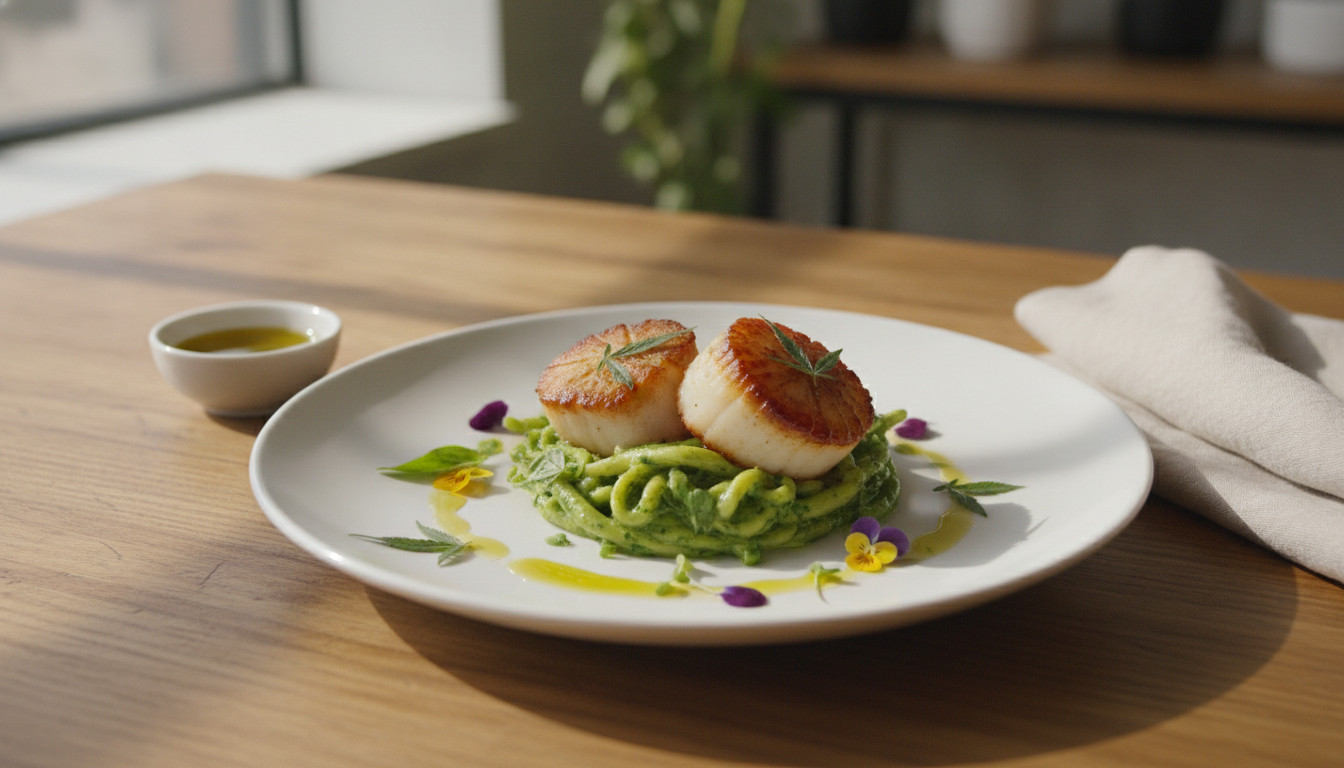
| Savory dishes such as infused sauces and mains | Umami, herbaceous, aroma driven | 30 to 120 minutes | 4 to 8 hours | 2.5 to 10 mg per serving | Pain relief, appetite stimulation, deep relaxation |
Use this table to choose a format that fits your taste, timing, and dosing goals.
CONCLUSION
Cannabis cuisine has moved from fringe novelty to a respected culinary and wellness practice. It blends flavor-focused gastronomy with targeted cannabinoid use, and chefs now prioritize aroma, clean ingredients, and precise dosing. As a result diners enjoy layered taste and potential therapeutic benefits when meals are made responsibly.
However safety and science must guide practice. Therefore always calculate milligrams, start low, go slow, and consult a healthcare provider when using cannabis for symptoms. Also choose whole foods and avoid heavy processed sugar so the plant’s properties remain effective.
Explore recipes, chef interviews, and dosing guides at My CBD Advisor to learn more. Cook with respect, taste with care, and enjoy cannabis cuisine responsibly.
Frequently Asked Questions (FAQs)
Is cannabis cuisine legal where I live?
Laws for cannabis cuisine vary by country and state. Therefore check local regulations before buying or cooking infused products. If you plan to purchase commercial edibles, buy from licensed retailers and follow label rules. Also note medical cannabis rules often differ from recreational rules.
How do I dose cannabis cuisine safely?
Start low and go slow because edibles act slowly and last long. First calculate total milligrams in your recipe, then divide into equal servings. Wait at least two hours before re-dosing, and adjust slowly over days. If you take prescription drugs, consult your clinician about possible interactions.
When will I feel effects and how long will they last?
Edible absorption varies with stomach contents and metabolism, so onset is usually 30 to 120 minutes. For sublingual tinctures onset is faster, often within 15 to 45 minutes. Effects can last from two up to eight hours, depending on dose and format. Because timing varies, plan dosing around your schedule.
What preparation steps matter most for home cooks?
Decarboxylation is essential because it activates cannabinoids before infusion. Also infuse fats slowly and avoid high heat after activation to protect potency. Therefore measure potency and label servings to ensure consistent dosing. For guidance on cannabinoids and clinical context see NCBI Books.
Can cannabis cuisine offer real health benefits?
Cannabis cuisine can provide symptom relief for pain, nausea, and appetite loss in some people. However effects depend on cannabinoid type and dose, and evidence quality varies. Because individual responses differ, use cannabis as part of a broader care plan. Also discuss medical use with a healthcare professional before relying on edibles.