Tamara Anderson and Culinary & Cannabis blend culinary artistry with compassionate cannabis care to reshape wellness events. She stages luxury cannabis spaces using soft lighting, curated menus, and scent-driven design to soothe guests immediately. Imagine satin pillows, warm herbal infusions, and chefs preparing herb-forward bites that calm both body and mind. Her gatherings welcome the canna-curious while centering trauma-informed healing, clinical respect, and accessible harm reduction practices. Because she pairs eleven years of healthcare administration with nursing insights, attendees feel both safe and celebrated.
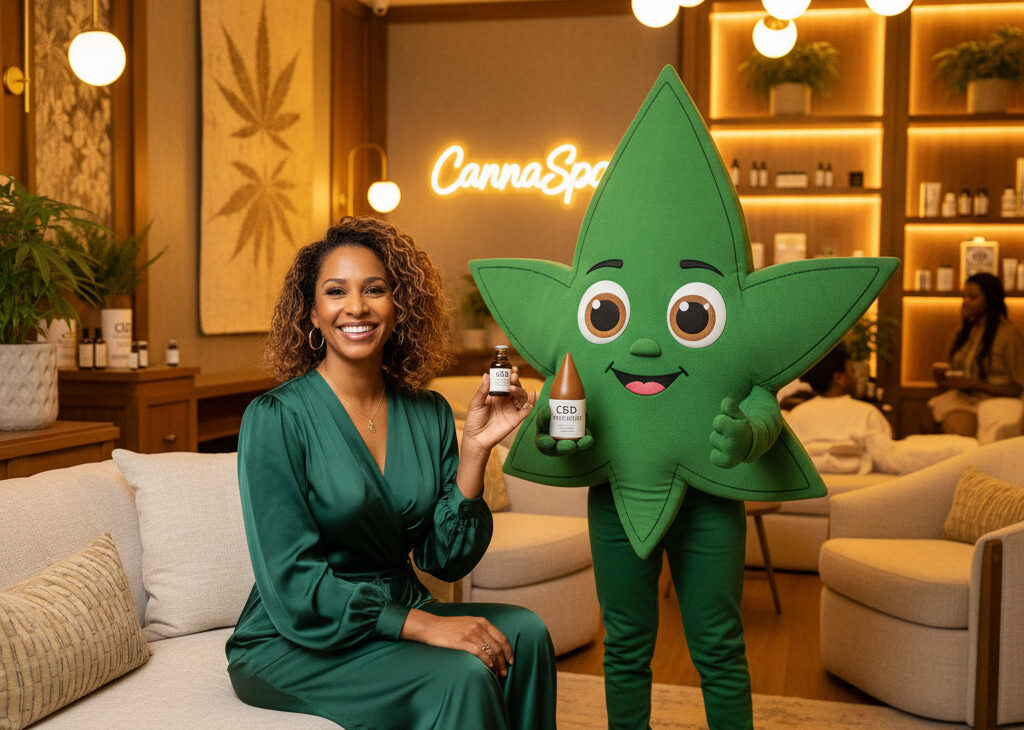
At CannaSpa Wellness Lounge, guests receive CBD massages, guided breathwork, and sensory menus from skilled practitioners. However, Anderson also confronts industry bias and builds equity programs that open doors for POC creators. She creates all-sensory interactive experiences that teach re-entry tools, trauma-aware care, and community-based healing methods. As a result, participants leave with practical wellness skills, new networks, and a renewed sense of belonging. This introduction invites you to explore how Tamara crafts POC-centered events, scales internationally, and rewrites cannabis hospitality.
Tamara Anderson and Culinary & Cannabis: A New Recipe for Wellness
Tamara Anderson blends clinical care with culinary craft to reimagine cannabis hospitality. Because she trained in healthcare administration for eleven years, she brings clinical rigor to event design. However, she pairs that rigor with warmth. Her approach feels intentional and restorative rather than clinical and cold. She calls her events a hug to the community, and they act like one.
Her philosophy centers on safety, beauty, and sensory richness. For example, she stages soft lighting, curated menus, and scent-driven design to soothe guests. In addition, she emphasizes trauma-informed care and harm reduction. As a result, attendees feel held, not judged. Her nursing background and pastry training inform every menu and treatment.
Tamara Anderson and Culinary & Cannabis in Practice: Innovation and Impact
Anderson innovates through multisensory dining, luxury wellness, and equitable programming. At the CannaSpa Wellness Lounge, she combined CBD massages with guided breathwork and terpene bars. Moreover, more than 300 guests attended the Grammy Week event, which linked music, mental health, and plant medicine here. GreenState and Honeysuckle Mag also covered the lounge and its focus on POC-owned brands and community care here; here.
Bulleted highlights
- Founder of Culinary & Cannabis and creator of CannaSpa Wellness Lounge
- Eleven years in healthcare administration plus nursing training inform her methods
- Commands large rooms with trauma-informed healing and CBD massage offerings
- Shipped DIY topical kits during the pandemic to maintain care and connection
- Refuses to let industry bias bar POC chefs, brands, or guests from participation
- Expanding Culinary & Cannabis across North America, the UK, Australia, and Asia
Notable quotes and impact
Anderson says, “Clinical spaces can feel cold or intimidating.” Therefore, she stages luxury and beauty to create safety. She also states, “The space exists. The door is open. The flower is growing. It’s up to us to feed it.” Her work advances equity, normalizes canna-curious exploration, and teaches practical wellness tools. Consequently, she reshapes how hospitality and plant medicine intersect for diverse communities.
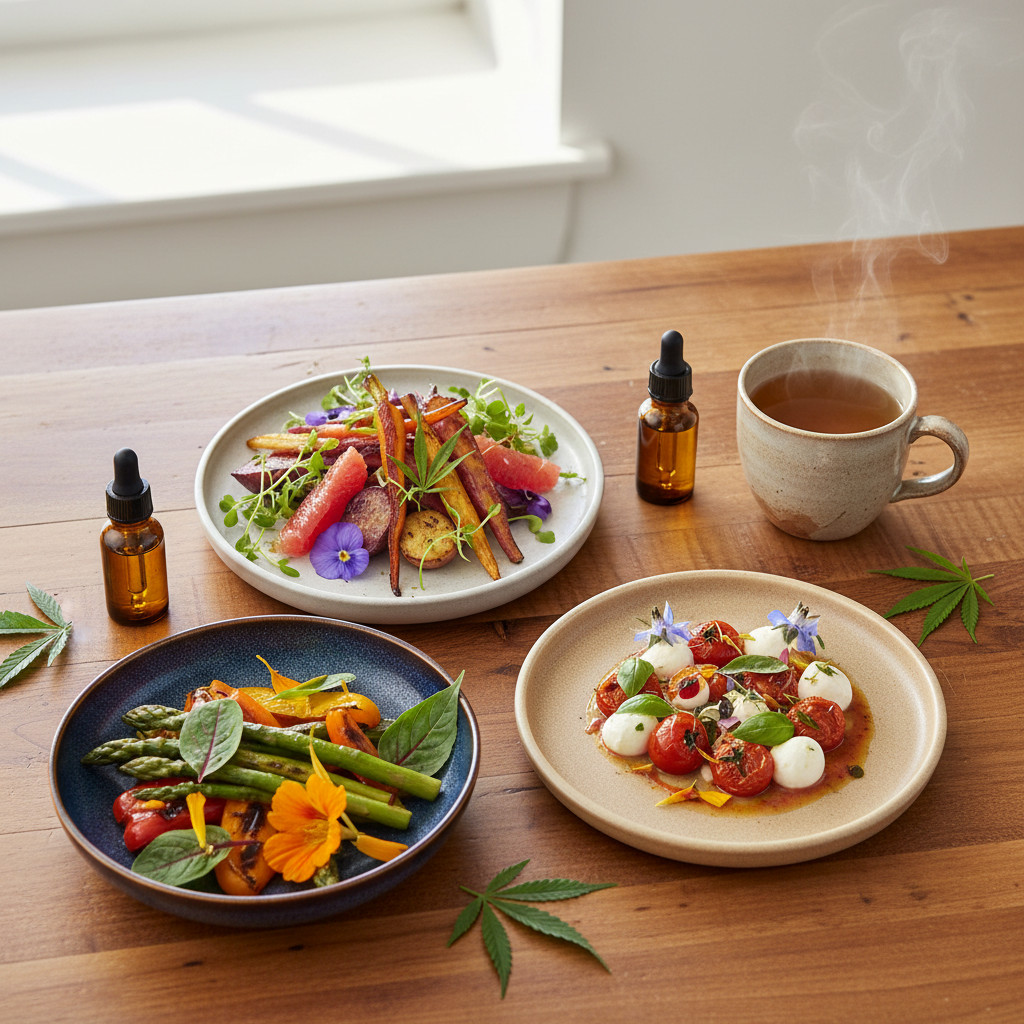
Quick comparison of popular culinary cannabis infusion methods
| Method | Description | Pros | Cons | Best uses |
|---|---|---|---|---|
| Cannabutter (infused butter) | Butter infused with decarboxylated cannabis by simmering or slow cooking. It carries cannabinoids into fat-soluble dishes. |
|
|
|
| Infused Oils (olive, coconut) | Culinary oils steeped with decarboxylated flower or concentrates. They extract cannabinoids and terpenes into fat. |
|
|
|
| Alcohol Tinctures | Alcohol or glycerin extracts made from decarboxylated cannabis. They deliver cannabinoids quickly under the tongue. |
|
|
|
| Syrups and Honey Infusions | Sugars or honey infused with cannabis for sweet applications. Heat extracts cannabinoids into the syrup medium. |
|
|
|
| Concentrate Additions (distillate, isolate) | Highly potent concentrates blended into fats or syrups. They offer potent, flavor-neutral dosing. |
|
|
|
| Slow Flower Infusion (sous-vide, low-simmer) | Long low-temperature infusions that preserve terpenes. They use decarboxylated flower in controlled heat baths. |
|
|
|
Related keywords: canna-curious, trauma-informed healing, terpene bars, luxury cannabis spaces, canna-curious culinary methods.
Current trends in cannabis cuisine and consumer interest
Interest in cannabis cuisine has grown beyond novelty into mainstream dining. Consumers now seek refined edible experiences and precise dosing. Because many guests prefer control, microdosing is rising as a top trend. For example, Statista reports that most US edible users prefer doses around five milligrams of THC. See the Statista data for more details. As a result, chefs design small plates and tasting menus with measured effects.
Edible innovation and product experimentation
Food scientists and chefs drive edible innovation with terpene forward menus, infused beverages, and neutral concentrates. Moreover, terpene bars and multisensory pairings emphasize aroma and flavor. Brands also offer microdose tinctures for sublingual use and cocktail applications. Because concentrates can be flavor neutral, they fit seamlessly into delicate recipes. Consumers respond to clearer labeling and predictable effects.
Legal developments and market momentum
Legal change is expanding the market across regions. Therefore companies invest in beverages and low dose formats that appeal to health minded users. BDSA found that mood and effect labeling influences purchase decisions for many customers. Read BDSA predictions for more details. Consequently, product marketing now highlights terpenes and minor cannabinoids as benefits.
Tamara Anderson and Culinary & Cannabis: why this niche will grow
Tamara blends clinical care with culinary craft to meet changing demand. She stages luxury, sensory rich events that teach safe dosing and trauma aware practices. In addition, her focus on equity and POC centered programming sets a model. As edible innovation evolves, Culinary and Cannabis is poised to expand internationally. This trend shows the future of cannabis cuisine is thoughtful, accessible, and wellness oriented.
Cannabis Cuisine and Wellness
Tamara Anderson and Culinary and Cannabis have reshaped how we think about cannabis cuisine and wellness. She combines clinical care, culinary craft, and trauma-informed design to make events safe and beautiful. As a result, guests leave with practical skills, new connections, and restored confidence.
MyCBDAdvisor supports this movement by offering clear, evidence-driven content on cannabis and CBD. Visit MyCBDAdvisor for reliable guides, dosing tips, and product reviews. Moreover, MyCBDAdvisor prioritizes consumer safety and practical creativity.
Looking forward, cannabis cuisine will grow more refined and accessible. Because leaders like Tamara focus on equity, the industry will include diverse creators. Explore culinary cannabis safely, experiment thoughtfully, and enjoy its wellness potential. Join the movement and cook with care.
Frequently Asked Questions (FAQs)
What is Tamara Anderson and Culinary & Cannabis?
Tamara Anderson and Culinary & Cannabis is a hospitality and wellness brand. It blends culinary craft with trauma-informed cannabis care. In addition, it stages luxury events like CannaSpa Wellness Lounge. Because Anderson trained in healthcare administration and nursing, her work balances safety with sensory design.
How do common infusion methods differ and which is safest for beginners?
Methods differ by medium and onset. Cannabutter and infused oils work well for baked goods. Tinctures act fast under the tongue. Syrups and honeysuits suit drinks and desserts. For beginners, start with microdosed tinctures or low-dose infused syrups. Also, test a small amount and wait at least two hours before more.
How should I dose edibles and manage onset times?
Begin low and go slow. Start with 2.5 to 5 milligrams of THC. Then wait two hours to feel the full effect. Because digestion delays onset, avoid repeated dosing too soon. Likewise, label servings clearly and store edibles safely away from children.
What should I expect at a Culinary & Cannabis event?
Expect multisensory dining, guided breathwork, and trauma-aware practitioners. Guests often receive CBD massages and terpene bars. Moreover, staff will explain dosing and harm reduction. Therefore events aim to educate while creating a luxurious, safe atmosphere.
Where can I learn more about safe culinary cannabis practices?
Look for resources that value evidence and safety. Read expert guides, follow dosing charts, and attend workshops. In addition, MyCBDAdvisor offers clear content on cannabis and CBD. Finally, seek services that center equity and trauma-informed care when possible.