Hemp in Japan: history, policy, and the long game
Hemp in Japan: history, policy, and the long game traces a plant threaded through ritual, industry, and law. Across shrine ropes and morning fields, the fiber still carries meaning. However, modern policy treats hemp very differently. Because postwar laws and cultural caution recast hemp alongside psychoactive cannabis, the result is deep stigma and tight controls.
This introduction sets the scene and promises clarity. It hints at continuity, conflict, and cautious reform. Moreover, it invites readers to look beyond headlines and slogans. As a result, you will get historical depth and practical context.
What this article will cover
- A concise history of asa and shimenawa in Shinto practice
- The Cannabis Control Act and the current legal framework
- Industrial hemp uses including textiles, building materials, and zero THC CBD products
- Licensing, research pathways, and farming realities for growers
- Recent shifts toward a pharma like medical model and regional cooperation
- Cultural attitudes, stigma, and the long game for reform
Together, these sections will explain why Japan moves slowly and why patience matters. Finally, the piece highlights opportunities for makers, researchers, and policymakers.
History — Hemp in Japan: history, policy, and the long game
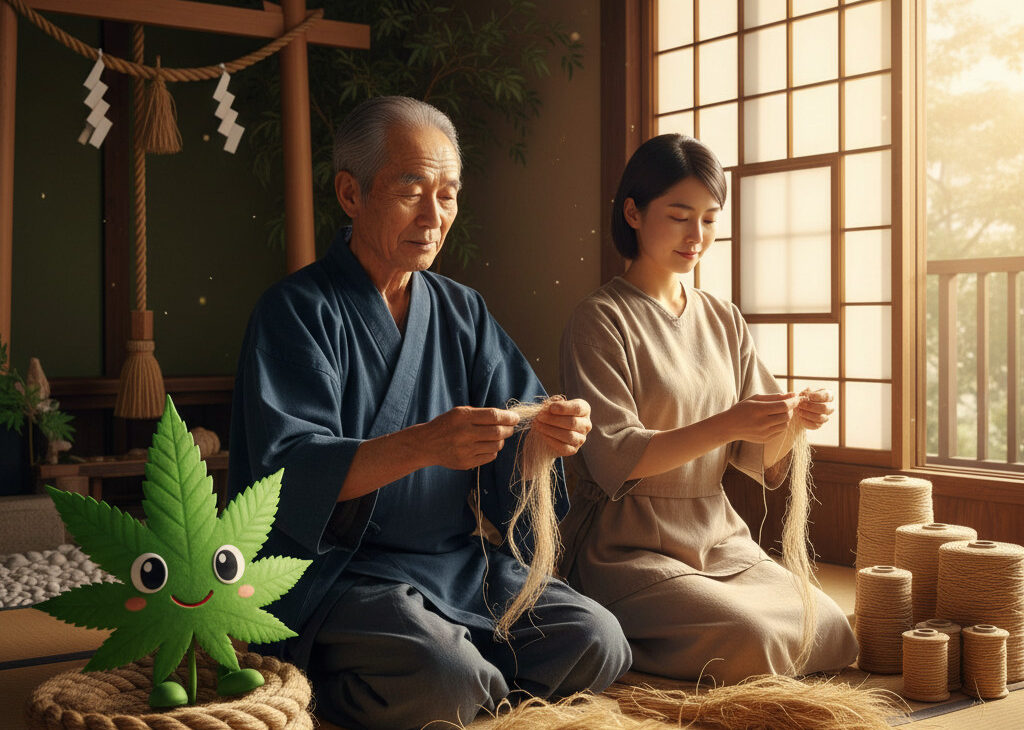
Hemp has shaped Japanese life for millennia. Archaeological work suggests asa cultivation dates back to the Jomon era. As a result, the plant entered ritual life and daily industry early. For deeper reading on ancient cultivation, see this article.
Shinto and sacred ropes
Hemp fiber appears in Shinto ritual. Shrines display thick shimenawa ropes that mark sacred spaces. Moreover, priests used hemp for purification rites. When hemp declined after World War II, artisans shifted to rice straw. Nippon.com explains this change, and the Hash Marihuana & Hemp Museum documents traditional rope-making.
Economic and social roles
Historically, hemp supplied durable fiber for clothing, nets, and ropes. It served rural economies and local craftspeople. Therefore, villages relied on hemp for goods and occasional trade. Bullet points sum the impacts:
- Fiber for textiles and household goods
- Rope and cordage for fishing and farming
- Oils and seeds used in food and industry
- Cultural goods tied to rites and festivals
Postwar shift and legal recasting
After the war, U.S. occupation reforms reshaped many laws. Consequently, Japan’s Cannabis Control Act recategorized hemp with psychoactive cannabis. For context on occupation-era policy, see the U.S. Office of the Historian. As a result, cultivation fell and stigma grew.
In short, hemp once threaded practical life and sacred practice. However, modern law disrupted that continuity. Later sections will trace policy, industry revival, and the long game for respectful reform.
Current Policies — Hemp in Japan: history, policy, and the long game
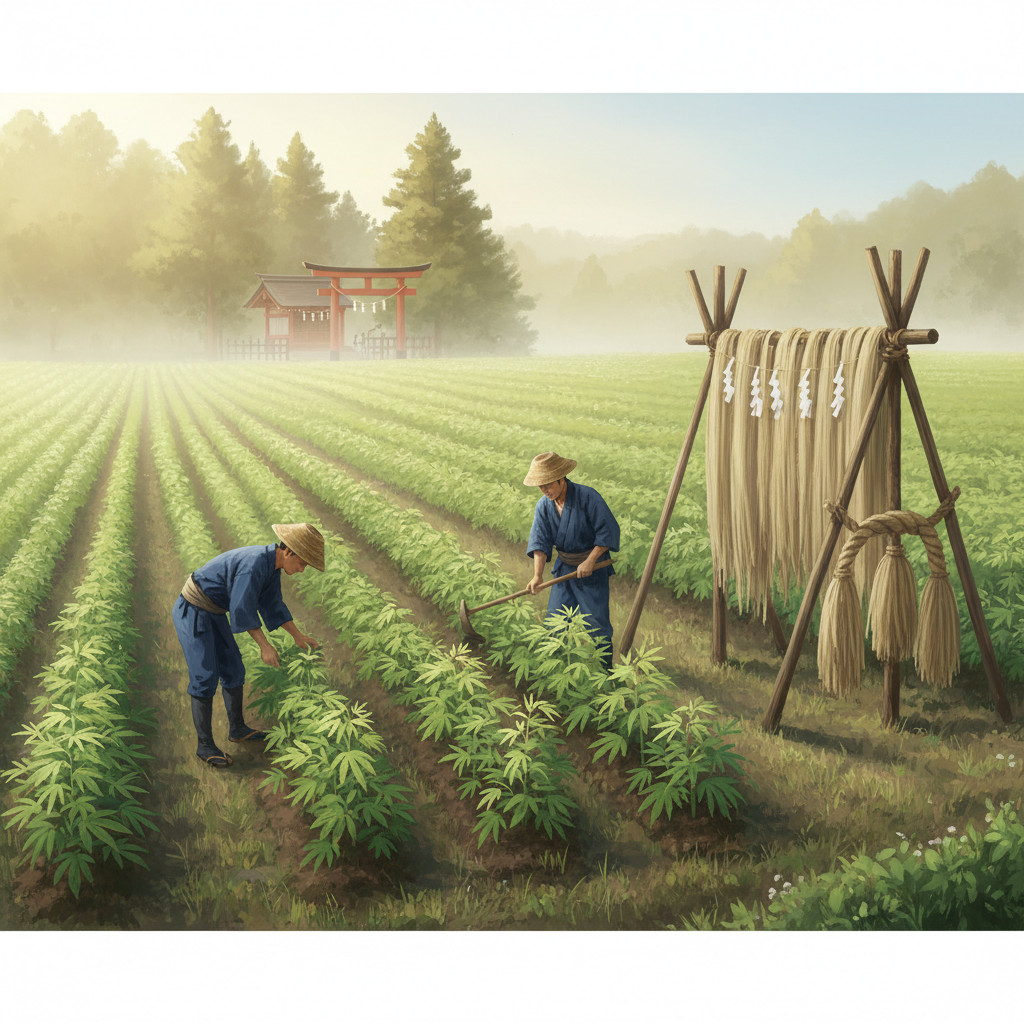
Japan’s legal approach to hemp reflects a tension between ancient practice and modern control. Because postwar laws grouped hemp with psychoactive cannabis, regulators built a strict framework that persists today. The Cannabis Control Act remains central, and the Ministry of Health, Labour and Welfare oversees enforcement and licensing.
How the rules evolved
- After World War Two, occupation-era policy helped recategorize hemp alongside marijuana. This reshaping increased stigma and tightened oversight.
- In November 2023, the Lower House passed a bill to legalize certain cannabis derived medicines, opening a path for pharmaceutical approvals while keeping recreational use banned. See the Japan Times report for details.
- In late 2024, Japan tightened penalties for marijuana use and clarified prohibitions, narrowing space for casual or commercial use. More context at Japan Times article.
The regulatory environment today
- Licensed hemp cultivation is permitted but narrow. Growers must obtain permits and follow strict oversight.
- CBD and other hemp derived products must demonstrate zero THC to be legally sold. This requirement limits product formats and testing burdens for manufacturers.
- Research pathways exist but remain constrained by licensing and compliance rules. Universities and pilot farms often face complex approval steps.
Recent developments and their impact
- The 2023 move toward a pharma like model signals opportunity for medicinal cannabinoids such as Epidiolex to find a legal route. However, approvals are rigorous and focused on clinical, pharmaceutical standards.
- The consumer market tightened further in 2026 with classifications that restrict some cannabinoid products, affecting retailers and importers.
- For farmers, licensing and testing costs reduce margins. For industry, zero THC mandates create supply chain pressure and increased lab testing.
Practical consequences
- Consumers encounter a limited retail landscape, with CBD shops like Chillaxy operating in a cautious, compliance first manner. For travelers and residents, the Ministry of Health provides resources on penalties and regulations at Ministry of Health resource.
- Policymakers emphasize a respectful, non provocative approach to growth, balancing cultural sensitivity with economic opportunity.
Overall, the policy picture is mixed. Reform opens doors for medicine and industrial uses, yet strict rules and social stigma shape a slow, careful expansion.
| Aspect | Historical policies | Current regulations |
|---|---|---|
| Legal status |
|
|
| Cultivation permissions |
|
|
| Product usage |
|
|
| Enforcement and penalties |
|
|
| Societal attitudes |
|
|
| Economic impact |
|
|
CONCLUSION
Hemp in Japan has endured as both a cultural thread and an economic resource. Historically, hemp tied communities to ritual, craft, and local trade. However, postwar legal shifts recast that past and created deep caution. Over time, policy tightened while research and industry slowly reemerged.
Today, reform follows a measured, pharma like path. As a result, licensed cultivation, zero THC rules, and clinical standards shape the market. Farmers face heavy compliance costs, and consumers see limited product choice. Yet industrial opportunities remain for textiles, building materials, and approved medicines.
For reliable guidance, MyCBDAdvisor provides clear, research driven cannabinoid knowledge. Visit MyCBDAdvisor for transparent, simple insights and practical resources. Moreover, MyCBDAdvisor aims to be a trustworthy guide for makers, clinicians, and curious readers.
In short, hemp’s long game in Japan is gradual and cautious. Therefore, long term gains will favor steady policy, credible science, and cultural respect.
Frequently Asked Questions about Hemp and CBD in Japan
Is hemp legal in Japan
Yes, but tightly regulated. The Cannabis Control Act classifies hemp alongside cannabis and bans THC. Licensed cultivation is permitted under narrow permits and strict oversight. For official rules see the Ministry of Health guidance.
What does the Cannabis Control Act mean for growers and makers
The law restricts possession and sale of THC containing products. Consequently, farmers need government permission, detailed record keeping, and mandatory testing. Manufacturers must prove zero THC in consumer goods to comply.
CBD in Japan are CBD products legal and safe
CBD can be sold if laboratories confirm zero THC. Retailers emphasize transparency. To reduce risk look for third party lab reports, clear ingredient lists, and reputable brands.
Can farmers grow hemp today what hurdles exist
Licensed cultivation is possible but costly. Common challenges include permit applications, frequent testing, and compliance expenses. Small scale growers often struggle with narrow margins.
How is medical cannabis regulated and what are research pathways
Japan favors a pharma like approach for medicines. Clinical trials and pharmaceutical approvals are prioritized. Research programs exist but require strict approvals and oversight.
Regional cooperation and industry opportunities
Local governments and industry groups are exploring niche markets for textiles, building materials, and low THC derived products. Events and pilot projects encourage regional cooperation, knowledge sharing, and gradual market development.