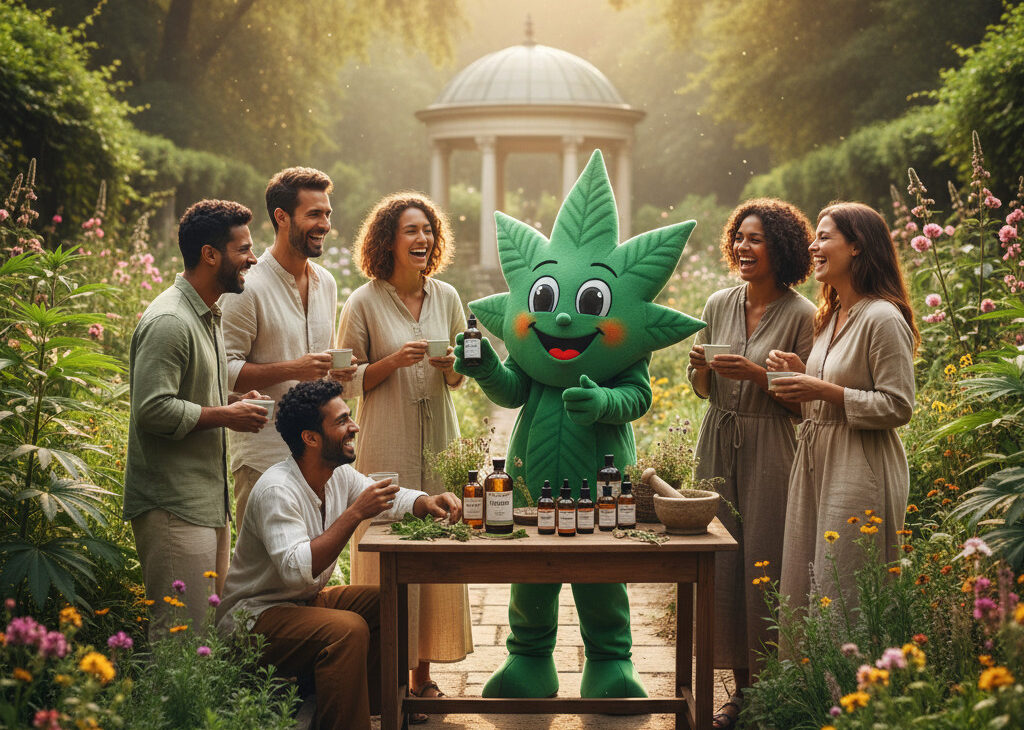
Joy Is Still a Valid Reason to Smoke Weed, and that matters.
For many of us, a small ritual of laughter, music, or shared smoke brings light. However, joy deserves a fair seat at the table alongside focus, sleep, and recovery. We will examine both feelings and data with transparency and curiosity.
- Neuroscience of the bliss molecule anandamide
- Cultural shifts after legalization
- Practical ways to include cannabis in wellness
Because joy can be therapeutic, we avoid false binaries between medicinal and recreational use. Therefore this article blends research, interviews, and personal stories. As a result, you can expect clear evidence, honest critique, and practical guidance. Read on to reclaim permission to feel good for no reason.
We also interrogate how dispensaries frame outcomes like focus and recovery. However, joy risks being sidelined if we only measure use by utility. Because cultural permission matters, we defend playfulness, laughter, and simple shared delight. Join a frank, evidence based conversation about pleasure as part of wellbeing.
Joy Is Still a Valid Reason to Smoke Weed
Joy is not a frivolous outcome. Because pleasure supports mental health, it deserves scientific attention. Therefore we explore how cannabis can promote joy through brain chemistry, mood regulation, and social connection.
Neuroscience first offers a clear pathway. Anandamide, often called the bliss molecule, ties to feelings of calm and reward. For more on the endocannabinoid system and anandamide, see this resource. Also, cannabinoid signaling shapes mood and social behavior via CB1 receptors, as described at this study.
Psychological and social benefits that support joy
- Reduced social anxiety in some users because cannabis can ease tension. Therefore people report more laughter and openness in groups. However effects vary by dose and individual.
- Enhanced sensory pleasure when music, food, or art feels richer. As a result simple activities can spark delight and curiosity.
- Shared rituals build community and belonging. A shared smoke can create trust, play, and conversation, which protects wellbeing.
- Momentary relief from stress and rumination, which frees attention for positive experiences.
Research also shows context matters. For example a review on peer network influence underscores social setting effects, see this article. In short, joy links biology and culture. Therefore joy remains a valid reason to smoke weed, especially when used mindfully and with attention to harm reduction.

Common Misconceptions About Cannabis and Joy
Many people carry assumptions about using cannabis for fun. However those assumptions often mix stigma with partial facts. Therefore this section clears up common myths with evidence and practical context.
-
Myth 1: Cannabis use for joy is irresponsible or childish.
Fact: Pleasure contributes to mental health. Anandamide and the endocannabinoid system link to mood and reward, which supports wellbeing rather than undermines it. For an accessible review, see this study. Because context matters, mindful use can be part of a balanced life. -
Myth 2: Cannabis always causes long term depression or decline.
Fact: Evidence is mixed and depends on dose, age, and pattern of use. NIDA explains that heavy, early, or problematic use raises risks, but occasional adult use looks different. See this report for details. Therefore risk should guide choices, not blanket bans on pleasure. -
Myth 3: Joyful use means avoidance of real problems.
Fact: For many people, brief relief from stress allows better perspective and coping. Also social rituals tied to cannabis can increase belonging and laughter, which protect mental health. -
Myth 4: All cannabis effects are safe and risk free.
Fact: No. There are acute risks such as impaired driving and anxiety in some people. For public health context, see this resource. As a result harm reduction matters: dose low, know your product, avoid mixing substances, and don’t drive while impaired.
In short, joy is a legitimate outcome when balanced with awareness. Therefore we can defend pleasure while staying evidence based and safety minded.
How People Use Cannabis: Quick Comparison
Below is a quick comparison of reasons people smoke weed. It highlights description and typical effects. Therefore this comparison clarifies why joy remains valid.
| Reason | Description | Typical Effects |
|---|---|---|
| Medical use | Used to manage pain, nausea, spasticity, and sleep problems; often recommended by clinicians; focuses on symptom relief | Symptom reduction; improved sleep; measurable functional gains; requires dosing consistency |
| Stress relief | Short-term anxiety reduction and relaxation; helps unwind after work; may lower rumination | Calmer mood; reduced tension; temporary relief; may promote sleep |
| Joy | Enhance pleasure, laughter, sensory enjoyment, and play; fosters connection and delight; linked to anandamide and reward pathways | Increased laughter; heightened sensory experience; social bonding; boosts mood and wellbeing |
| Creativity | Low to moderate doses can boost divergent thinking and new associations; used by artists and thinkers | Novel ideas; looser thinking; enhanced perception; may impair complex tasks |
| Socialization | Shared rituals, communal sessions, and group bonding; creates belonging and trust | Increased sociability; shared laughter; strengthened friendships; cultural rituals |
Conclusion
Joy Is Still a Valid Reason to Smoke Weed. We argued that pleasure belongs with focus, sleep, and recovery. Therefore joy should not be dismissed as trivial.
Neuroscience ties anandamide to calm and reward. Social rituals spark laughter and belonging. However, risks like impaired driving and heavy use remain real. As a result harm reduction matters: dose low and know your product.
Key takeaways
- Pleasure and wellbeing are valid reasons to use cannabis.
- Use mindfully and follow harm reduction.
- Seek reliable, data backed resources before choosing products.
In short, defend play and protect health. Joy deserves both permission and care.
Frequently Asked Questions (FAQs)
What does it mean to say Joy Is Still a Valid Reason to Smoke Weed?
Cannabis can increase pleasure, laughter, and sensory richness. Neuroscience links the endocannabinoid system and anandamide to mood. For a scientific overview, see this resource. Therefore joy qualifies as a real wellbeing outcome.
Will using cannabis for joy harm my mental health?
Risk depends on dose, age, and use pattern. Heavy or early use raises risks. For balanced details, read this report. However occasional adult use often differs from problematic patterns.
How can I enjoy cannabis responsibly for joy?
Start low and go slow. Also choose familiar settings and trusted products. Do not drive while impaired. Consider harm reduction steps such as:
- Microdosing when you want subtle effects
- Choosing stable labs tested products
- Avoiding mixing alcohol or stimulants
These steps reduce acute harms and protect wellbeing.
Is joyful use the same as medical use?
Not exactly. Medical use targets symptoms like pain or insomnia. Yet relaxation and pleasure often overlap with therapeutic benefits. In short, recreational joy and medicinal relief can coexist and support each other.
How do I pick products that support joy?
Look at cannabinoid ratios and terpenes. Low to moderate THC often boosts sensory pleasure without impairment. Also consider strains or products labeled for relaxation or mood. For social setting influences, see this article.
If you need more guidance, consult trusted, research driven sources such as MyCBDAdvisor.